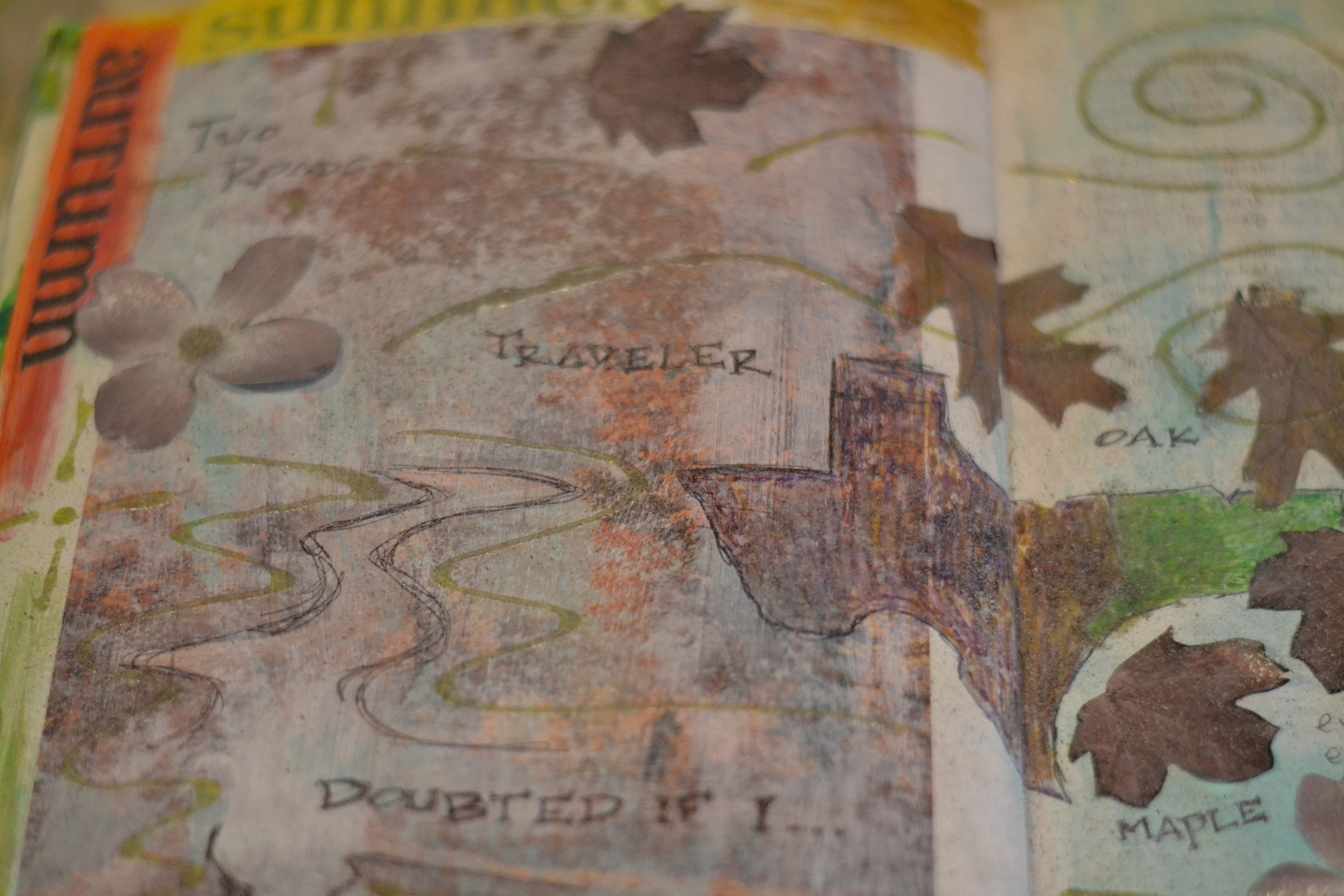
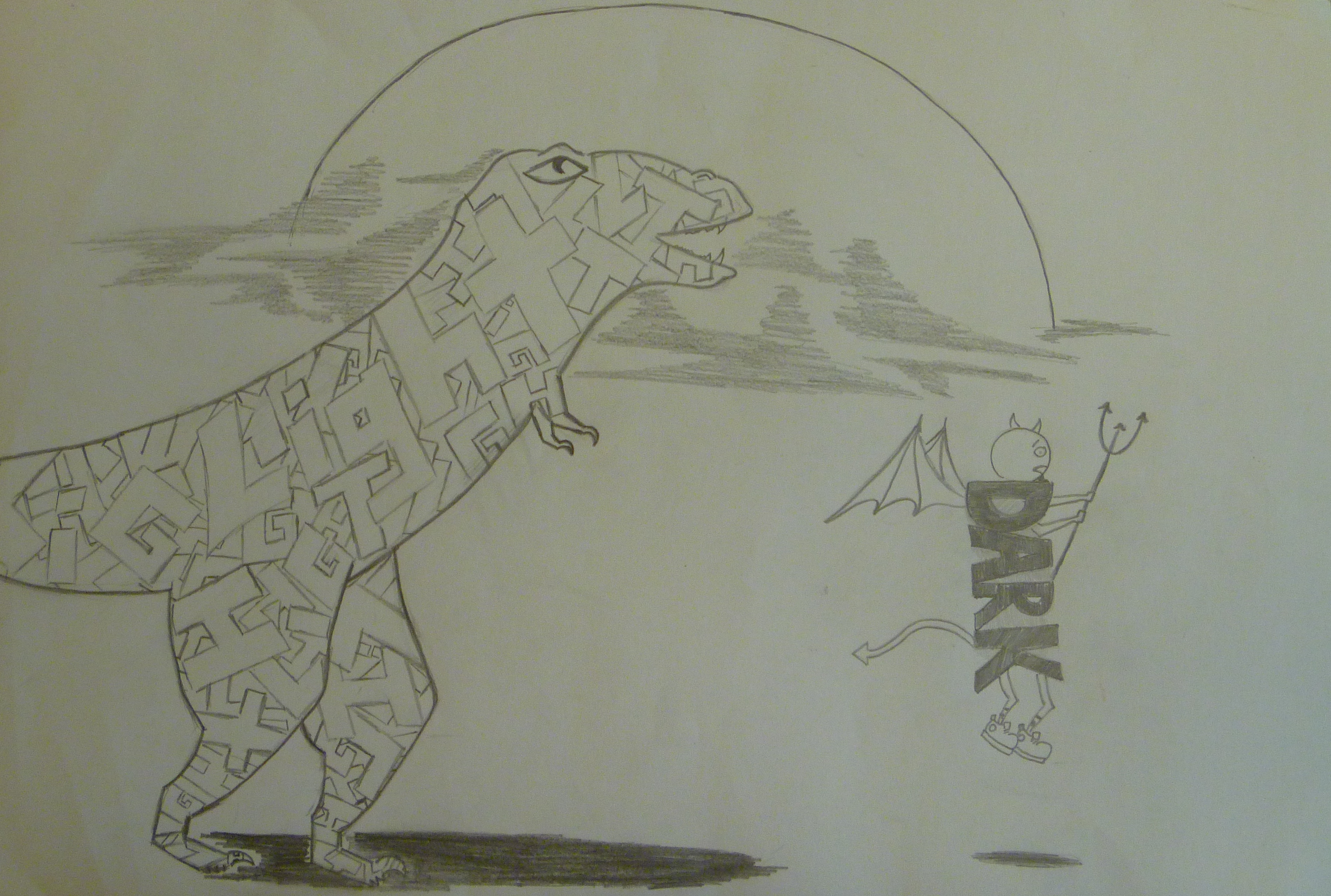
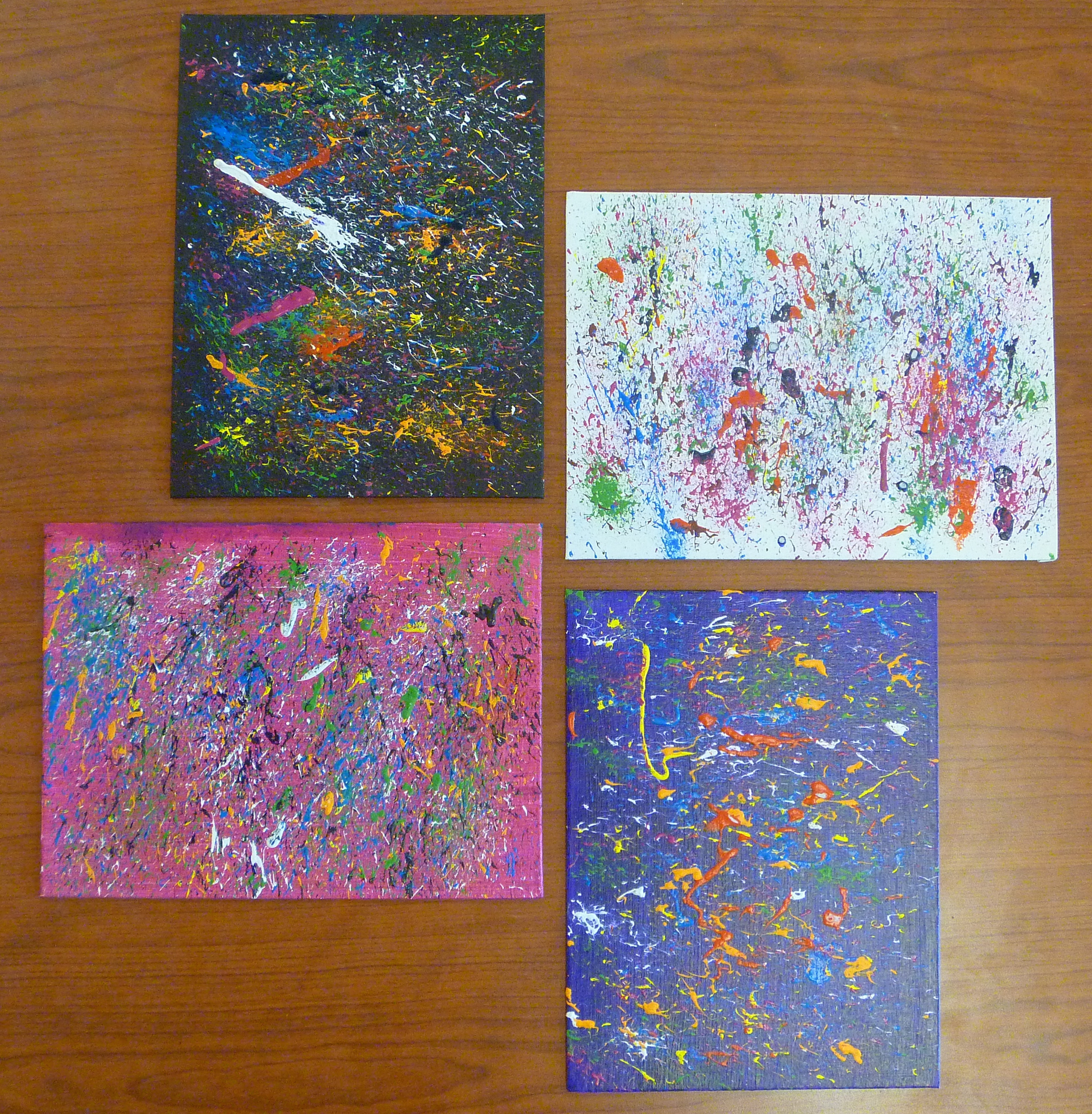
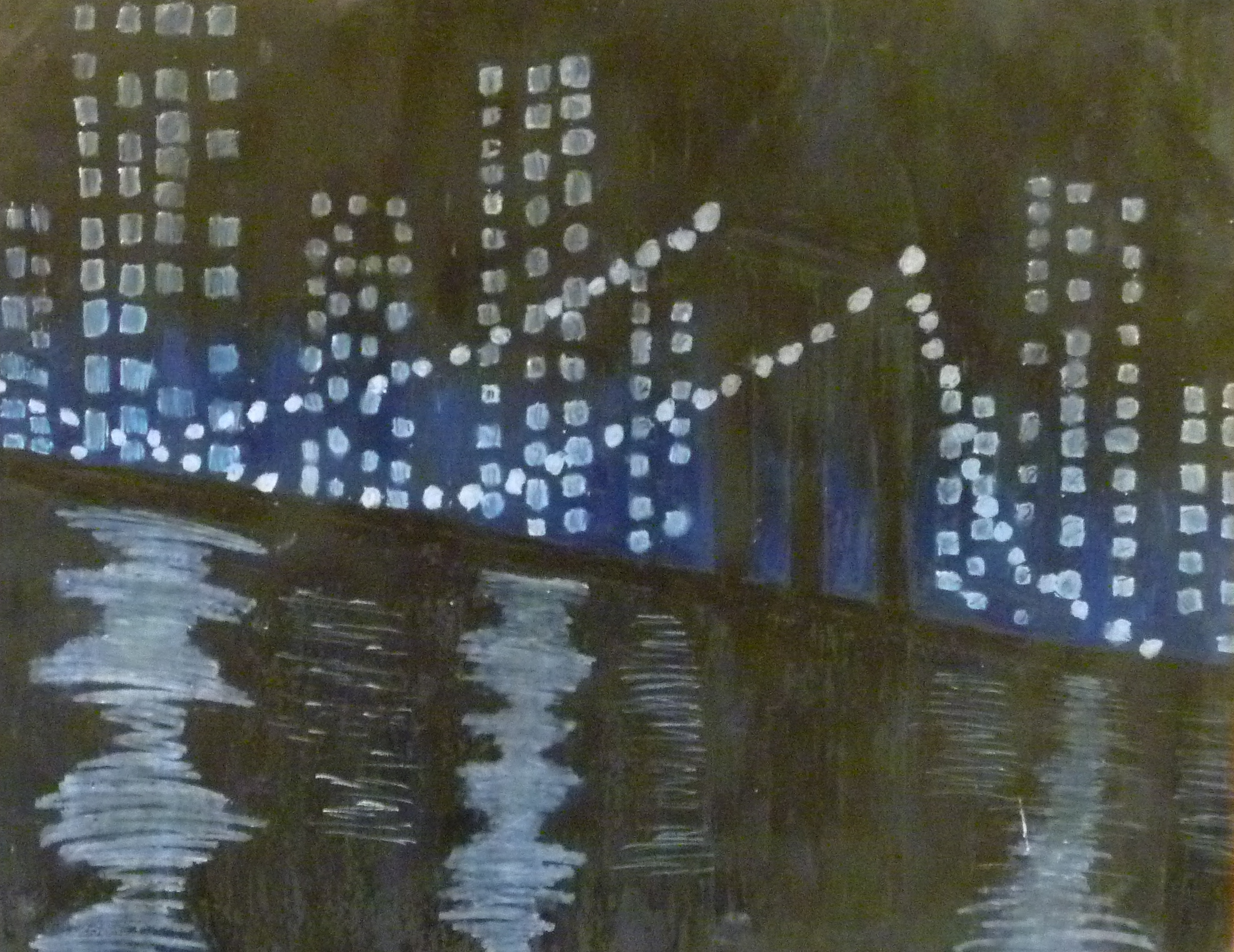
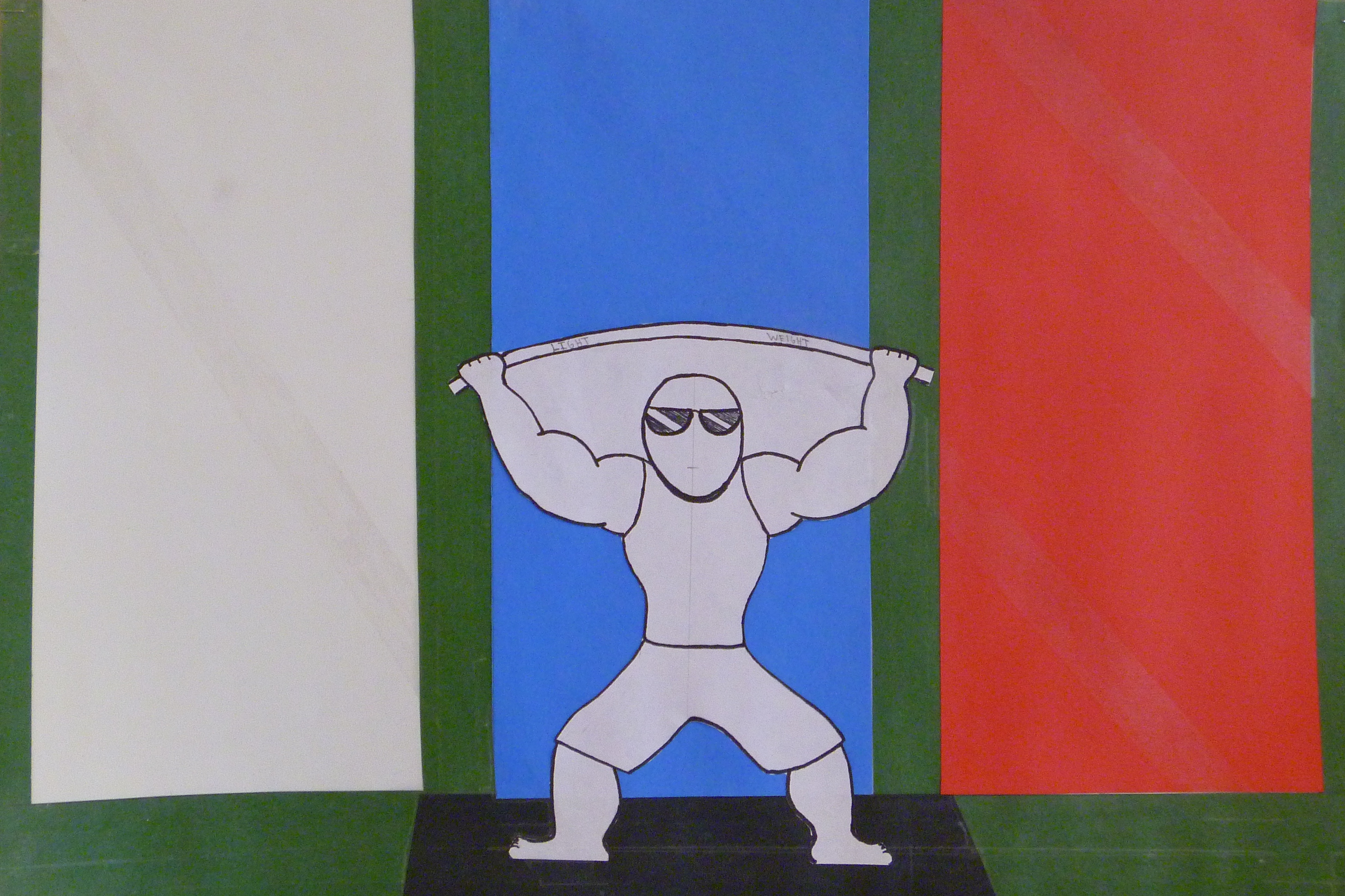
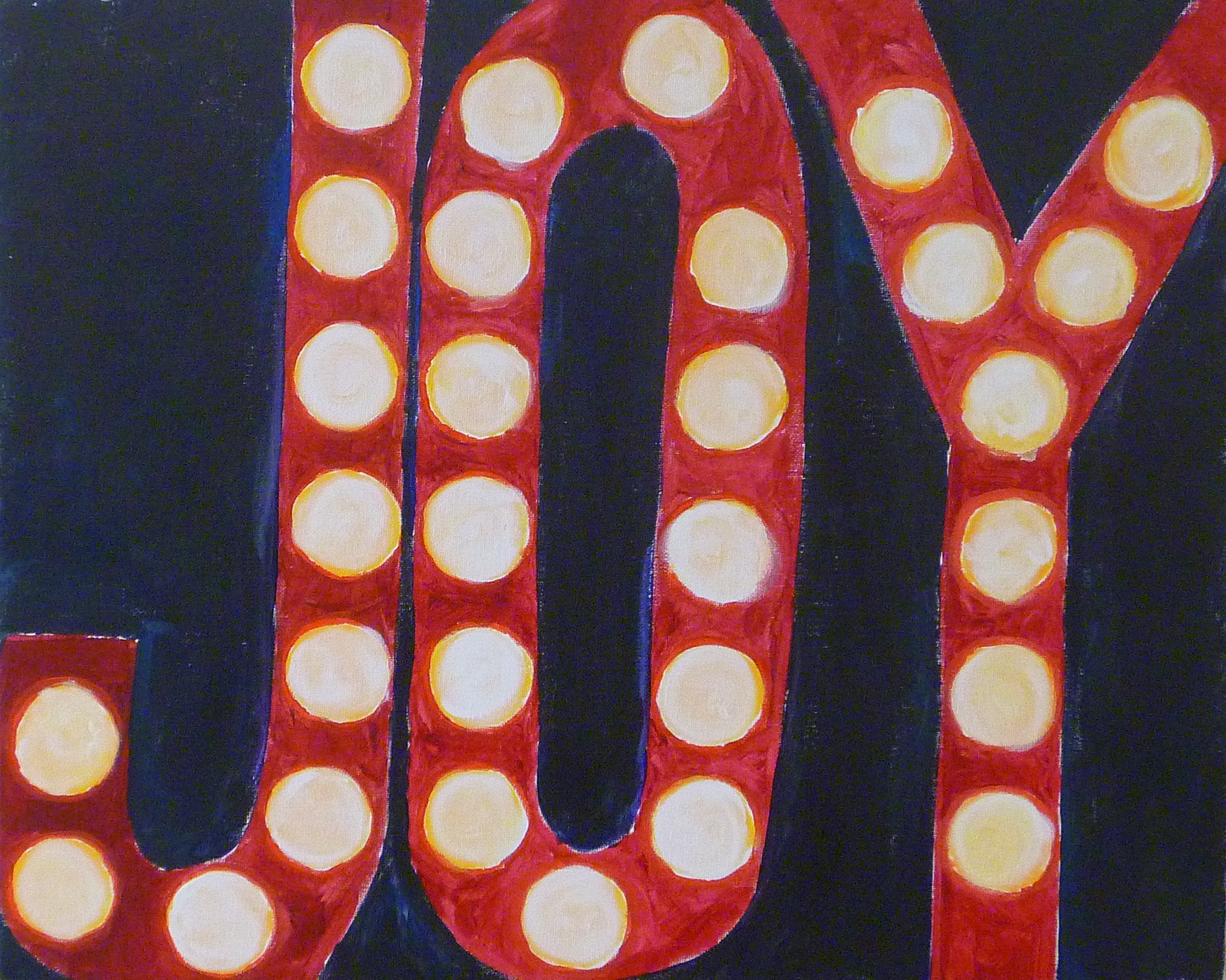
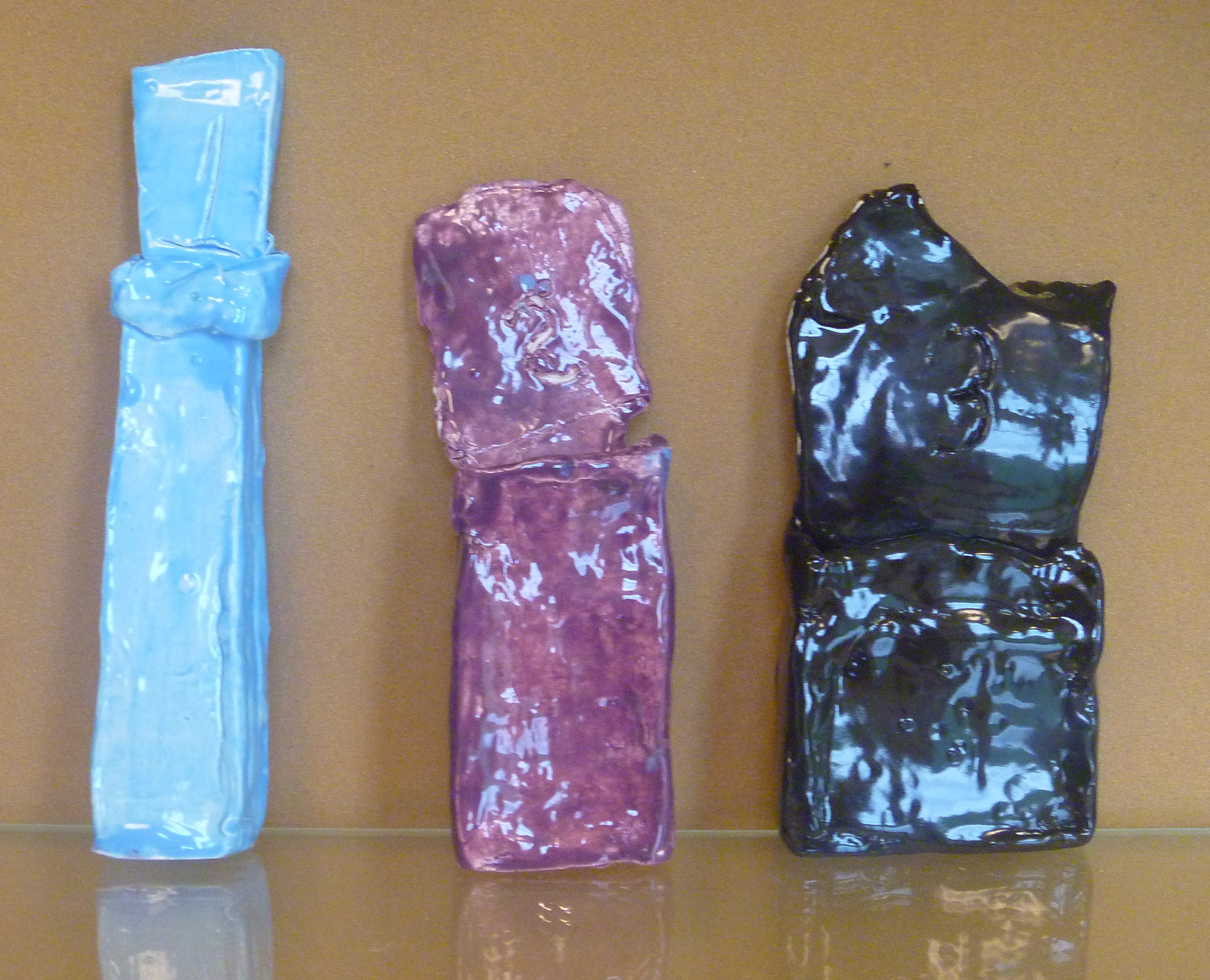
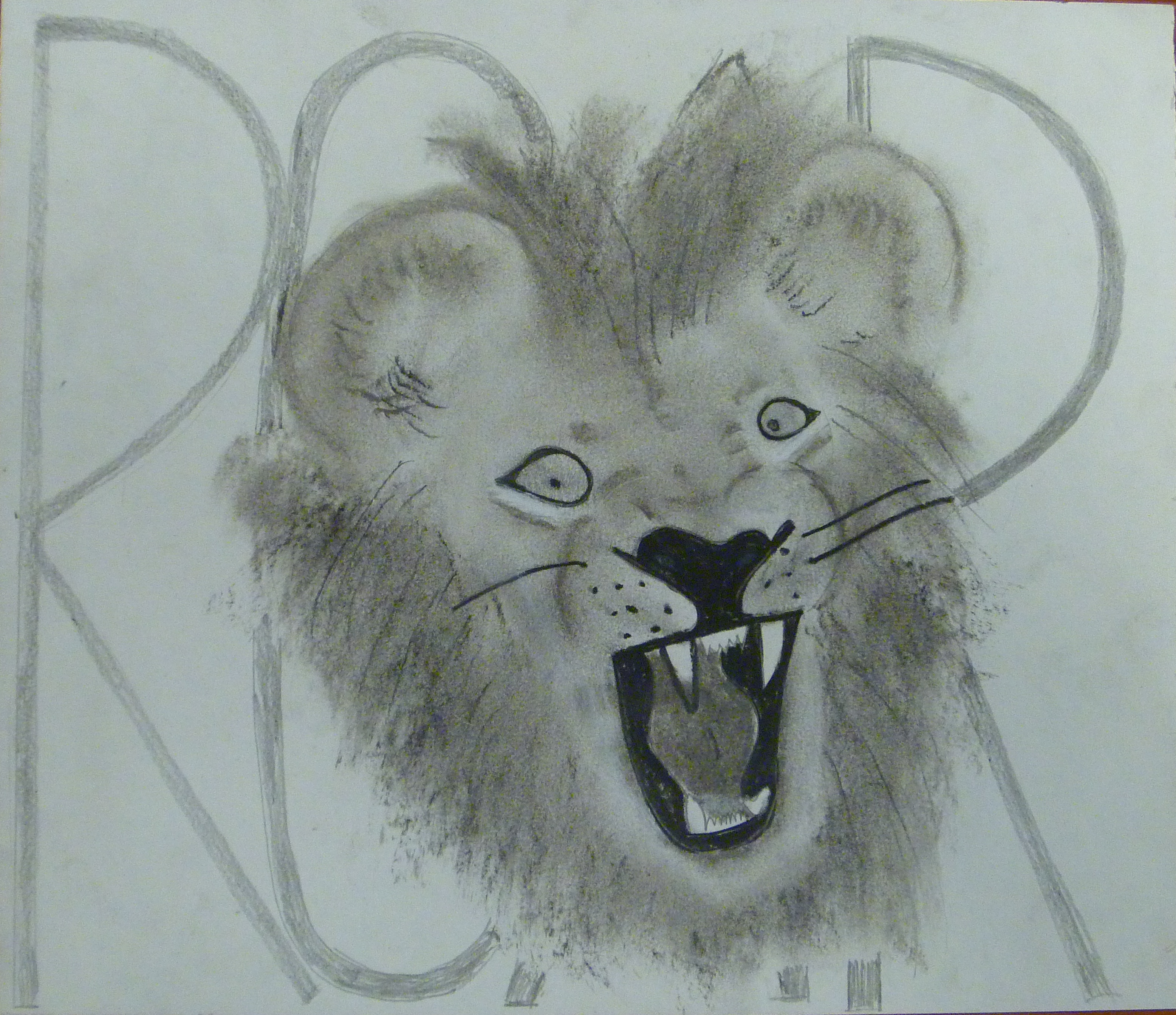
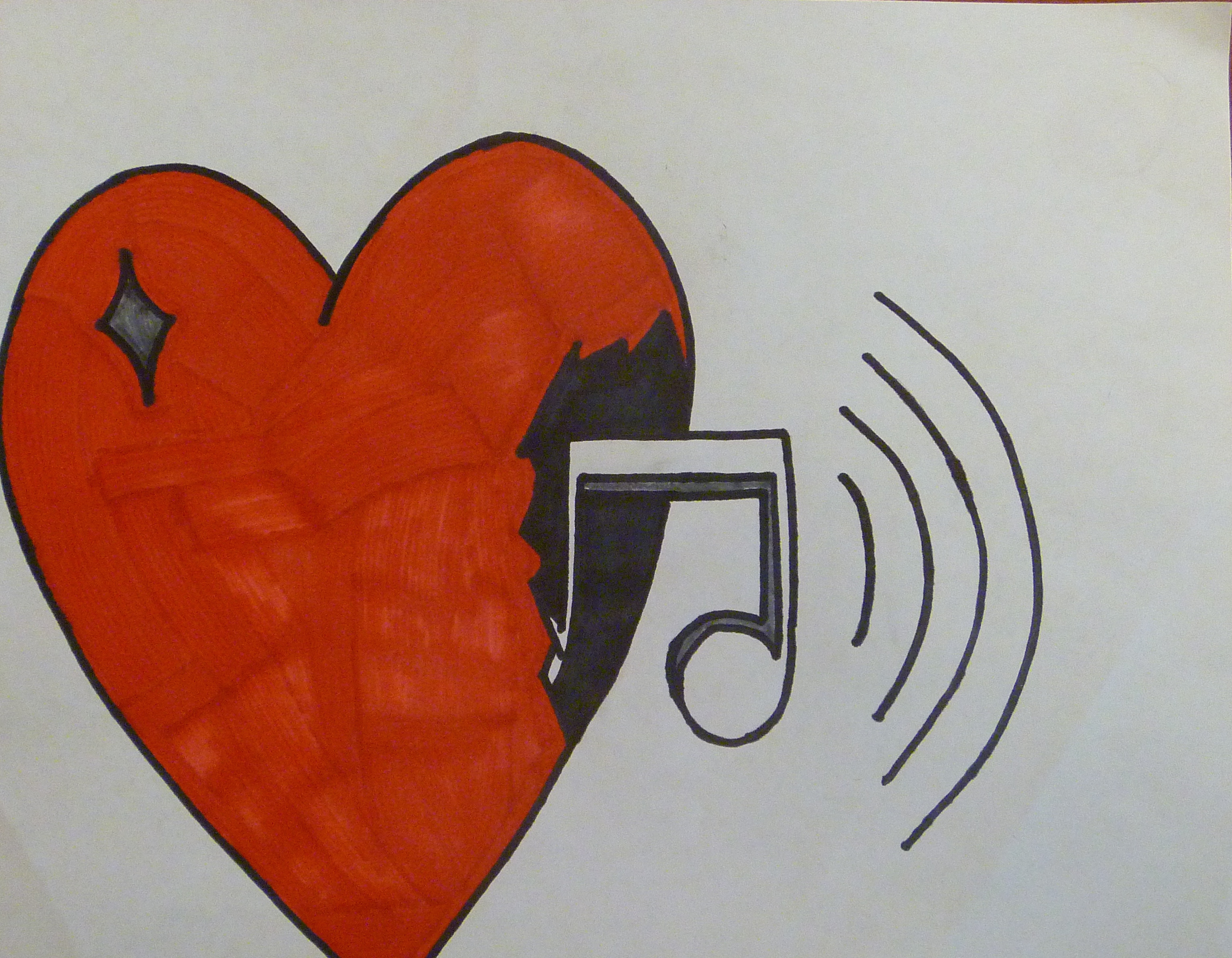
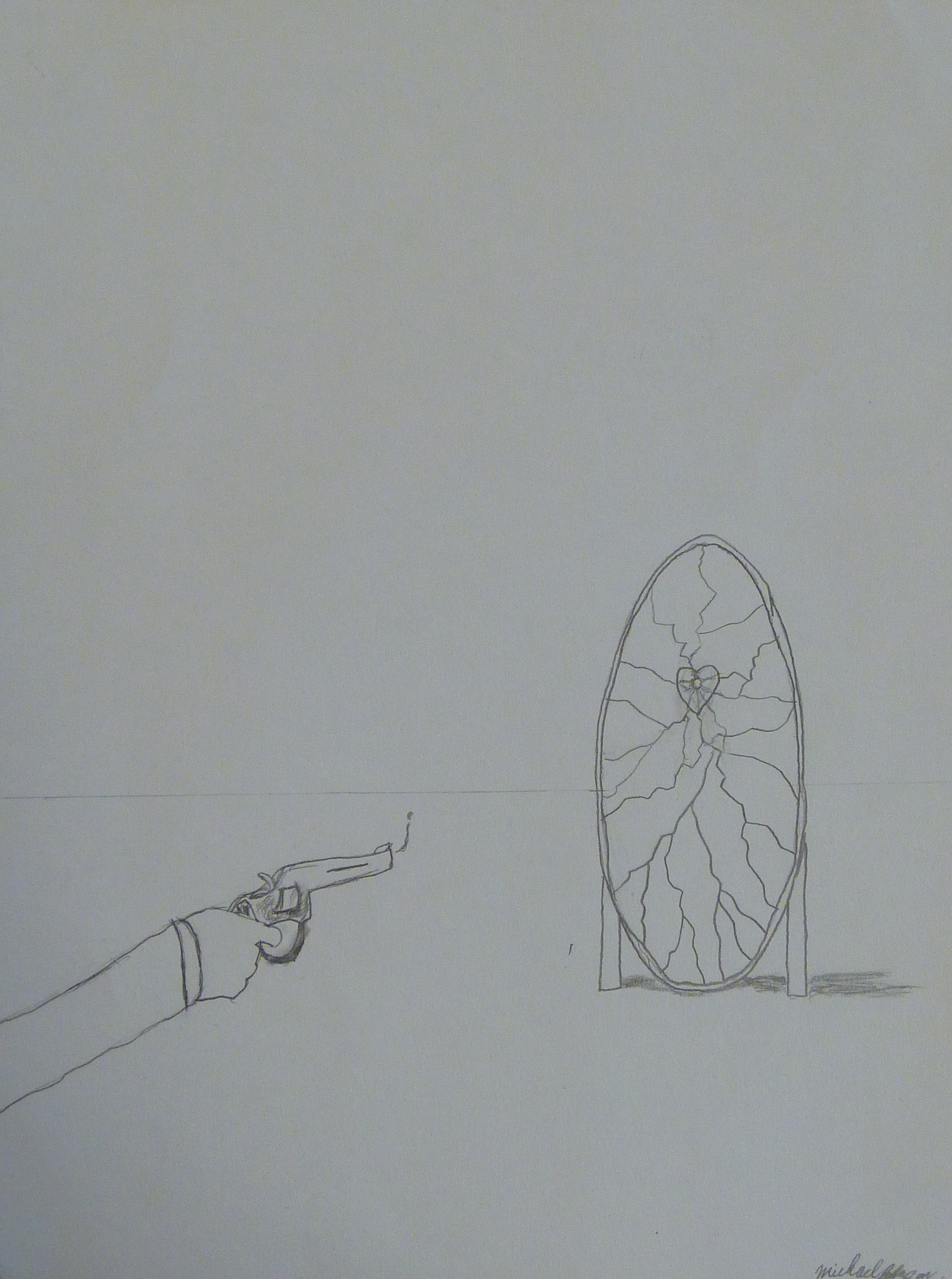
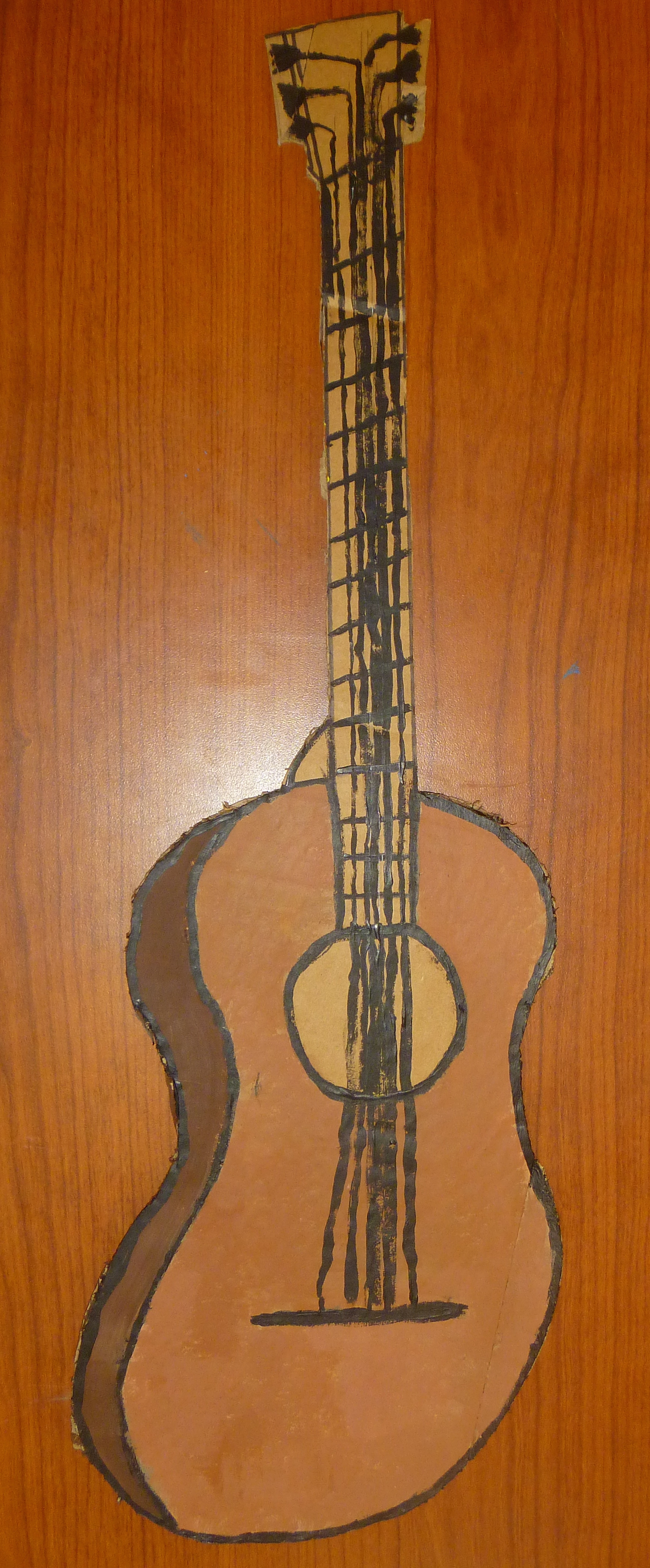
It took the better part of the year, but I think I have finally figured out my Art 2: Painting/Drawing class. Last year I ran art 2 the same way I did my Art 1. All of us were new to TAB, so, I felt the need to make art 2 different wasn’t necessary. But, this year, since I had some kids from Art 1 in my Art 2, I had to change it up. I started out with an altered books unit I had done for many years. It is basically a way to get students exploring using media in different ways. However, the kids were not exploring and were not really understanding the purpose of the book, but they did them anyway. In my gut, the class just felt off. I told the students this, and they kind of looked at me funny, but were willing to just go with it.
After about half-way through the second marking period (we run classes for a full year, broken up into 2 semesters consisting of 3 6-week (mostly) marking periods) the class and I “started over”. I stopped with the altered books and put them into the storage closet. We went back to what I knew worked–themes. Students were coming up with some great ideas. I thought things were finally on-track until I was talking to a student during our second theme and asked him how he was thinking of proceeding with his idea. I asked about media and paper type. He looked at me like I had 5 heads. Then I took a look around the room, and I began to think the class looked like it was a beginning class, not a class that had gone through a year of high school art already. Yes the students had good ideas, but the artistic process stopped there. There was no skill development, there was no risk taking, no reflection, no connections.
At this point, what does any good art teacher do? Do they just keep on keeping on? Or do they reflect on what is going on and change things to help better the learning and understanding? I chose the later. We would “start over” just one more time.
By this point, it was the end of the first semester. This gave me the much needed time to really reflect on what my students needed. It was at this point I was going to try a unit style that Ian Sands developed. It involves 3 parts: digging deeper, challenge, and create. (You can find examples of his units here.) I borrowed his unit, Artists Steal. The students were successful. I mean, there was still work to be done, but for the most part, the transition was a smart one. I could see them beginning to have a deeper understanding of things artists do and how they, artists, create their artwork. Many of the kids used what they created in the unit challenge for their artwork. I was impressed by the level of understanding of appropriation.

Sponge Bob
Next it was time to create my own unit. I followed the “formula” for the unit and I decided that our next unit would be “Artists Tell Stories”. I came up with a digging deeper section, a challenge and a create section. With this unit, I saw several of my students really looking at artwork and finding out the story behind it or reading the story it was telling. They were also providing an excellent reflection on the video they chose to watch. Link Link Link
They say third times a charm, and they were right. I am glad that I went with my gut and stopped and started things over twice with my students. I can really see the growth taking place now and I can see their work having deeper thought and deeper meaning. Is this by any means perfect? Of course not. It is a work in progress. They know that. If it were, we would have done our current unit (Artists Represent), and the next two (Artists Abstract and Artists Are Non-Representational) first. But, hindsight and all.
I’ve got a couple of things to change on the structure of the units…like removing the option to create a pinboard of artwork. I found this isn’t lending itself to any deeper understanding. And, I need to work in more skills bootcamps, but that will come. Right now, as much as I want this particular group of students to explore different ways of art making, all but 1 or 2 don’t really want to, I think right now that momentum they’ve got going with exploring things artists do is more important than interrupting them to explore painting or printmaking or something like that. It’s all about choices and finding the right balance in the class. And with one and a half marking periods left, I feel I have made the right decision for both them and myself…..but mostly them.
I always say that my TAB classroom is a living entity that ebbs and flows with the needs of the students. My art 2 class this year proves that. If you are feeling a class is off, or they need something they aren’t getting at the moment, stop and reset. It is okay. It can only help. Be transparent about what you are doing; your students will understand. Mine did. And remember, it’s all for them.


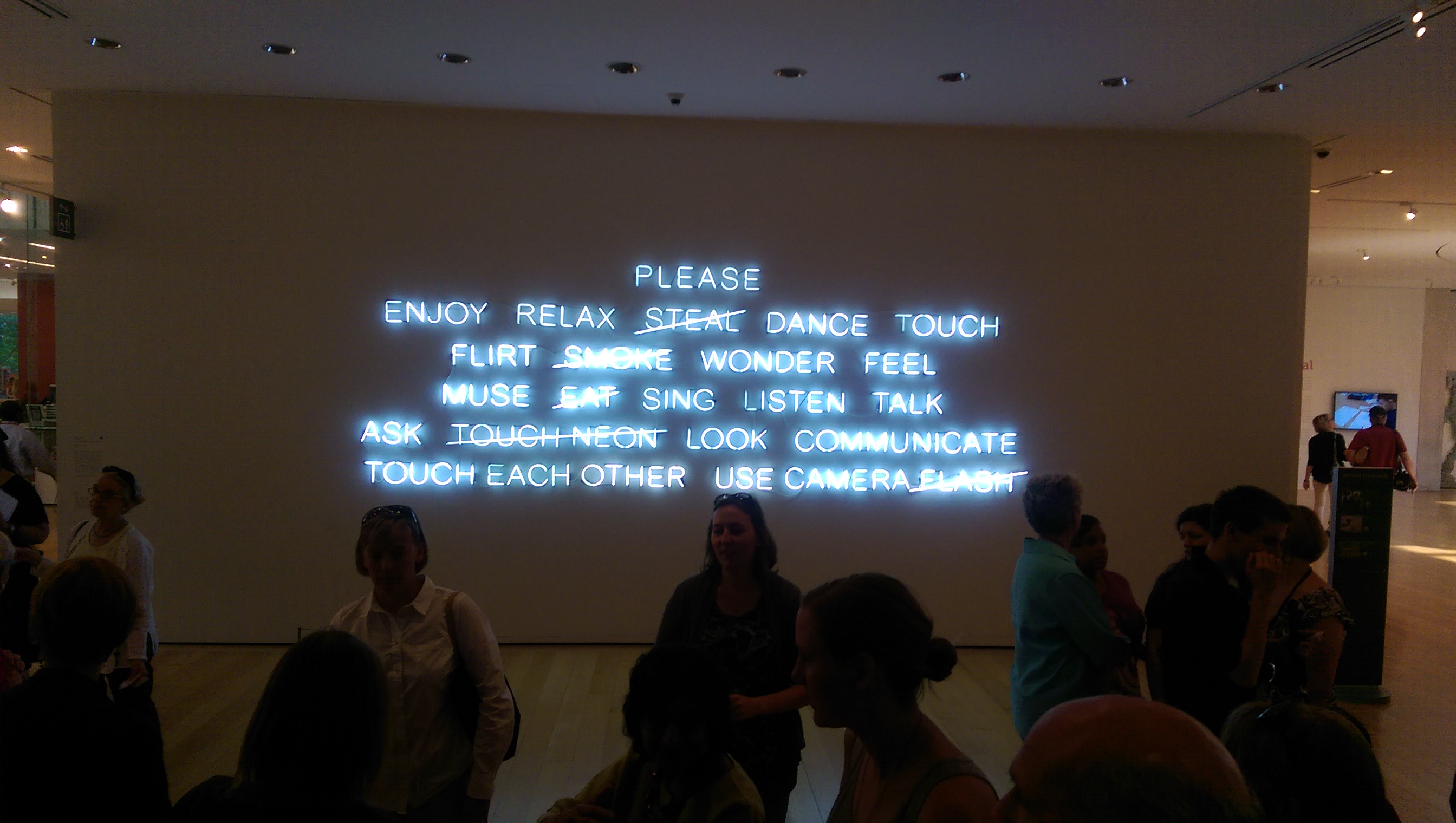







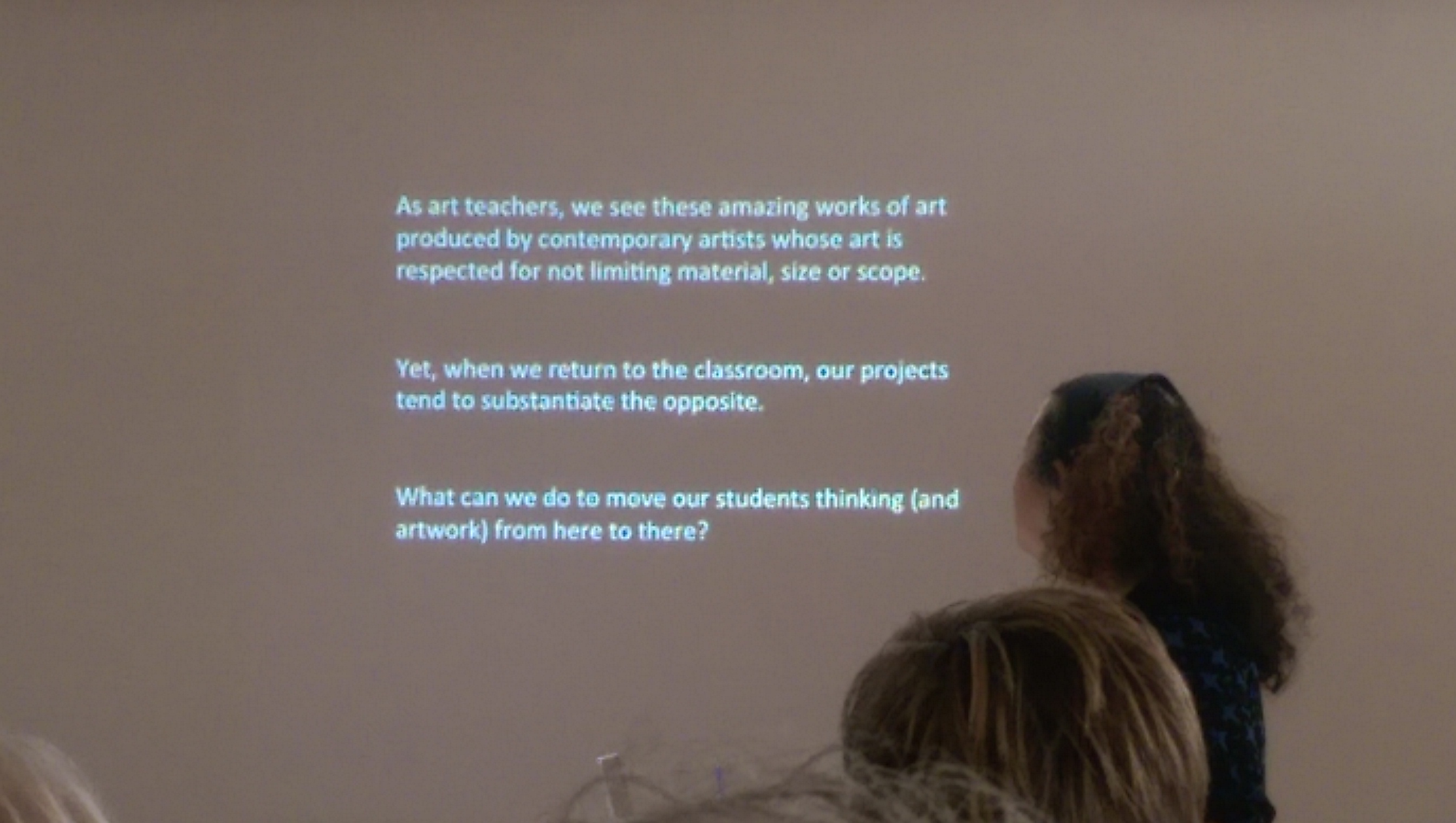


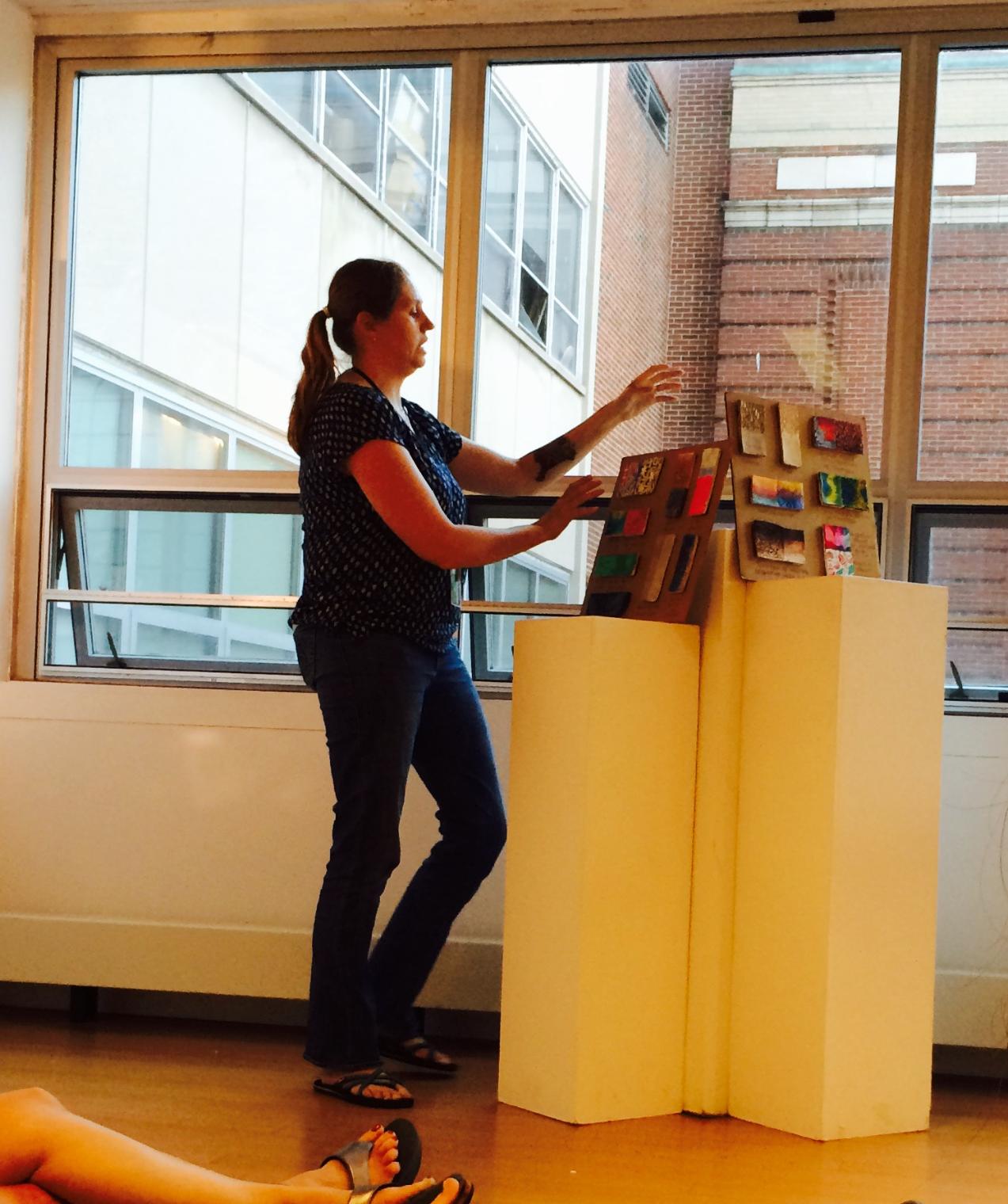


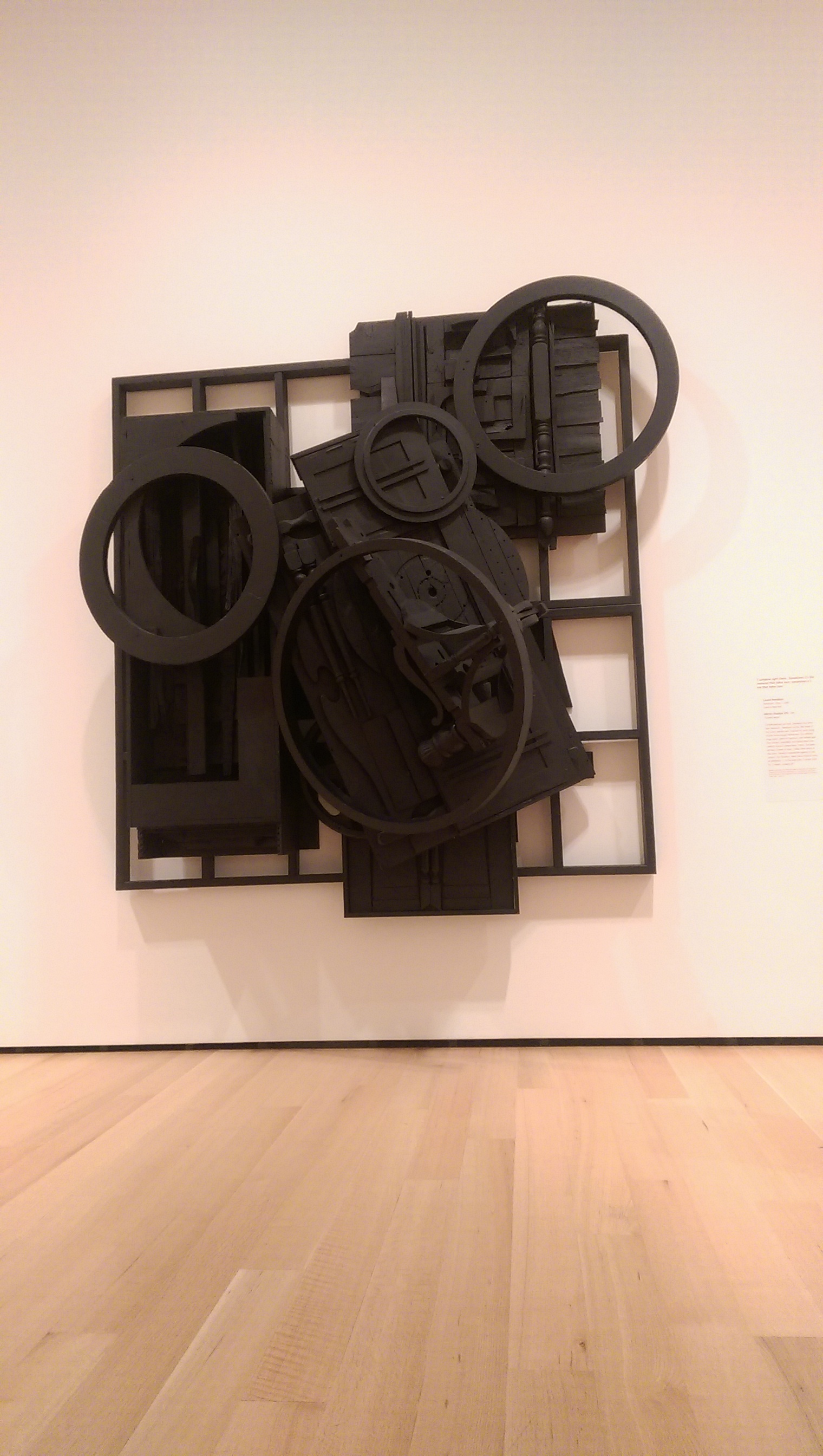


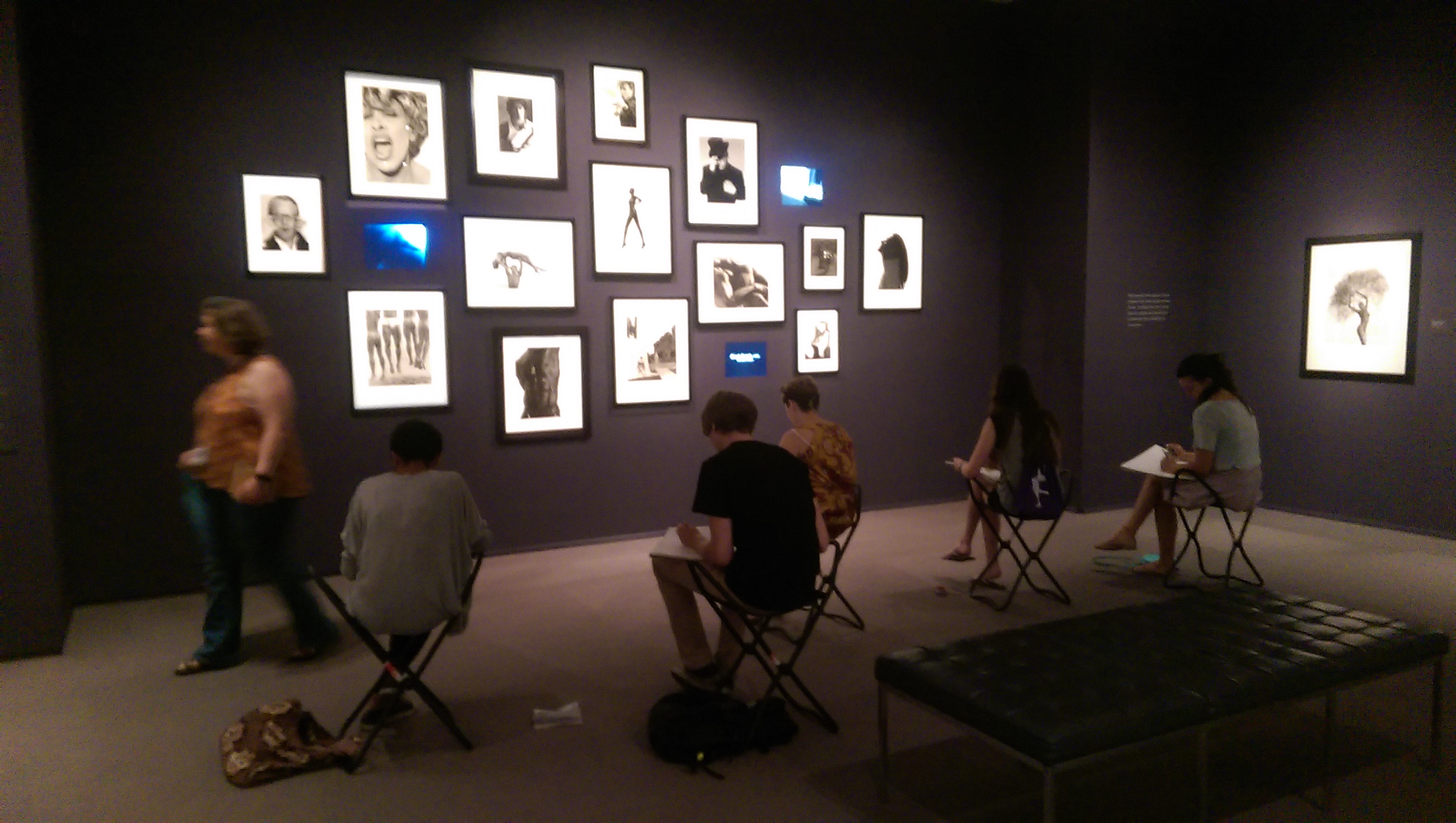
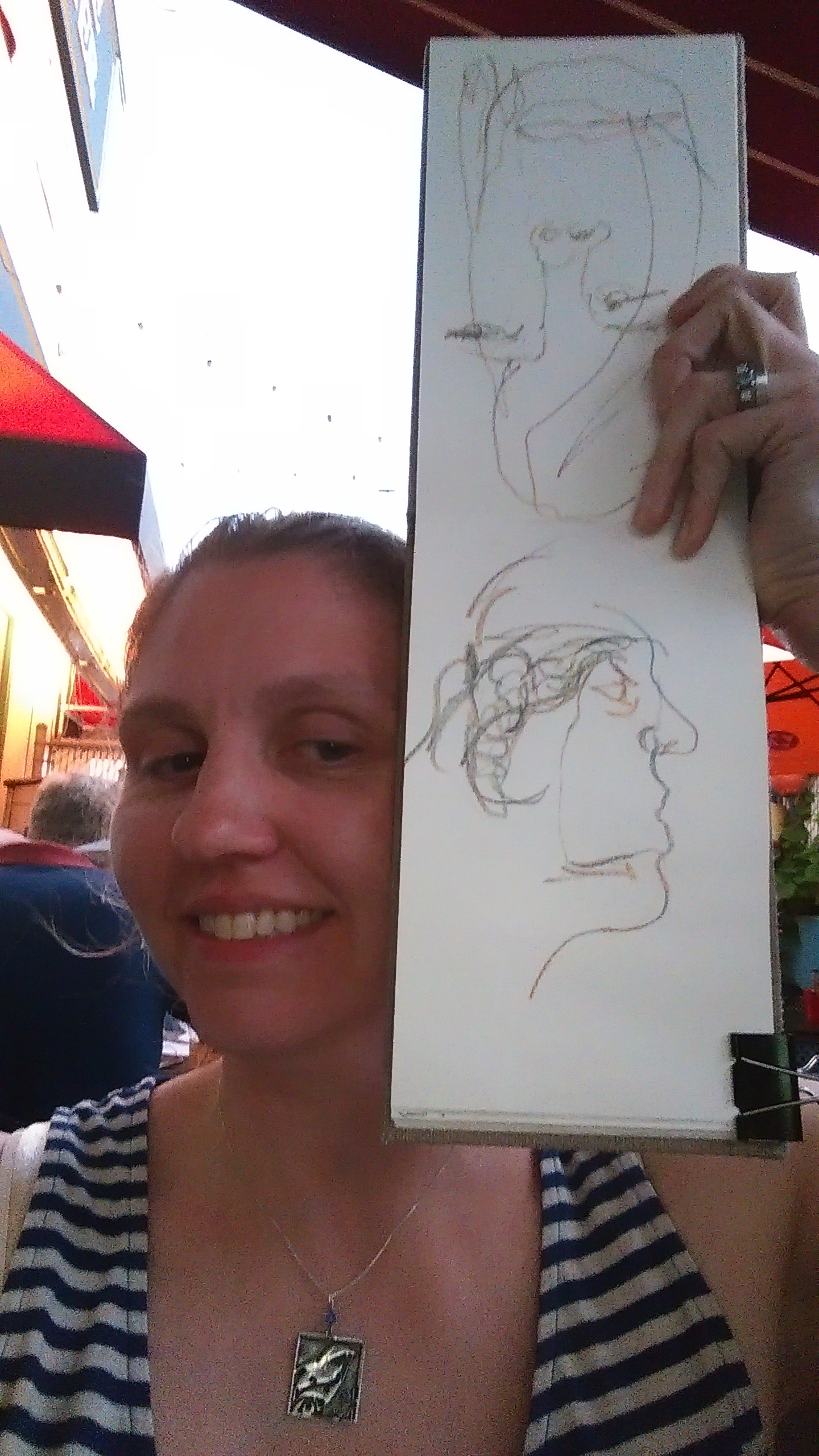
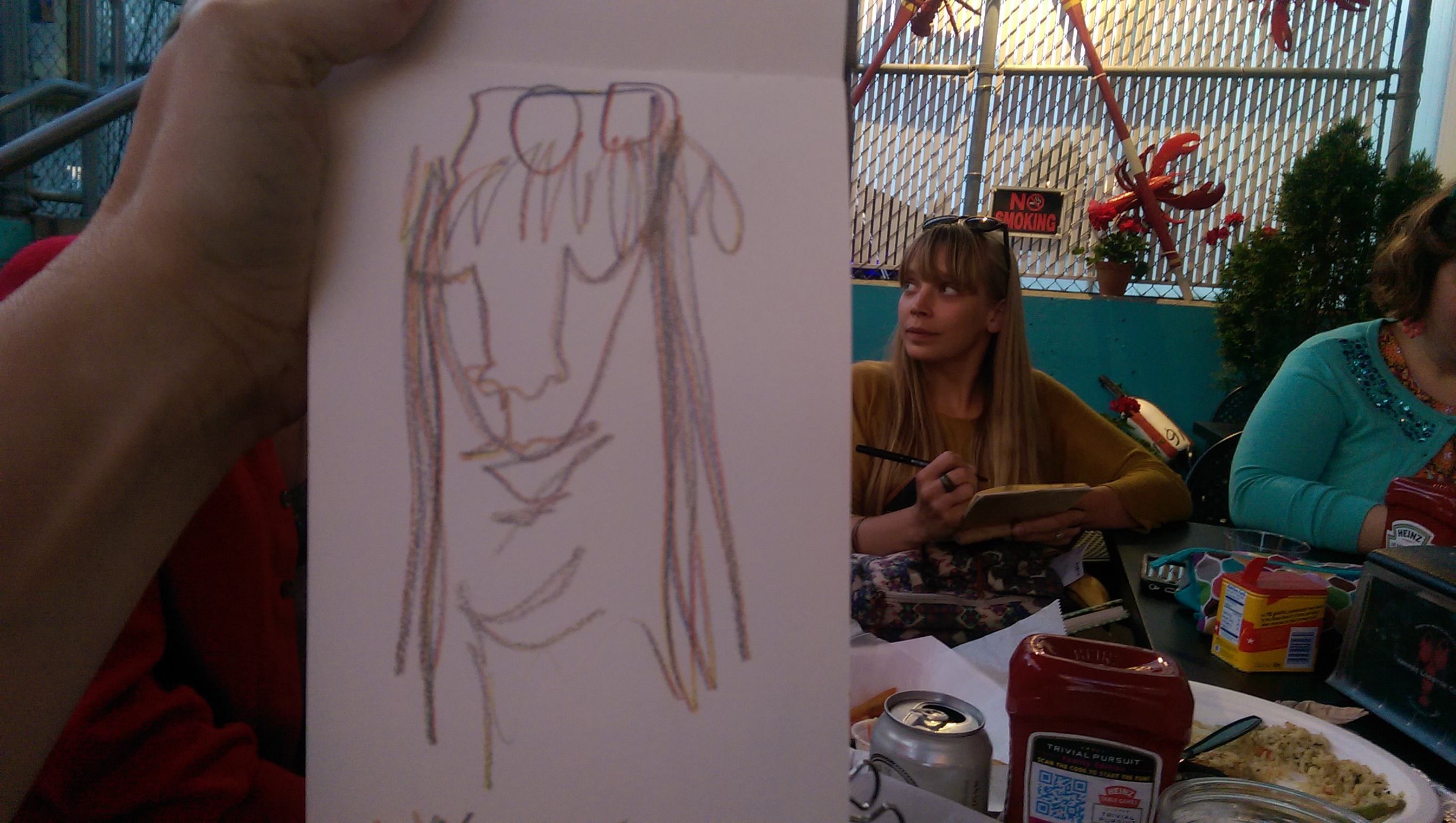


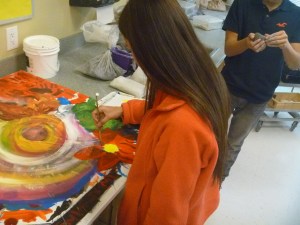 Kids worked through artwork until they were satisfied…at times starting a new piece because it just wasn’t working. This just amazed me. I’ve had kids work hard on things before, but never with the fervor I’ve seen this year. They pushed themselves. And it paid off.
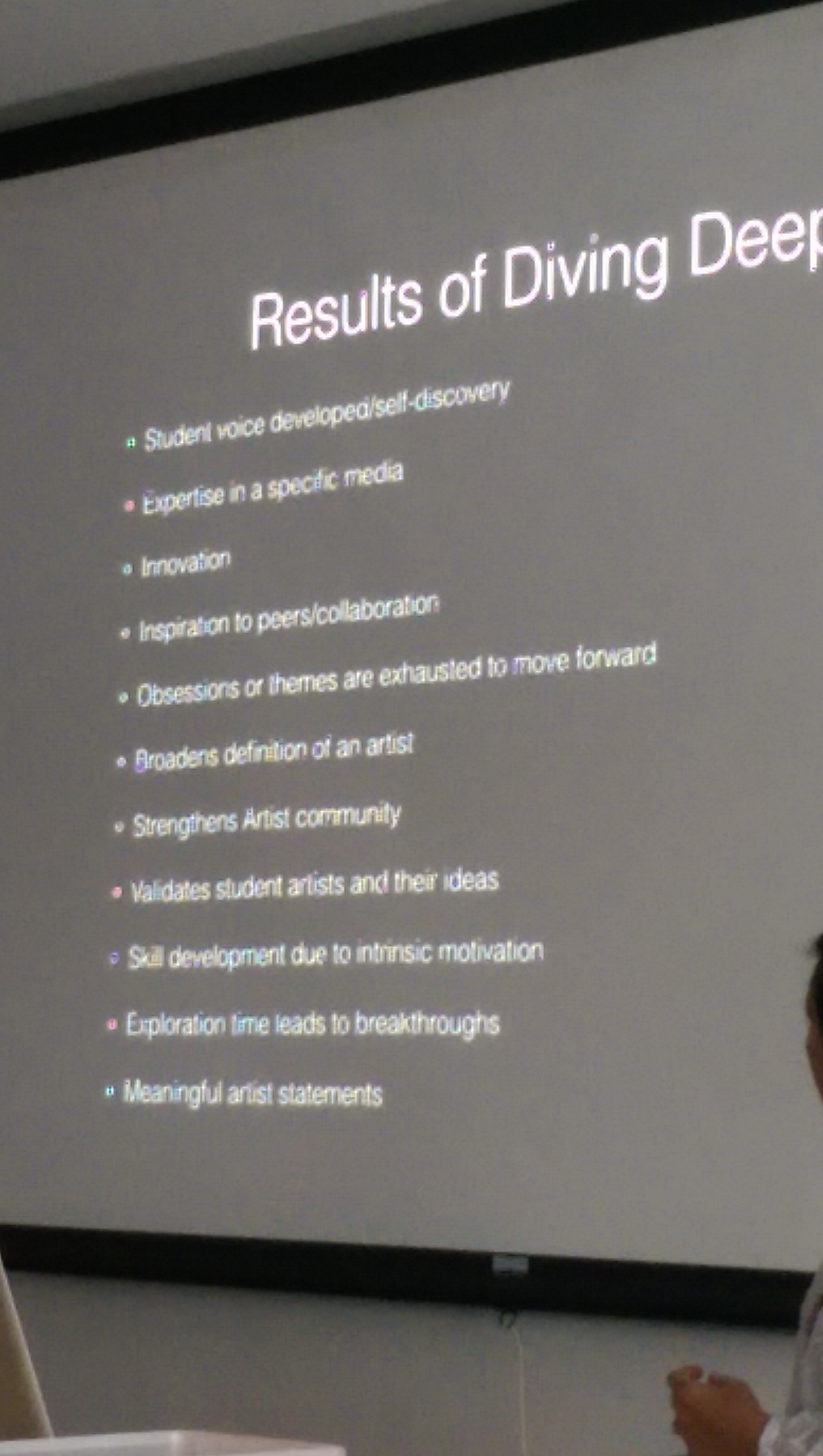
 is stems from a combination of reading their blog posts and the type of conversations I was able to have with my students. Because I wasn’t focused on them creating a certain thing or following a specific rubric, I was able to go deeper with them into their work and their lives.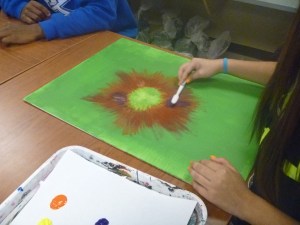
 they were moving along and understanding things. So, we moved to artist statements after winter break. Nope. Most students weren’t there yet. I then gave them the option to either do an artist statement or pick 2 behaviors like we did previously. After reading their end of year surveys, I know they didn’t really see the point of them. A handful of students did (and by handful I mean like 5), but the majority couldn’t see the point of writing in art and thought it was just busy work or for a grade. This is good to know. I know my student population has an issue with writing, and I am sure that our state testing is partially to blame. They are not good at writing, sad to say. But, what I gleam from all this is that I need to help them to see that artists write about what they do. That reflecting on the actions they are doing can help them grow as an artist. And, that writing is not just for English and History class.
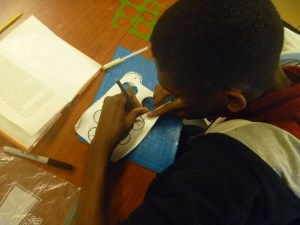 ut there–both in image, media, and technique. How do I get them to see beyond the typical art room materials? How can I encourage them to try something new? How can I get them to go deeper and think further beyond the obvious? I need to address my line of questioning, the way images get shown to them for inspiration, and helping them to make more dynamic composition decisions.
 ut TAB and choice and the pedagogy. He thought it was wonderful and that it aligned with something that was talked about at some principals/superintendents conference. That made me happy and feel that I was doing the right thing. And, surprisingly, when I said my final good-bye to our current principal, he said something I never thought he would. We didn’t always see eye to eye, and sometimes I thought he just didn’t notice and didn’t understand. But, he told me to keep doing what I was doing. To keep my expectations high and keep pushing the students. He said that that is what they will remember and what they will appreciate.