Category Archives: TAB

Day to Day in My TAB Classroom

Standard

DSC_0154

A post on my art teacher’s fb page asking about how a TAB classroom works at the high school level got me to searching my blog for a post on how I do it.  I found numerous posts on why I do it, the themes we have used, and organization of my room.  While those are very helpful, they don’t really talk about how my classroom is run–the day to day.

I have said in the past that my classroom is a living entity, and that is as true today as it was when I wrote about it; and it will be true tomorrow and for years to come.  I have to ebb and flow with the needs and wants of my students.  Otherwise, I am taking away something important from the students and not living up to the pedagogy I believe in.
The basics of running my classroom include: introduction of theme, brainstorming, inspiration, demos, time to plan and work, due date, reflection.

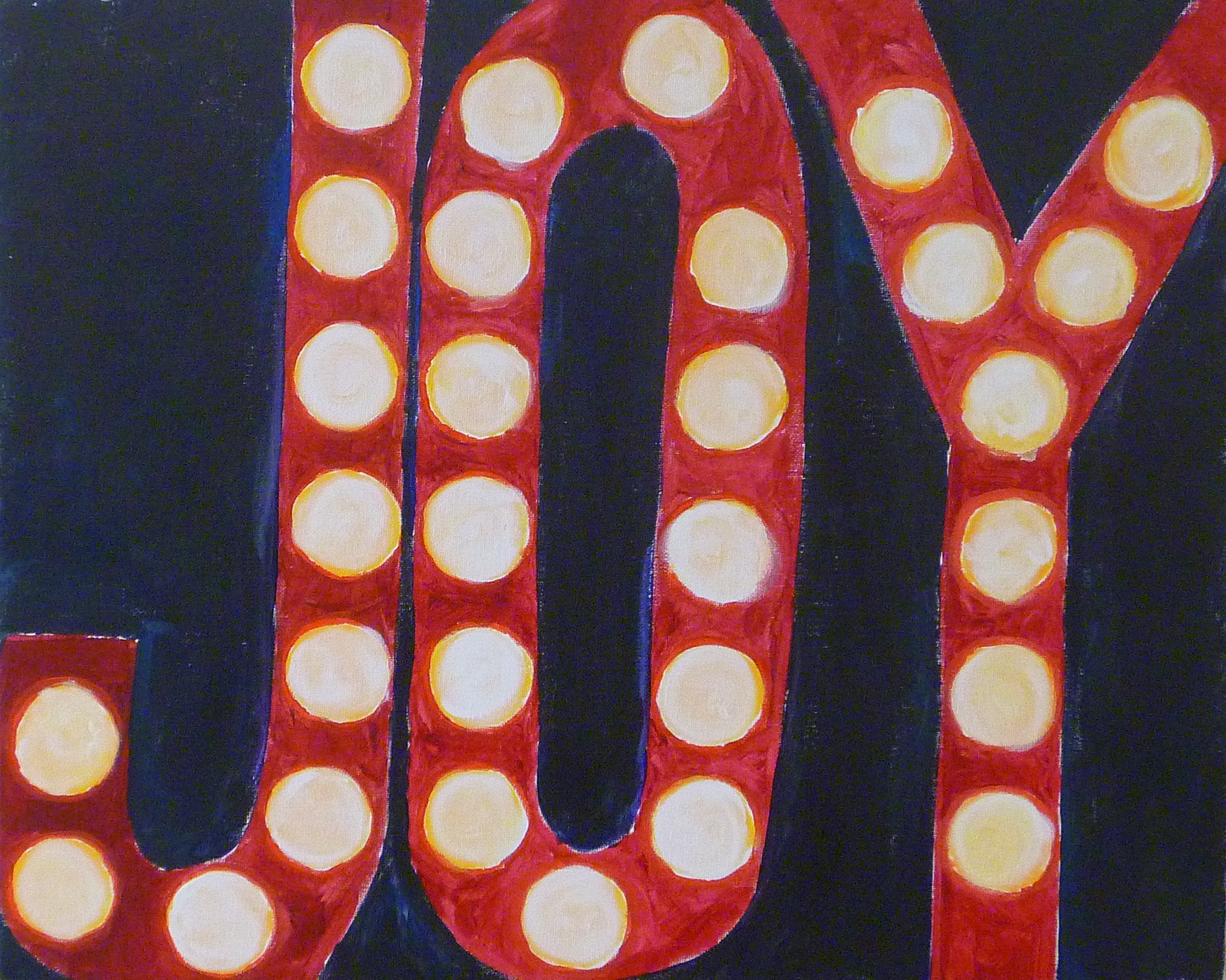
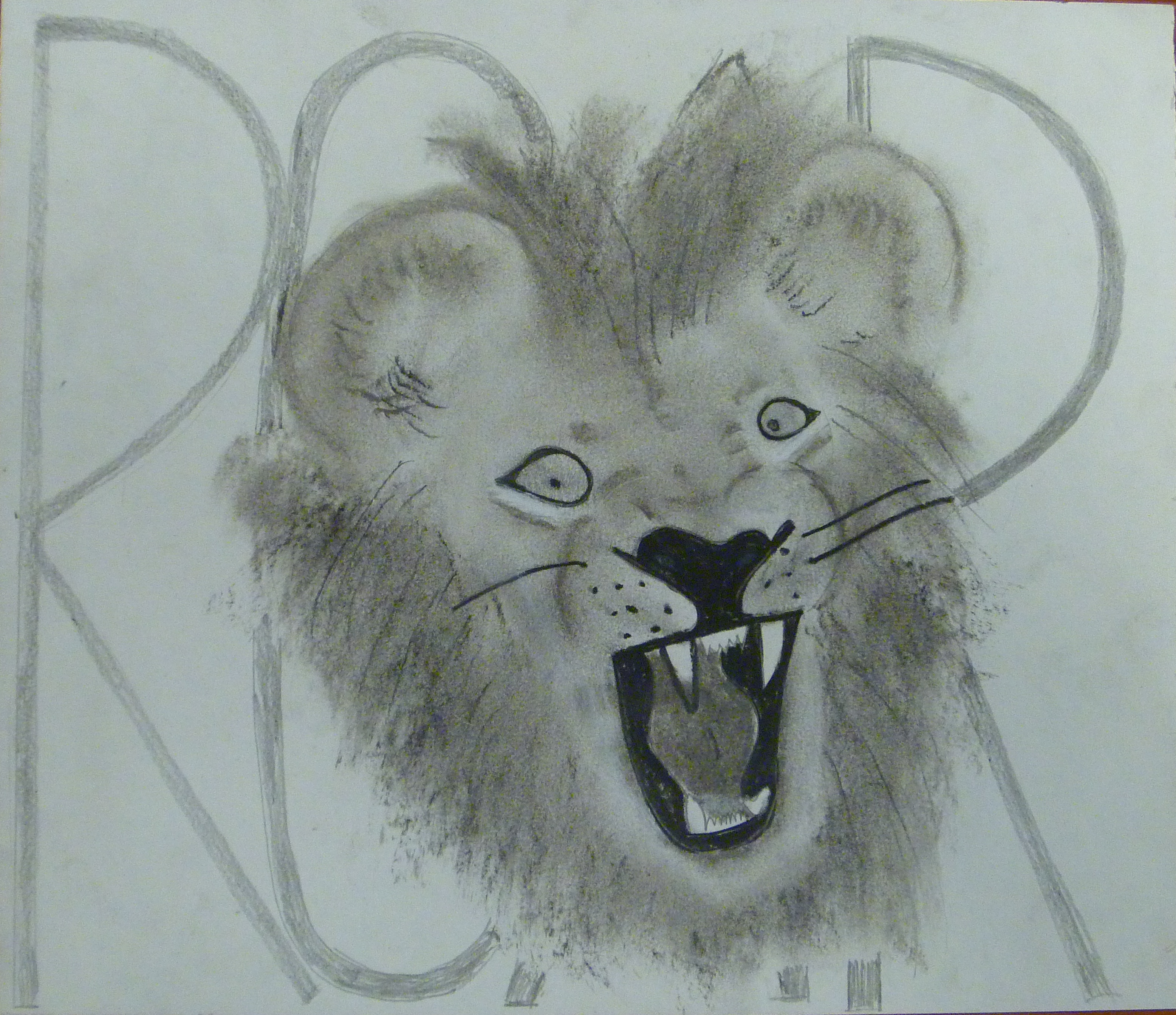
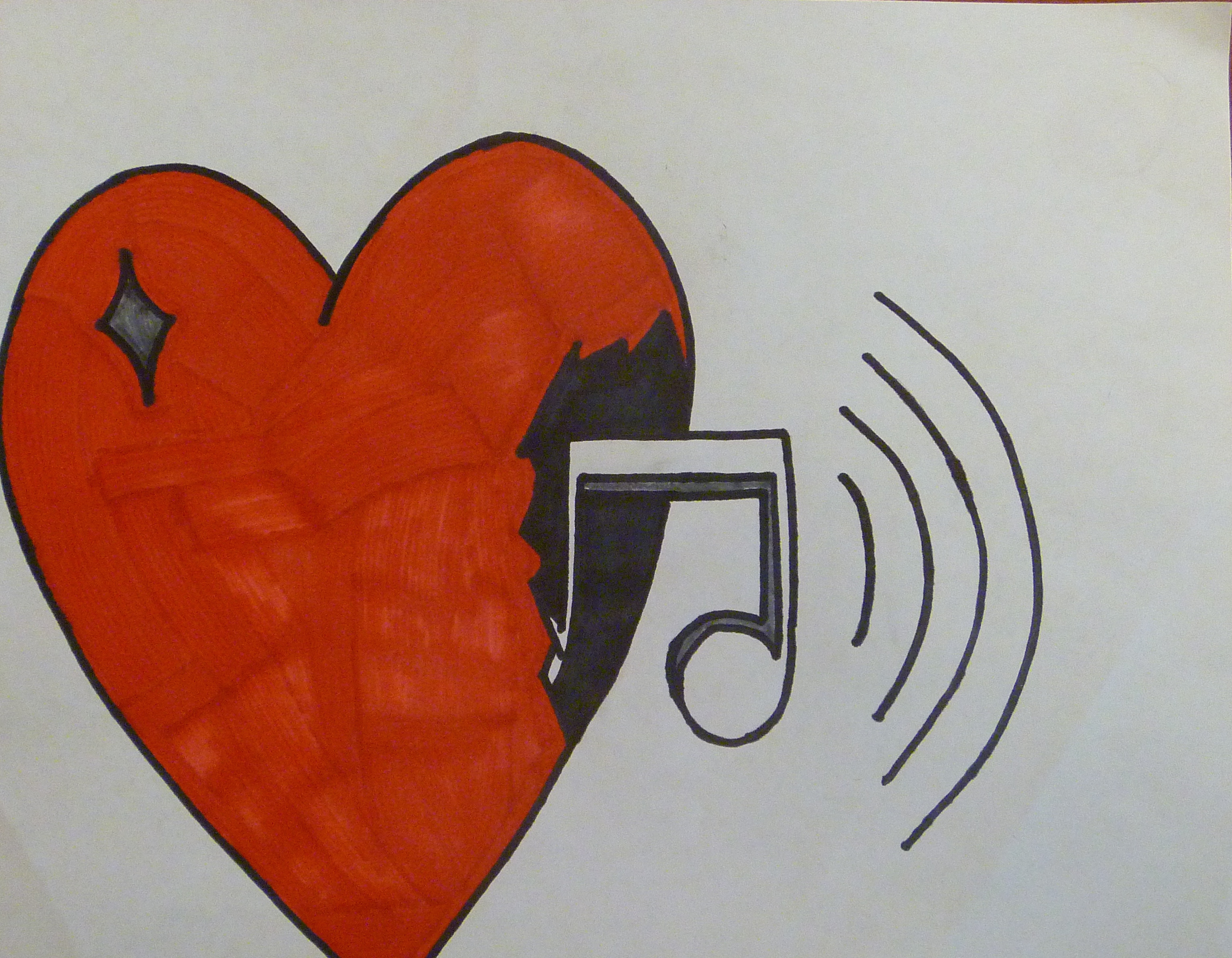
  • INTRODUCTION OF THEME:  This is just that…I tell the students the theme.  At the start of a unit, I turn to the kids and tell them the theme. simple. easy.  Themes we have used this year include:  man/machine, interior/exterior, power, pressure, home, environment, light, sound, surrealism, self-portraits.
  • BRAINSTORMING: A few of our themes have not needed brainstorming–like self-portraits.  But, for the most part, we brainstorm as a class.  We are a 1:1 school with MacBooks, so I have the students use a program called Padlet to help them develop ideas.  This helps in several ways…it allows for multiple points of views, it helps to give a voice to those who are shy, and I can link the brainstorm board for those that need to go back and review.
  • INSPIRATION: Currently I am helping my students get some inspiration.  Many of my students haven’t been exposed to much art, so thinking outside of the box is often difficult for them.  I like to help them see what could be possible within a certain theme.  I create pinboards with a myriad of examples for my students.  I hope in the future to change this by having my students find the inspiration and creating the pinboards.  I’m just not there yet.
  • DEMOS: Part of running the TAB classroom includes giving short demos on various materials, tools, techniques for the students.  When I introduce something new, I do a quick 5-8 minute demo and I record it.  I took a page from Apex High School and created my own media portal.  I post all the videos here so students can go back and reference if they were sick or if they need a refresher.
  • TIME TO PLAN AND WORK: The majority of time spent in my classroom is dedicated to this.  At the moment, I don’t require students to plan by sketching or the like because it is not something I always do.  Some students plan on their own, while others don’t.  I am seeing that the reason for this is that they don’t know how.  This is something I am working on and planning on adding in the future (as soon as I figure out how…).  Many of my students experiment as they go, working through ideas and finding solutions–just like many artists do.
  • DUE DATE: I’m going to be honest here, I like having due dates.  I think they are important.  They help to keep my students with wandering minds on-task.  They are important for future endeavors.  I think it is something they have to learn.  I use a soft due date and a hard due date.  There is a week between the two due dates.  Basically, the day after the soft due date I introduce the next theme and we brainstorm.  During that week, those that have finished with the current theme can move on and start planning/working on the new theme; those that need a few more days can finish up working while thinking about what they want to do on the new theme.  I have found the soft/hard due date works for my student population, and it helps keep me in compliance with a few district/campus policies.
  • REFLECTIONS: During the first semester, each student created a website using Weebly.com.  As a class, we talked about 8 different behaviors that artists have.  Every 2-3 weeks, the students chose 2 behaviors and wrote about how they were or weren’t showing that behavior.  It didn’t matter where they were in the process of an artwork.  It was helpful for them to see that the processes they were going through were what was changing them into artists.  When the second semester started, I introduced the artist statement, and the students reflected at the end of each unit, writing an artist statement about what they just created.  I realized that many were not ready to move on to this and were producing better reflections about themselves and their work talking about the behaviors.  I give them a choice at the end of the unit about how they want to reflect now.

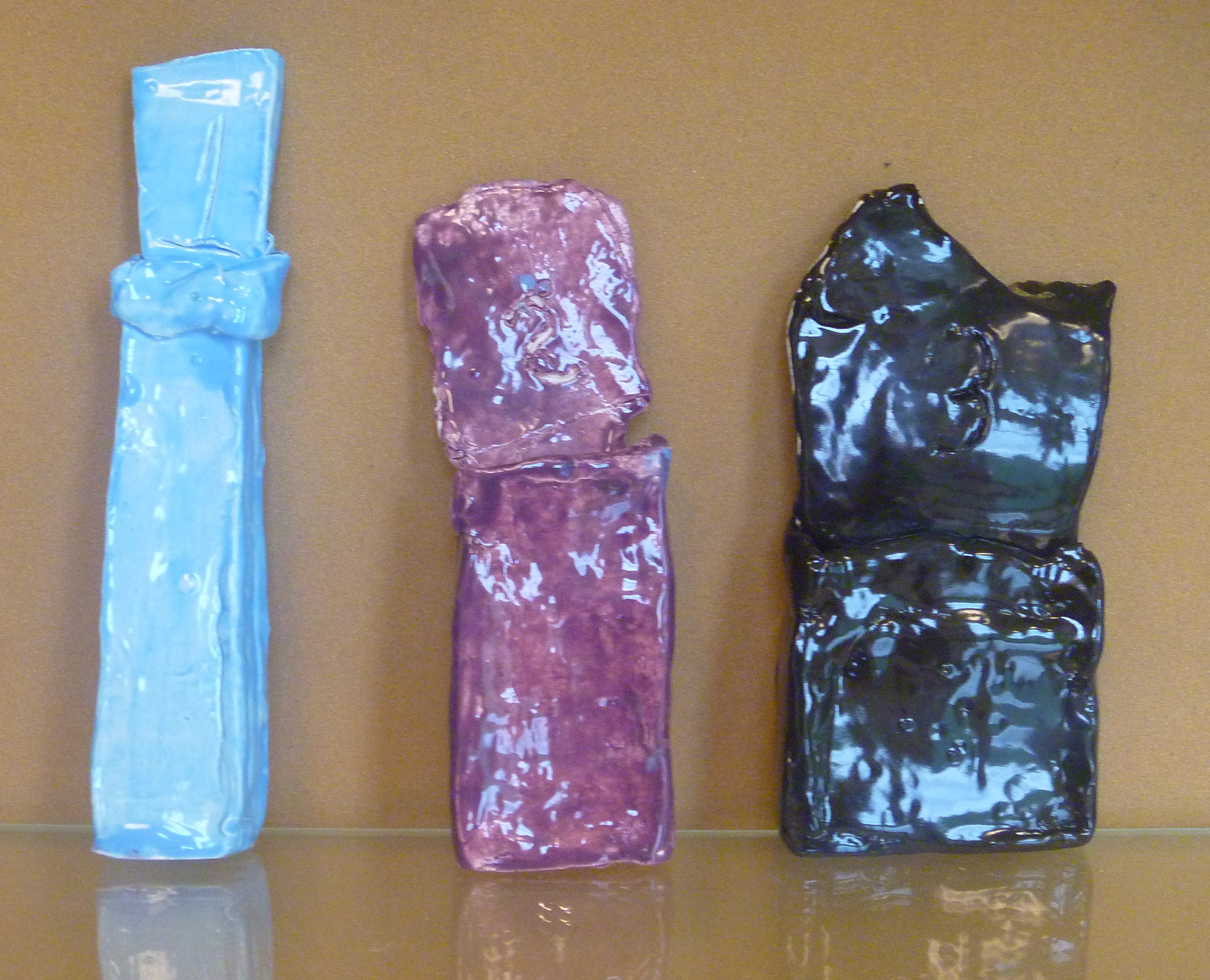
MEDIA CHOICE:  I have set up my classroom so that almost all media is out in the classroom and easily accessible for the students.  We started off the year with b/w drawing media.  From there I added color media.  Next was printmaking, then painting and collage.  Starting in the second semester I opened sculpture and clay.  At this point in the year (10 weeks to go), students are allowed to choose whatever media they want.

I know that not every TAB classroom works like this, but this is what works for my student population and for me.  I hope as I continue with the TAB pedagogy, I am able to allow even more freedom to my students.  I keep a list of running notes of things I think will make it run better next year.  What demos did I miss this year that would have been good?  What if I spent more time on each behavior individually?  How can the students get more out of blogging?  Things like that.

There are never two days alike in my classroom.  In fact, even when I do an intro day, no two classes are ever the same.  It’s a good thing.  It keeps it interesting to me.  It keeps me on my toes.  It keeps me happy.

A New Theme Brings Back Some Life

Standard

Over the past week my students and I have waded through learning about how to draw and shade facial features.  All of this was leading up to the intro of our newest theme: the self portrait.

It’s a scary theme for many high schoolers. Many surprised themselves with how well they could draw lips, noses, and eyes.  But I could tell they were still dreading the theme.

I then showed them the pinterest inspiration board full of famous self portraits AND a myriad of non-traditional self portraits.  I could see the tension and apprehension melting away.  I could see the light in their eyes that had been missing these past 2 months.  I could feel the excitement in me return.

That same day, a student had talked to me about a controversial piece she wants to do. She wants to “talk” about the darkness she had inside and the scars that haven’t healed. Since I know she is already getting help, I gave her the go ahead. Today she made a cast of her hand and part of her arm. It has a well thought out diagonal opening on the arm where I imagine you will be able to see the dark and the scars.  I know to some that this may seem like a cry for help. I see it as a way to help her heal. I feel it could possibly help others too.

I didn’t intend for this post to take this turn, but as I was writing, I was thinking of her and a peer casting her arm today. I thought more information was needed. I admire her courage to take this theme and really make it her own and something that has meaning to her.

Let There Be Light?

Standard

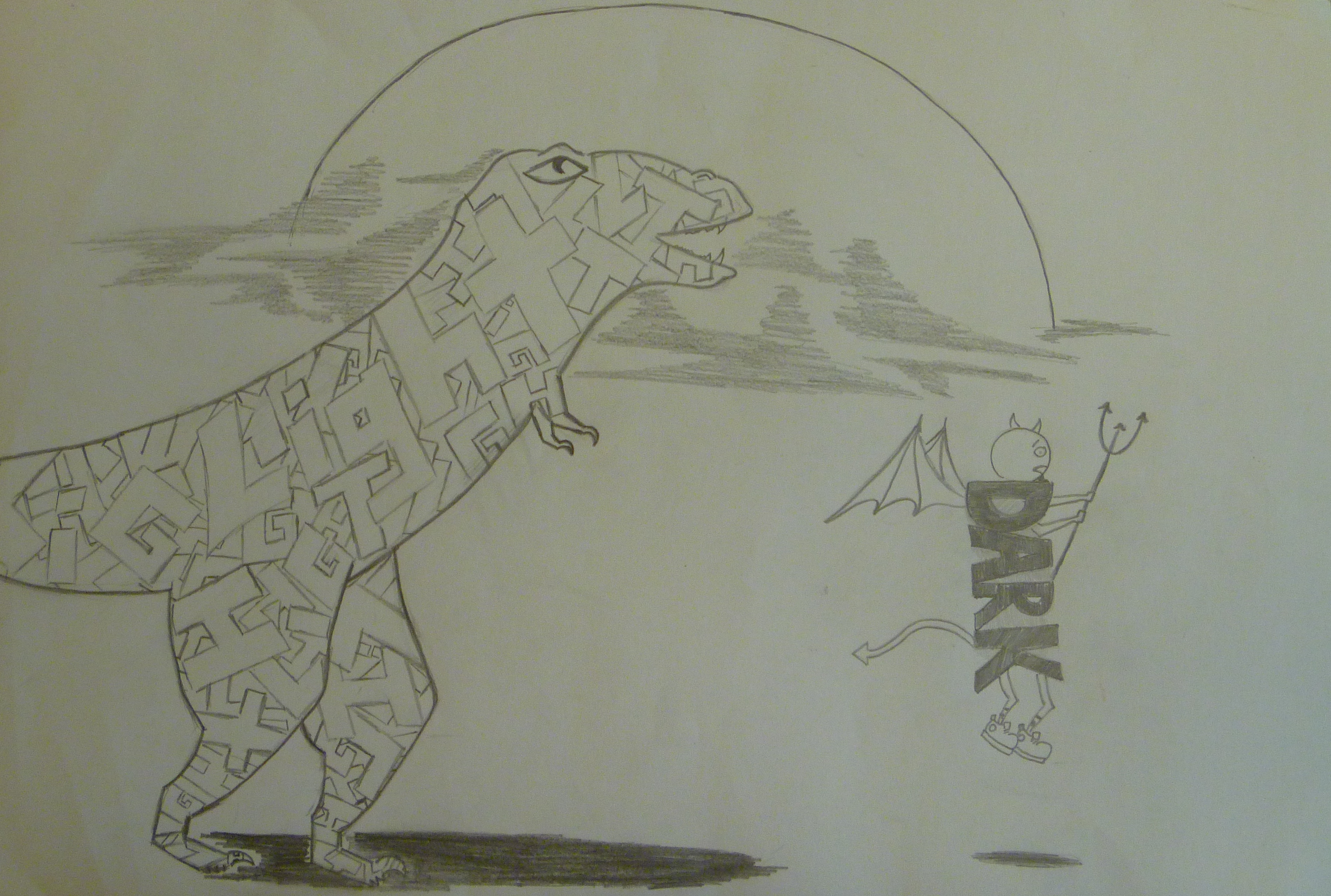
Light:    

  1. the natural agent that stimulates sight and makes things visible.  
  2. understanding of a problem or mystery; enlightenment.
  3. (of a color) pale.
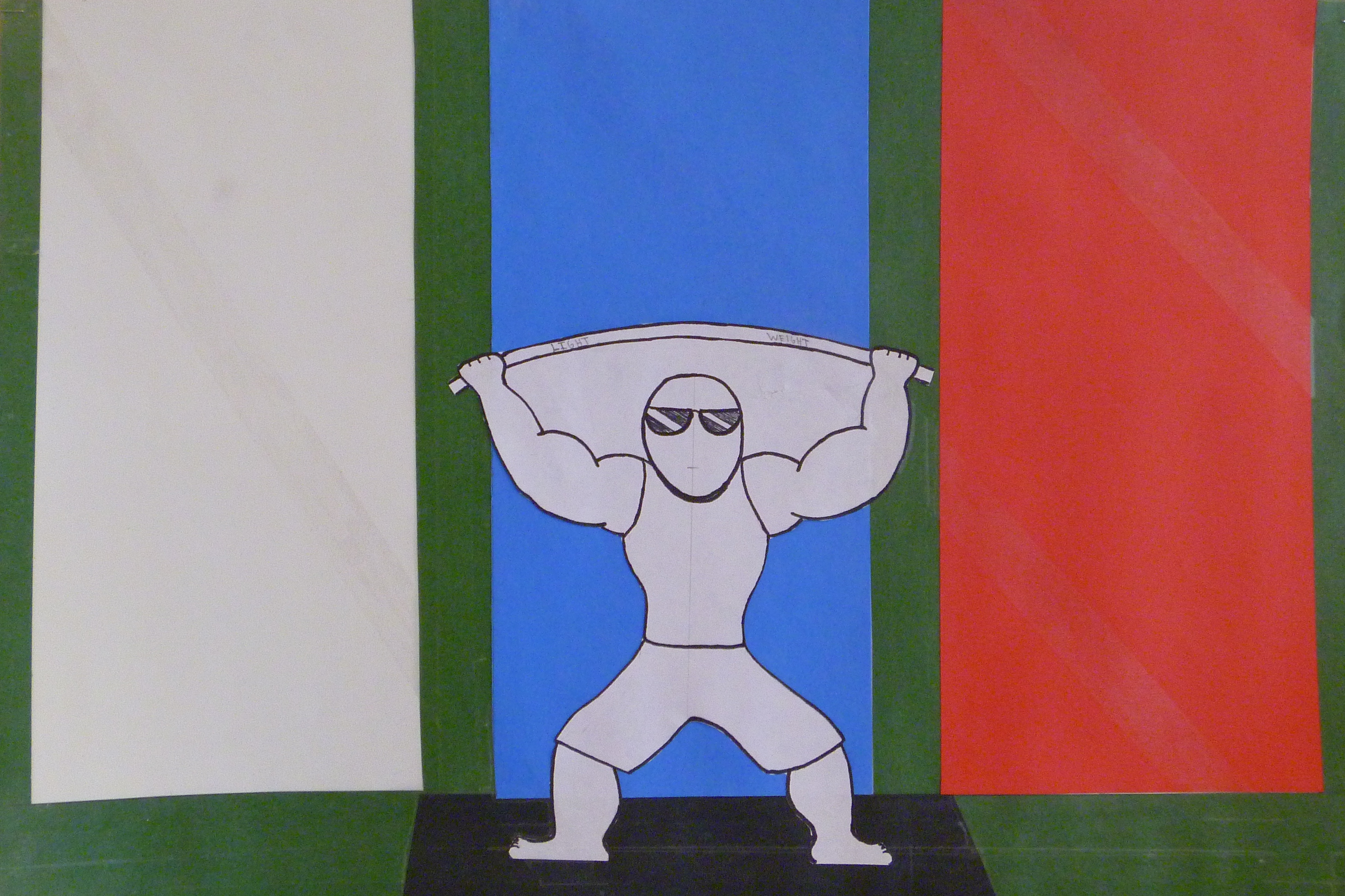
  4. of little weight; easy to lift.
  5. gentle or delicate.
  6. (of entertainment) requiring little mental effort; not profound or serious.
  7. (of persona) good; vs. evil (dark)

This was our theme.  Seems like there could be a myriad of possibilities.  I thought it would be “easier” that our previous theme of “Sound“.  Unfortunately, it was much harder than I thought it would be for my students.
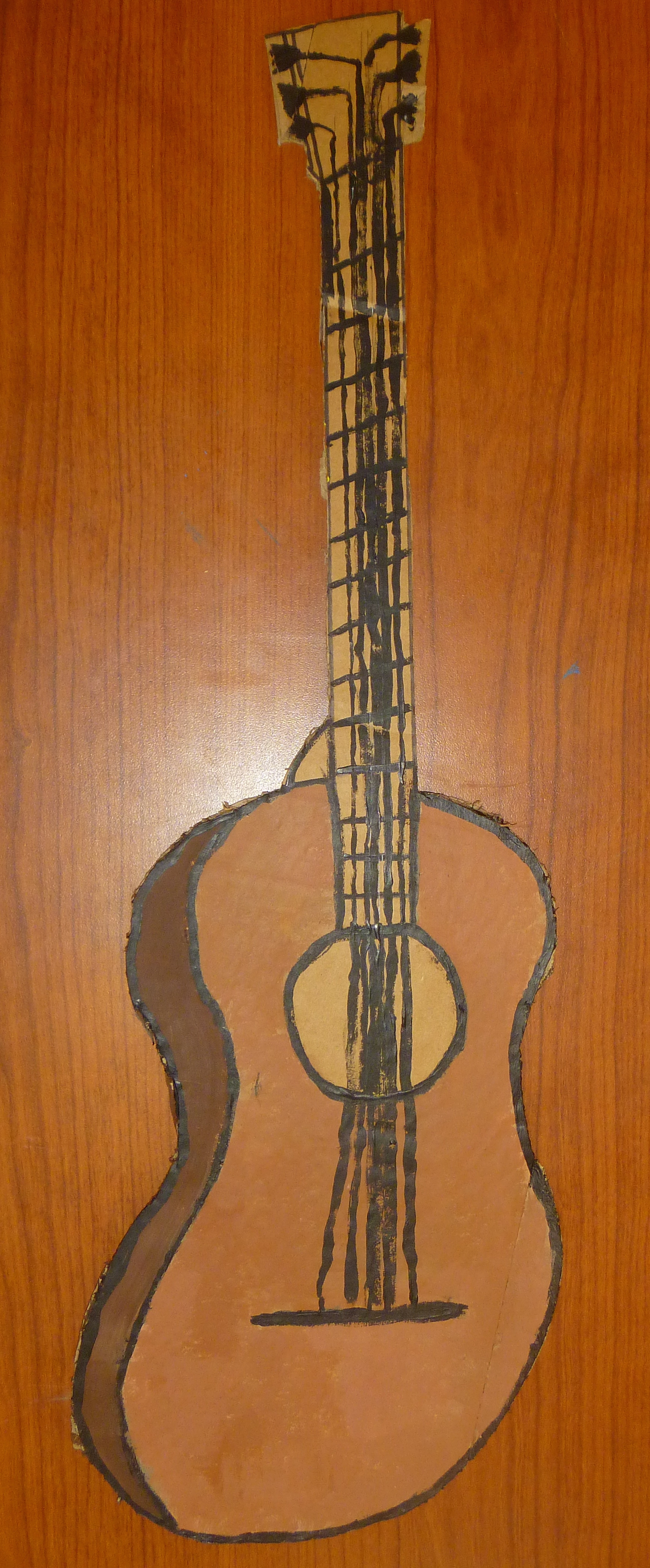
I don’t know if it was the theme or if it is just that time of year.  (To be honest, I have hit that proverbial wall that often shows it face in February as we are just on the cusp of beginning the last 2 marking periods of the school year.  But, I digress.)  While a few knocked it out of the park and had some deep thinking and meaning to their artwork, many just went through the motions.

Not everything that came out of this unit was bad.  It helped me to realize some things about my students, myself, and the atmosphere in the room.  My students need a break from computers.  Enter our next theme of surrealism where they will rely on their minds for ideas.  I need a break.  I know we just returned to school, but I feel like I am about to start up this huge mountain of responsibilities and I won’t get to the top until mid-April.  And, finally, my room has become too comfortable.  It’s a double-edged sword really. It’s what I wanted.  I wanted my students to want to be here.  I wanted my students to want to make art.  I wanted my room to be a living thing.  And it is all of these and it is not all these things.  I don’t know how to explain it.  I like the chaos of art making and several of my classes deliver.  But what I don’t like is just general chaos–which other classes are becoming.

So, see, this unit has brought reflection and thought for me.  This is a good thing.

Here are a few more good things that were brought about by this unit.

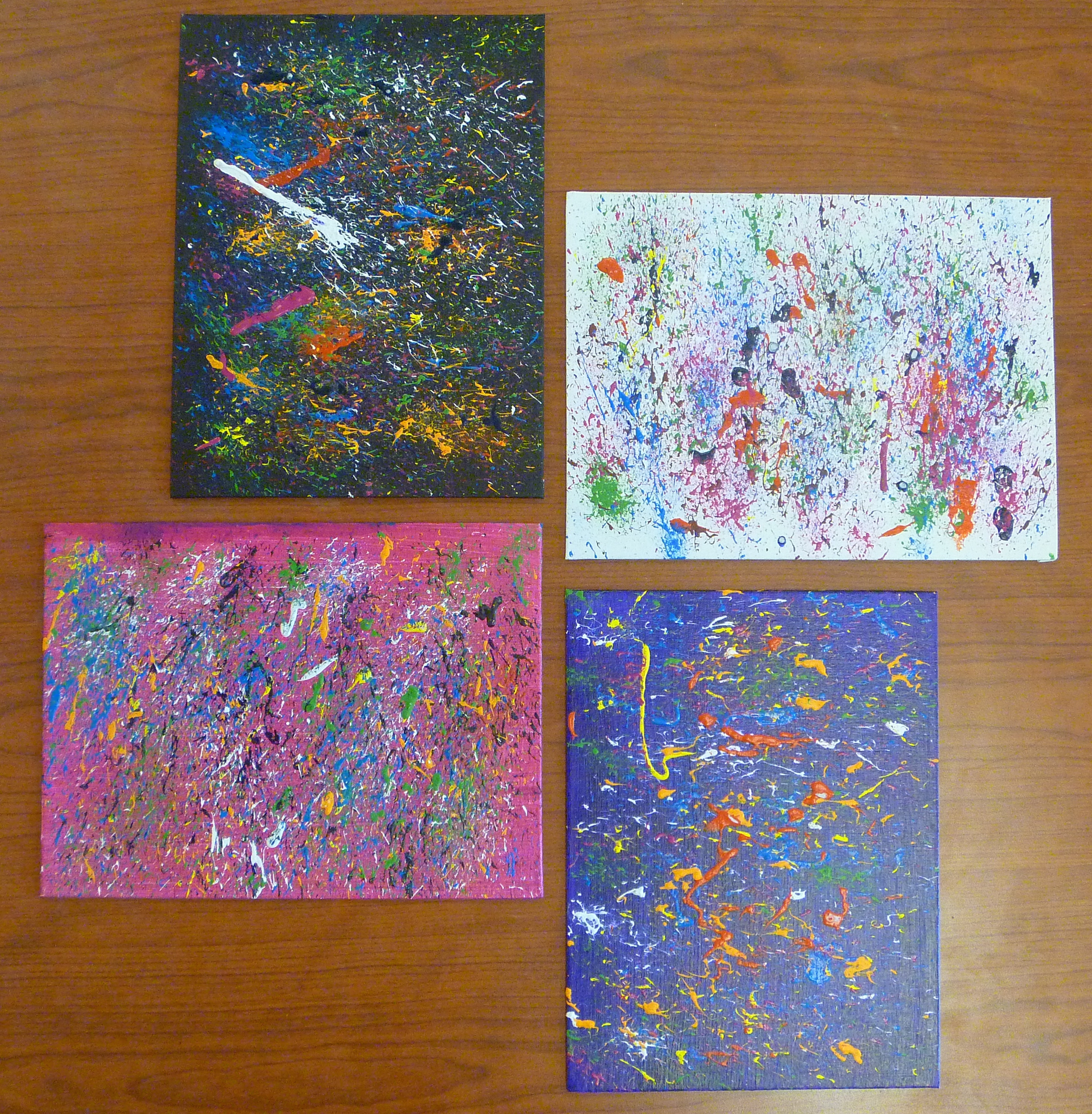
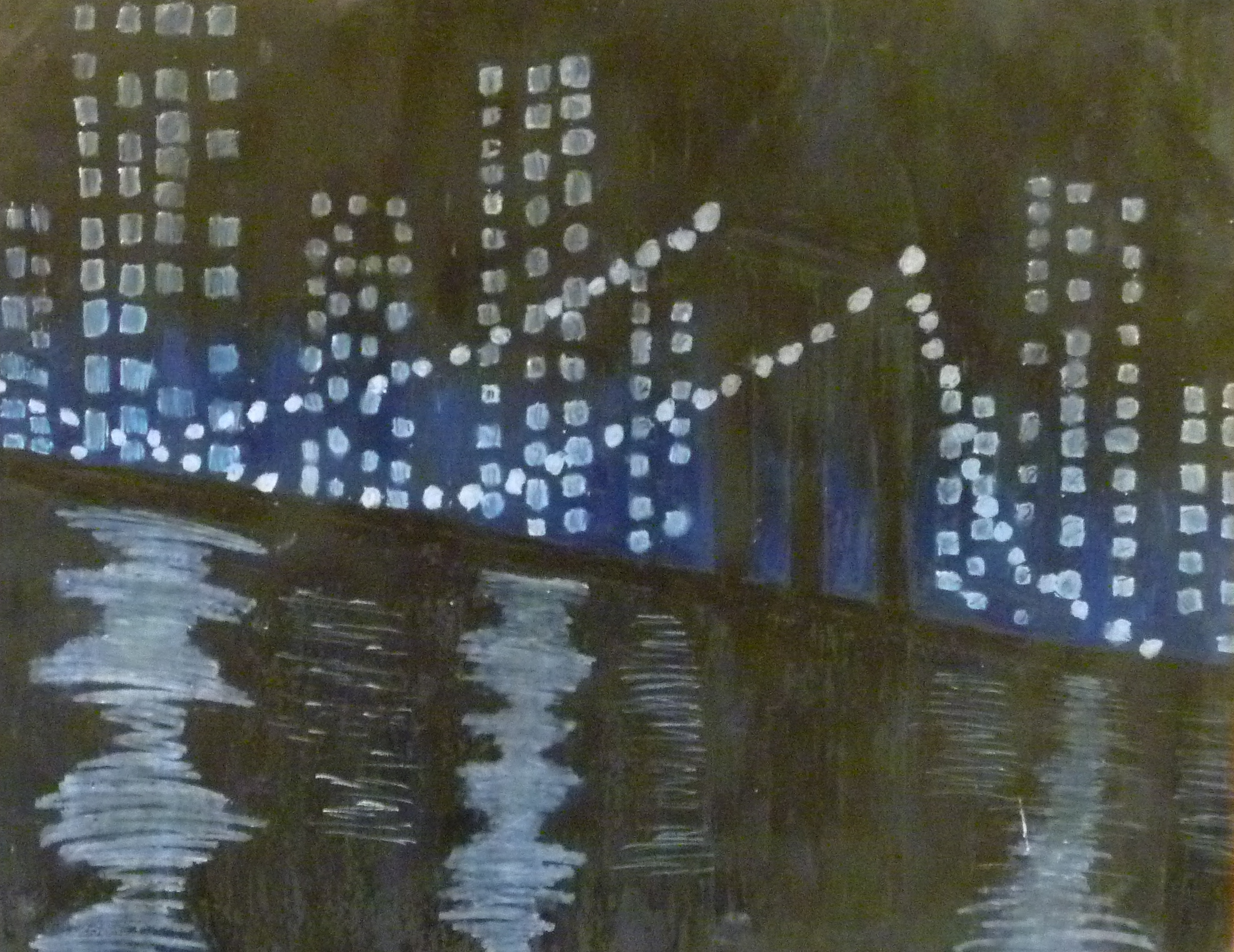
P1050806 P1050811 P1050814 P1050837 P1050839 P1050844 P1050874 P1050879 P1050882 P1050913 P1050914 P1050923 P1050925 P1050927 P1050974 P1050978

Picturing Sound

Standard

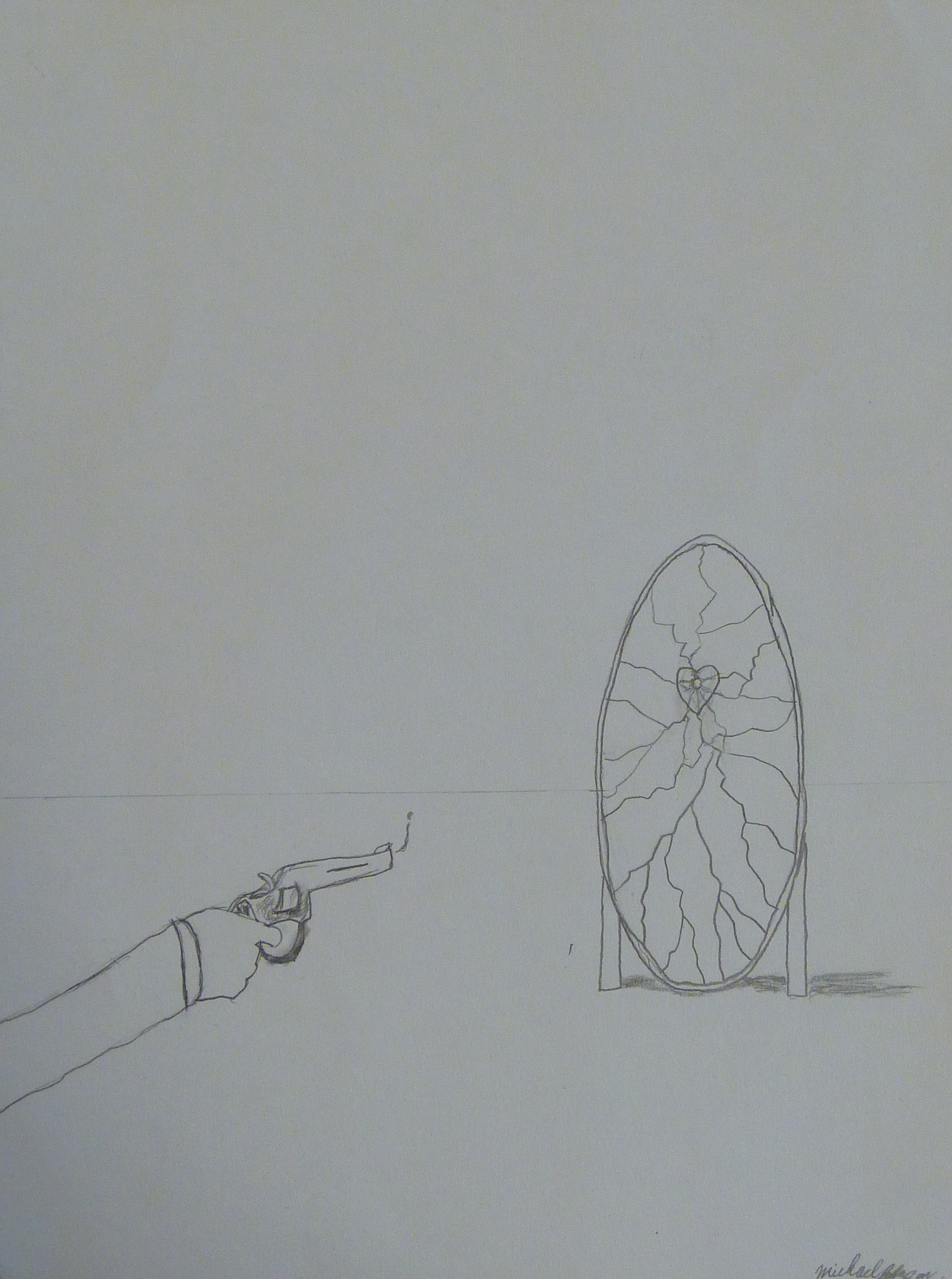
Sound.  Visualize it in your mind’s eye.  It’s not easy is it?  Well, that’s what my art 1 students were tasked with.  They were asked to take something that is not concrete and turn it into something that is.  And, they did just that.  They picked images that remind you of certain sounds…tires screeching, wind chimes in the wind, the quietness of peace, speakers booming, the vibration of bass, the crack of a baseball bat or thunder.

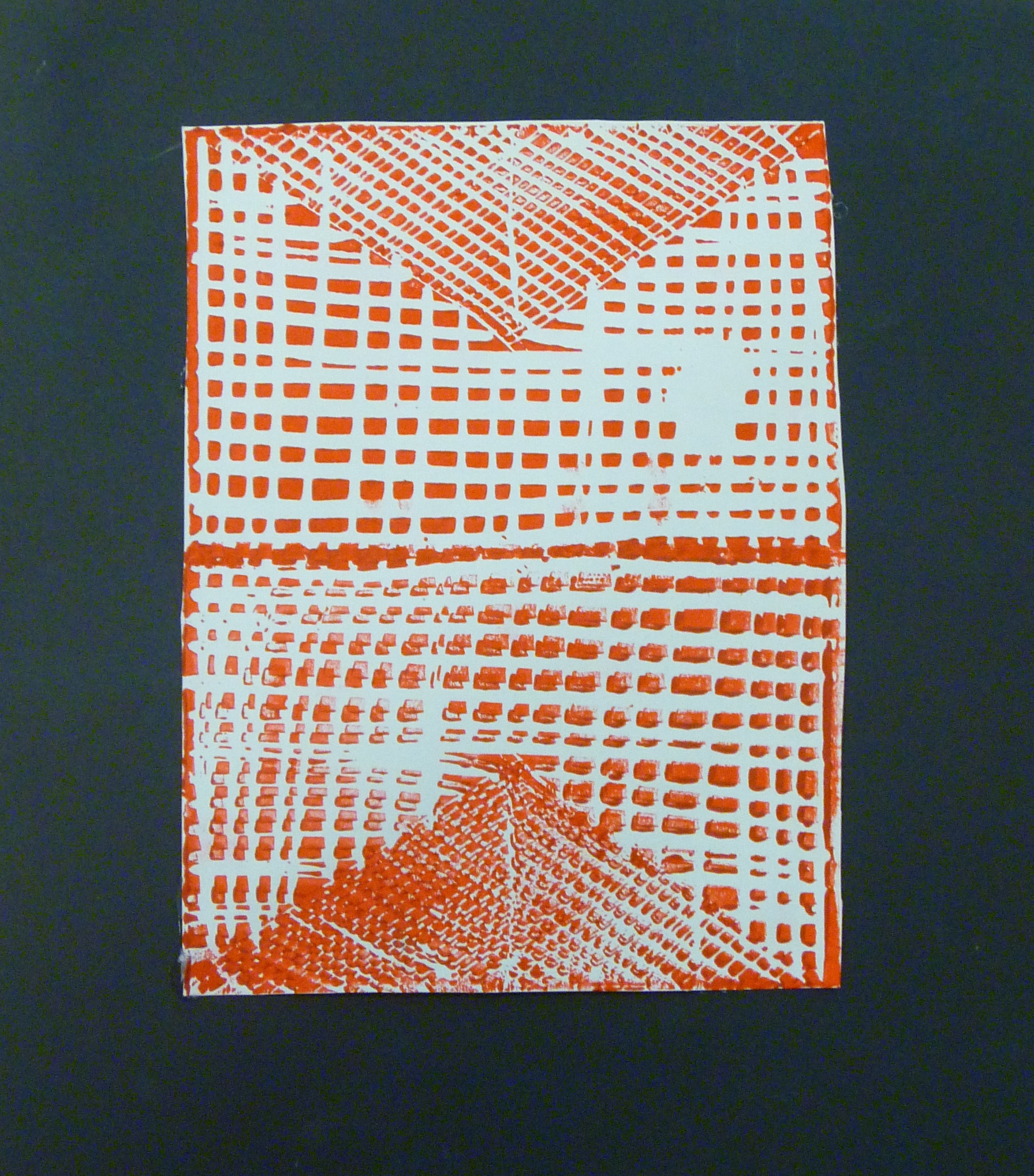
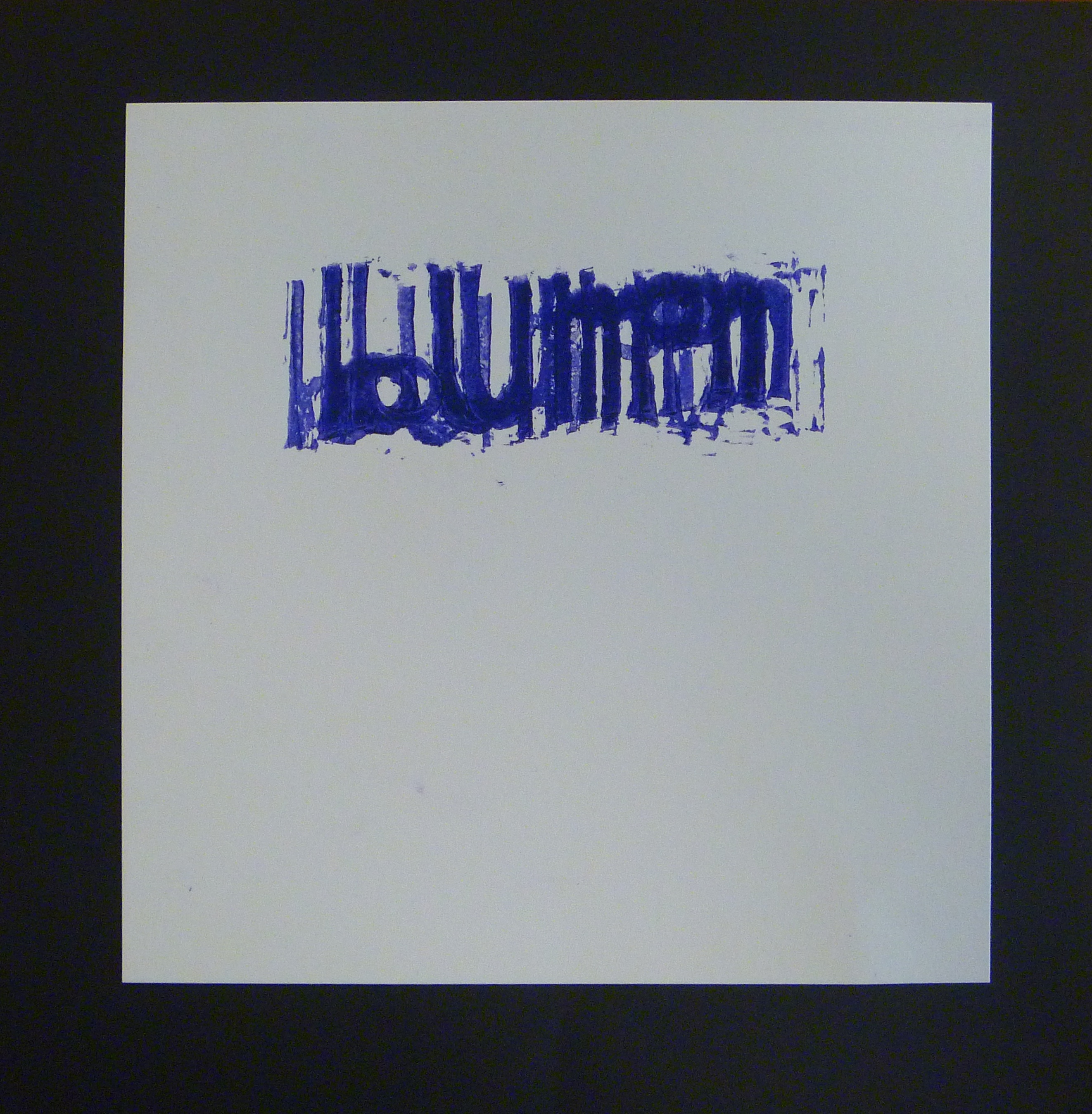
In this unit I introduced block and collograph printing.  Of course, tons of kids wanted to try block prints. I think they did well for their first try.  It was difficult to get them to understand placement of the print on the paper, but luckily I had a template they could use to help them get it right.

I am so pleased with their solutions.  There is so much thought put into these works.  Check out their artist statements telling of their intent and processes.  This is definitely a theme I will use again.

P1050503 P1050508 P1050511 P1050513 P1050518 P1050520 P1050536 P1050537 P1050539 P1050547 P1050565 P1050568 P1050574 P1050575 P1050577 P1050621 P1050625 P1050626

Choice and the Ceramic Classroom

Standard

As you may know, I have changed the majority of my classes to a TAB/Choice-Based classroom.  And, I love it.  The work is authentic and I feel students are really learning and creating something they are invested in, rather than just going through the motions.

Well, how do I do that in a ceramics class?  That has been an internal issue I have.  I want to bring choice to them, but felt that I couldn’t just jump in.

I did with my intermediate and advanced class, but they are really my guinnie pigs.  I have told them as much too.  There are only 6 kids total in those 2 classes, and 4 of them took beginning ceramics last year. But it was only for a semester, so in reality, they are technically beginners.  It’s a long story.  Anyway, they know the basics and are just given themes to work with.

That is my plan for beginning ceramics…to eventually bring a theme for them to interpret how they see fit and to choose the best building method to carry it out.  But first, I felt they really did need to have some basics.  They needed to learn how to use slabs, how to coil, how to score and use slip.  From there, then they could explore further.

I know many are ready to break free, even though we haven’t covered coil yet.  But, am I ready for them to break free?  There will be some things I will show them as we go along–engobes, slip casting, mold making, the potter’s wheel.

Can I really treat my ceramics class in a similar fashion?  Can I just show them a demo, record it, and have them refer to it later if need be?  Will that be enough? Can they just have a theme to interpret and explore?  I guess after the coil lesson, we will find out.

How Do My Students Feel About Choice?

Standard

If you have read any of my posts, then you know exactly how I feel about Choice in my artroom.  And in case you are new…I love it!!!  Love it, love it, love it.

But all too often we talk about what we as teachers want and how something made us feel or if we made the right decision.  We don’t ask the students, the most important people in our teaching world, what they think.

So, I did just that.  I asked them on their midterm exam what the experience of having choice in their classroom was like.  Here are some responses.

“This effected me a lot because last year we were very limited on the materials we had to use, and we all had to do the same art work in  the same manner everyone was doing it. It was a good idea for you to change it to were we can all do different types of art work but with the same theme, for example we were able to carve, paint, draw, and a lot of types of work. i think that method should stay because you can see what each person likes, and what their good at.”   ~Aharon, art 2 student

“I was really appreciative of the opportunity to get to pick what I wanted to do and how I would do it.  Having little restrictions was really helpful in expanding my creativity and giving me more choices.”    ~Edward, art 2 student

“We had a variety of things to use and how to use them. I personally think that some of the projects shouldn’t have been so optional with such a variety of things. That the assignments shouldn’t have been so open to do what those of such wanted. Some should of been open to pick to choose their material used, but some also should of been told what to use and work with that and grow on that to know how to use it and get used to using it. When starting a project it took me awhile to pick what I wanted to do and what I wanted to use due to all the options we had. I am the type of person that I’m more comfortable to be told what to use and then go from there. So it was a challenge adjusting but I got it done. ”  ~Kalisha, art 1 student

“I liked the new way of teaching/learning you introduced because it gave me a lot of liberties. In my school (in Germany) we have more defaults and the pictures look similar. Here everybody can draw and interpret the theme his/her own way. That way everybody draws something different and unique.”  ~Dania, art 1 foreign exchange student

“I felt like it really effected me because if you wouldn’t have given us the choice to really be creative i wouldn’t really try and make something really boring just something easy. I feel like it honestly did help me because i am actually interested and feel like i could do something with my art one day in the future. I am honestly really happy i stayed in this class and you gave me freedom because without that i probably wouldn’t see how much i enjoy art and really see i can do a good job when i put actual effort into it.”  ~Casey, art 1 student

“I loved that we got to choose what our artwork was this year. It’s given me a lot more freedom and has actually made me care about my artwork because I’m doing what I want to do, instead of something that i have no connection to.”  ~Ryan, Art 2 student

“This was effective to me by, letting me use the things that i needed and allowing me to have the things i need to make my artwork be great, and make it to where i don’t just slap something on a piece of paper and turn it in. I can actually give it character.”  ~Zoe, art 1 student

“I remember last year in ceramics when we had to make a certain piece, but use the method our art teacher wanted us to use. This year, we have theme that our pieces must revolve around, and we may use which ever method of building we like. Personally, I love this new method our teacher has been using for this year. I feel this allows us to continue to use a method we enjoy and focus on improving our skills using that method. Instead of constantly changing which method we have to use and using a method some students might dislike more than others. For example, say we are assigned to make usable containers, one student could use the slab method while another might use coils. There could also be a student who wants to use his or her own method to build a container. They each can find a way they like to sculpt and continue to learn more and more about whatever method they choose. We also have the privilege to try and improve our skill in a method we are not yet comfortable with.”  ~Joseph, intermediate ceramics student

Far and wide, almost all of my students (with the exception of beginning ceramics because I have not moved that class to choice…yet–it is coming next semester) really like having the choice.  They like being able to experiment and try new things and start over with another medium when the first they chose isn’t working.  They like being able to interpret themes as they wish.

I appreciate Kalisha’s perspective as well.  I know for some it is really hard to not be told how to do something, especially when you have been told how to do it for most of your young life.  She is a fabulous artist who spends time thinking about how she will interpret things and trying new mediums.  She works hard and has created some fabulous work.  I think that one day she might change her mind about having such freedom because from my perspective, it is working for her.

For more reading my students’ responses, go here.  I would also like to thank the teachers of Apex High School (for the umpteenth time) for sharing what they have done in their TAB classrooms.  I “stole” their exam questions to use with my students.


Teaching to Think Like an Artist

Standard

The following was posted in the feed of an art teacher group I am part of.  I completely agree with the message.  We need to be teaching our students how to think like artists.  We need to teach them how to problem solve.  We need to teach them that mistakes are okay.  That exploration leads to artistic growth.  That, as Cindy Foley implies, ambiguity is okay.

You Can Go “Home” Again

Standard

Our third theme in Art 1 this year was “home”. This proved to be a harder theme than anticipated…and one that many thought was uninteresting. I knew some students wouldn’t be able to get past doing a drawing or a painting of their house, no matter how much we discussed different things that “home” could mean.

I challenged them to look beyond the obvious and look into their lives and show me what home meant to them. Many took this challenge. Many succeeded. But, many fell short. However, that doesn’t mean they didn’t learn anything.

A new “station” was opened on this unit. I introduced them to paint. We looked at watercolor pencils and watercolor paints. We also looked at acrylic paints. I could see the sparkle in the eyes of the few that explored the world of acrylics. I watched the frustration. And I saw the perseverance of the few that kept working and working until they were satisfied.

While I am unsure if I will use the theme of “home” again, I am pleased with the results. Here are some of my favorites.

P1040790

To see all the artwork, visit The Barnett Blog.

Setting the Stage…The Paint Stage

Standard

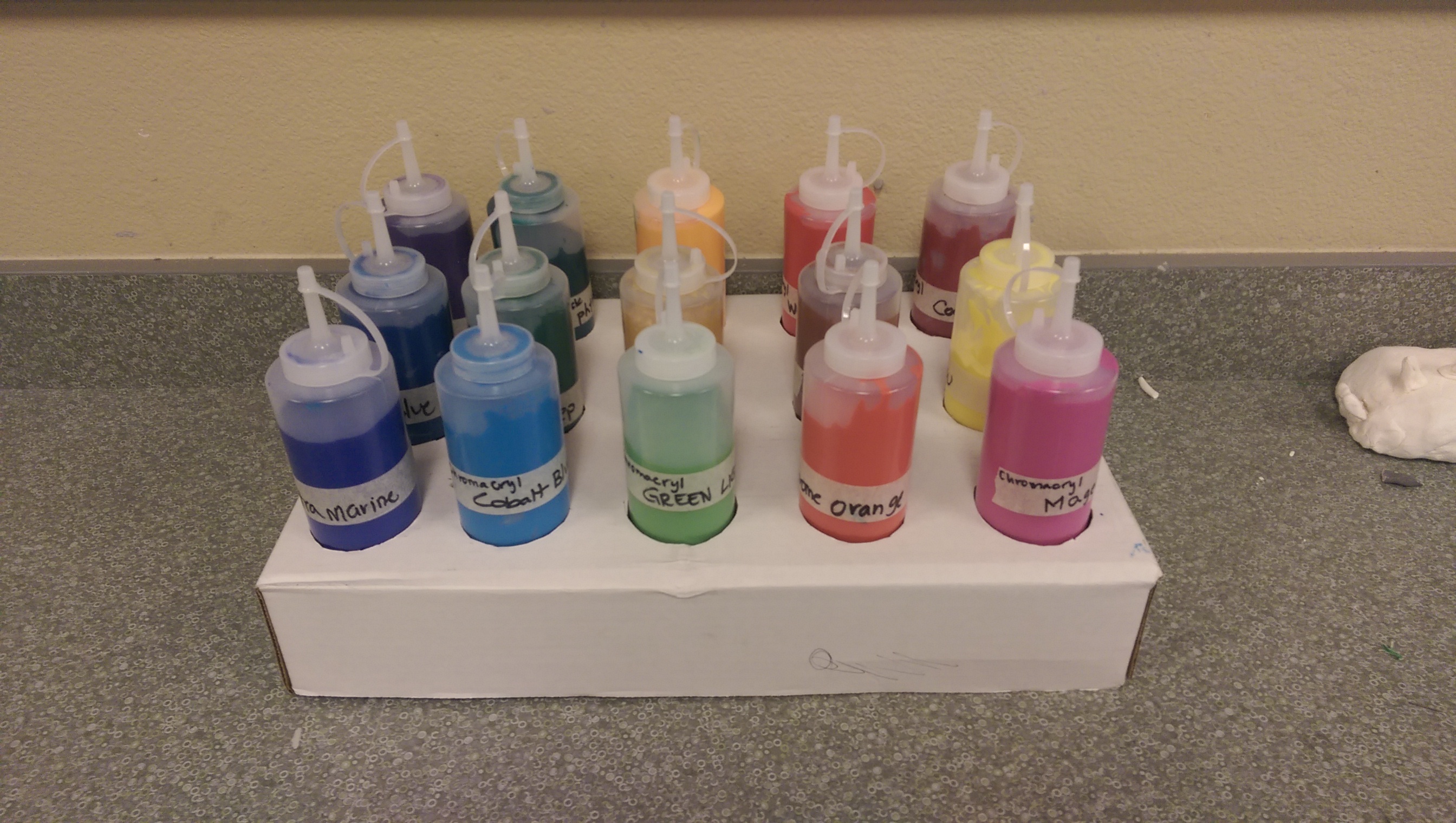
One of my biggest fears/concerns this year when moving to a TAB/Choice-Based classroom was the addition of paint into the mix.  Paint is always a scary thing. Kids don’t always wash brushes out and acrylic dries in them. Trays get left behind for me to clean. So much paint gets wasted because no matter how many times you say, “you can always get more”, the kids take enough to cover an elephant.  And don’t get me started on those pumps for the half gallon bottles that are always clogged.

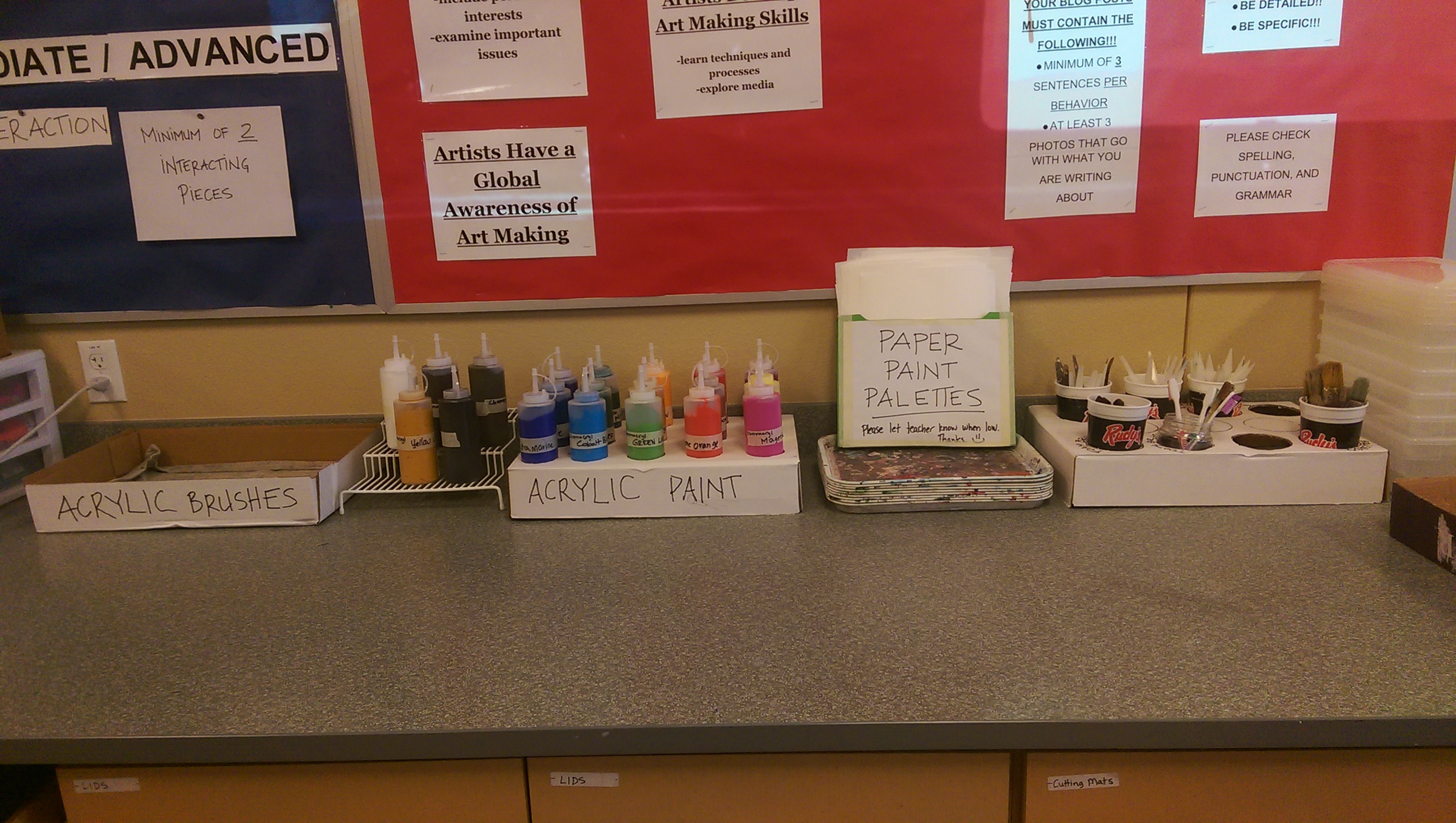
Since this year I have everything out for the kids to access, I thought paint, both acrylic and watercolor, should be out too.  And, not to toot my own horn too much, since I had put so much thought into organization (and it is working very well), that the paint should get the same consideration.  I bought a bunch of clear, empty ketchup bottles for my acrylic to try and combat the too much paint/clogged pump issue. I looked through all the stuff I had and found a couple of racks I could use. And, I appropriated several Xerox paper box lids from the work rooms.
I made 2 areas–one for watercolors, and one for acrylics.  So far, so good. Kids have access to it all, except they do have to ask for the canvas boards. They have been taking only the paint they need.  They close the caps on the paint bottles.  Almost all brushes are washed well.  (They have been following the brush washing video I made for them.) The paper paint palettes help so much with giving them less to clean and more time to work.

It seems my fear of introducing paint was unnecessary. Let’s hope they keep up the good work, and good clean-up.

image

Watercolor station. Includes paint trays (not pictured), brushes, paper, salt, resist medium.

image

Canvas board size choices, on the wall near

image

Acrylic paints in their new bottles. There is a small spice rack stand that holds the neutral colors.

image

Acrylic paint set-up. Brushes, other tools, paint trays, paper palettes and brushes. There is a towel in the brushes box top so wet brushes can dry and not destroy the cardboard.

Art 2 Work In Progress: Interior/Exterior

Standard

Art 2’s newest theme is interior/exterior.  They have really explored this theme and their ideas run the gamut.  They are all so different and I am so proud of them and their work.  They work so hard and many come in with ideas so they are ready to go once they finish practice sheets.

Here are some of the works in progress.

This student did a smaller sample first to figure out how he should color his mango.  We both liked the look of the sketch so much, he tried to replicate it in a larger form, finger prints and all.

20141028_160015

This student is big into soccer, so he is doing an open stadium located in Madrid.

20141028_155943

I really like his concept of switching up the ball and the court.  This student’s work is improving so much.

20141028_155918

I am not quite sure what is happening in the mouth, but it isn’t “mouth parts”.  Today he and I had a discussion about what color the inside of our nostrils are.  He went so far as to use his camera to find out.  I love the way he is using the oil pastels.  He has never used them before.

20141028_155911

An “inside”look into someone’s eyes.  And, it is said that they eyes are the doorway to the soul.

20141028_155904

I eagerly await the finished artworks.