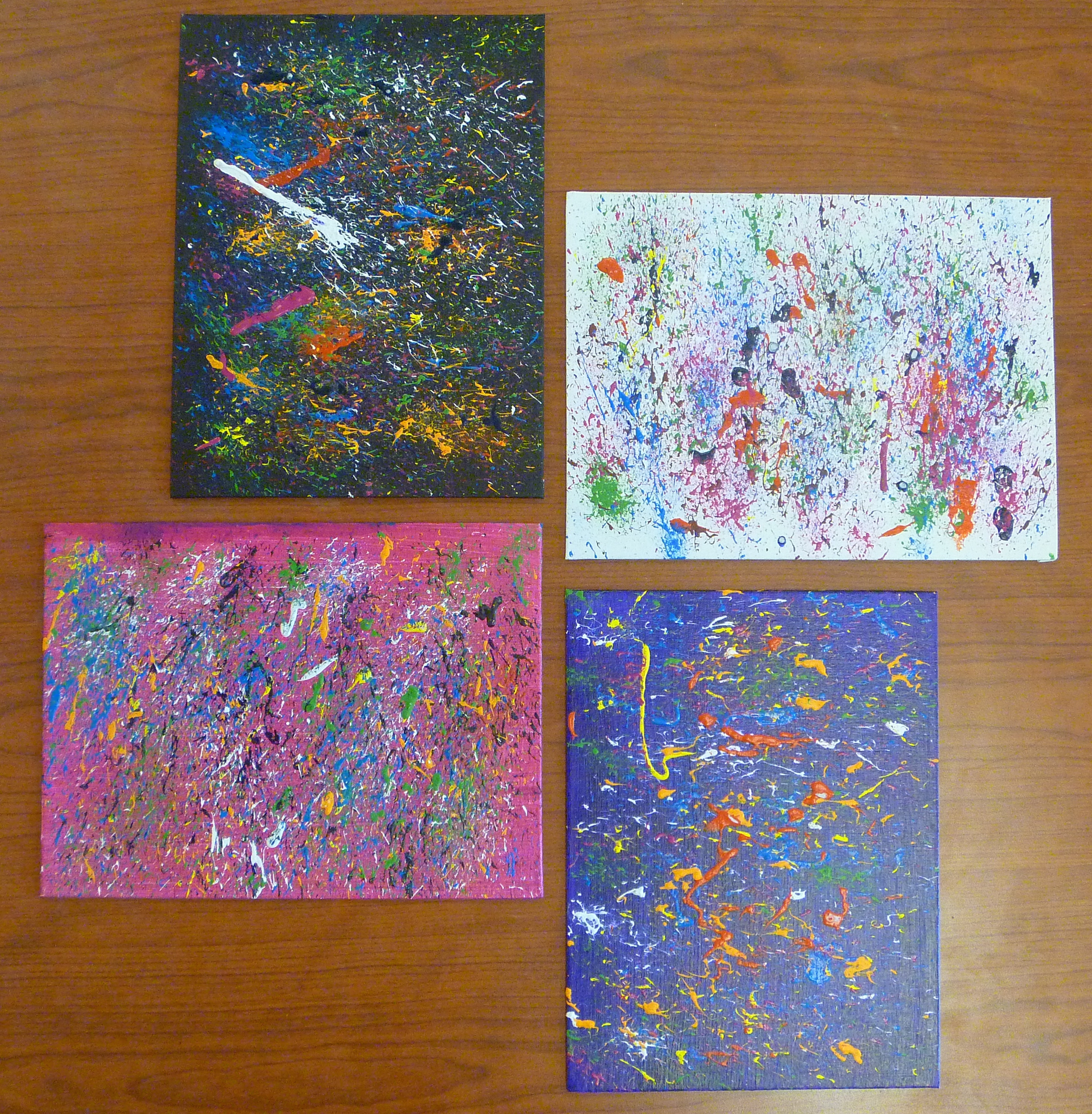
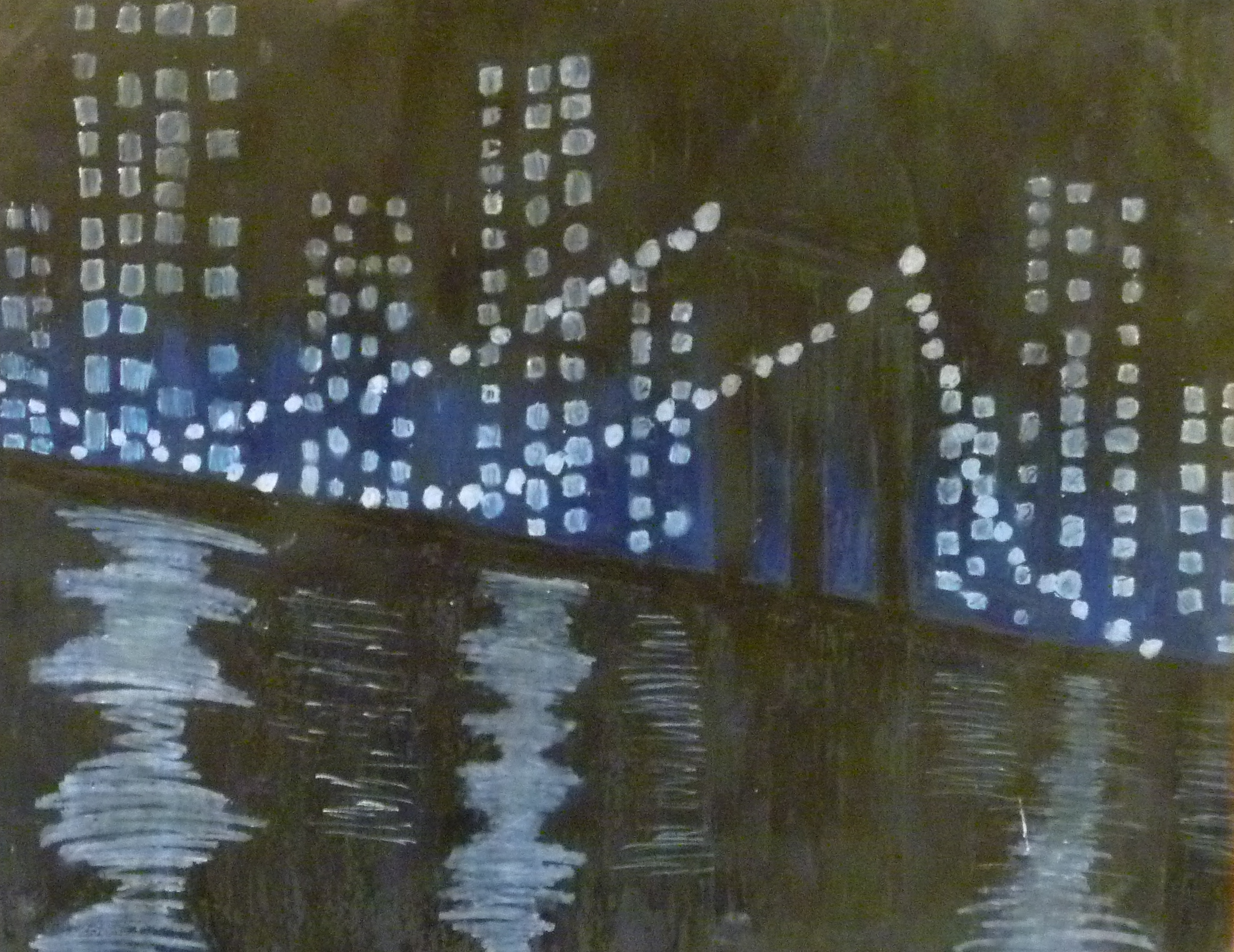
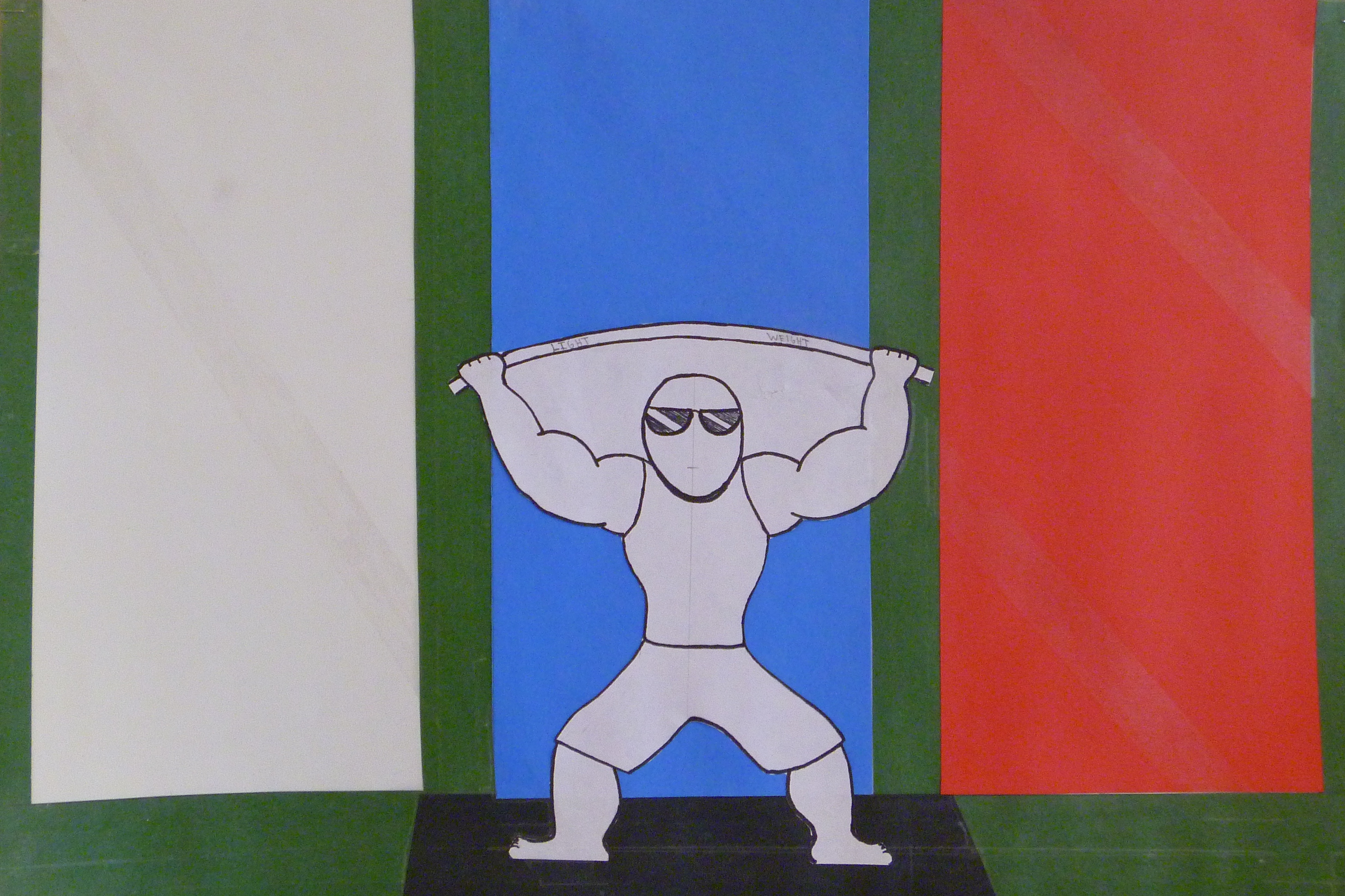
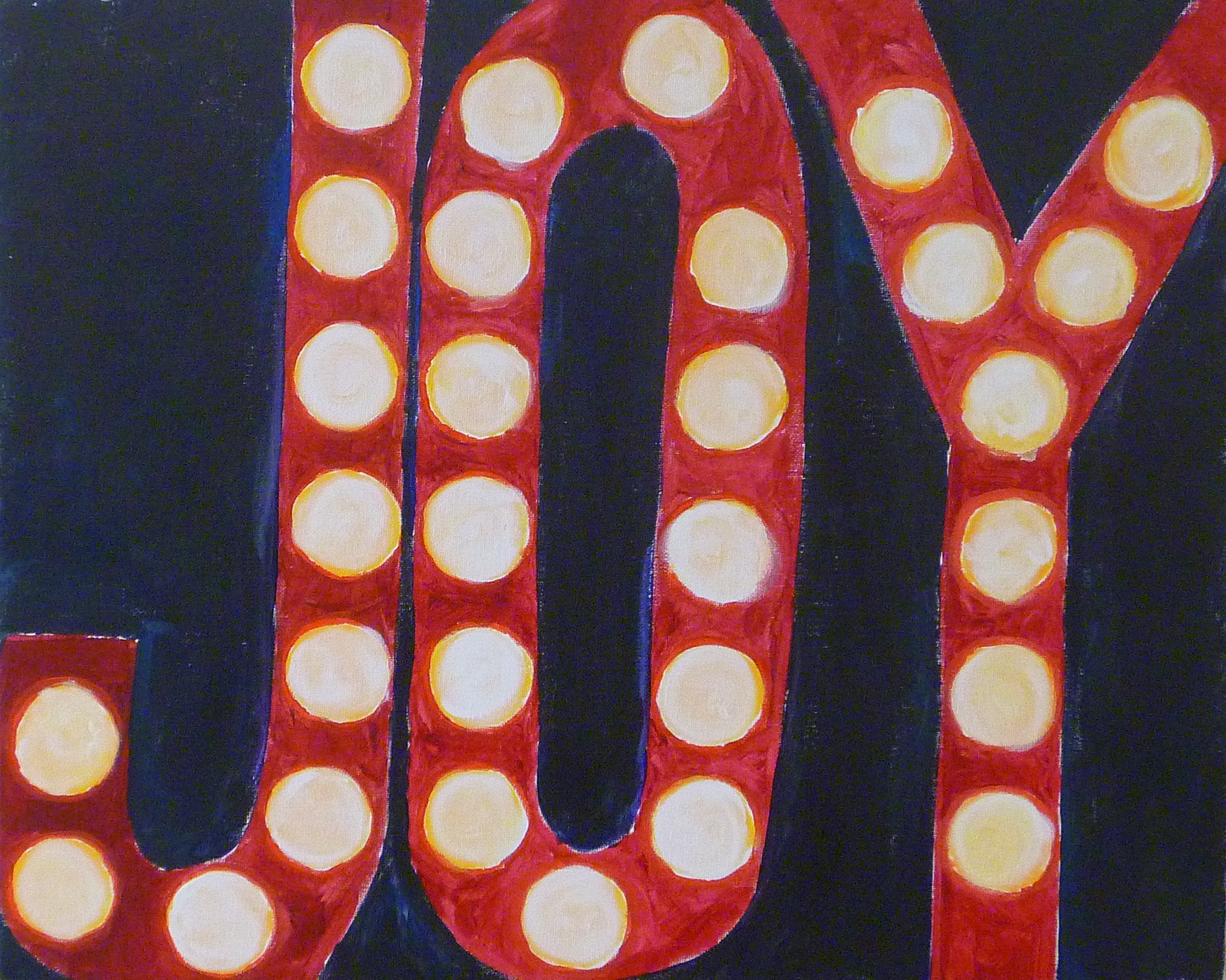
Tag Archives: reflections

Year in Review: Part 2: Things Learned and Things to Learn

Standard

In this part of my reflection on the 2014-15 school year, I decided that I would look back over the changes that took place by bringing TAB/CBE into my classroom.  While I have offered modified choice in my room for a while, this was the first year to fully implement the TAB pedagogy. It has been a huge learning experience, both for my students and for me.

I had heard and read about all the wonderful things that have an open studio could do, but to be honest, I was still skeptical.  Could my student population really do well with such freedom?  The answer is yes.

Let’s start with some positives from this year:

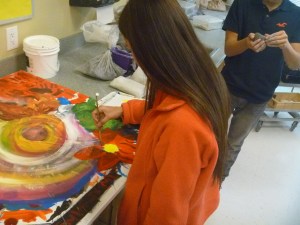
  • P1050661Kids worked through artwork until they were satisfied…at times starting a new piece because it just wasn’t working.  This just amazed me.  I’ve had kids work hard on things before, but never with the fervor I’ve seen this year.  They pushed themselves. And it paid off.
  • Kids learned from other kids on how to do something I didn’t teach them.  They would see something someone else had discovered and asked how to do it.
  • Kids tried new things, even when previously saying they didn’t like such-n-such medium. Some would try out a material, such as clay, just to discover they still didn’t like it.  Others would finally break away from what was known to the, only to find a new love.
  • Clean-up/ownership of materials and tools.  I have to clean a lot less than in previous years.  I am not seeing a mis-use of materials (paper, paint, etc.–except for ez-cut.) Trusting my kids to be responsible with tools and materials was probably my biggest hang-up when moving to full choice. But, I was pleasantly surprised when tools got returned, when I still had erasers at the end of the year, and when the majority of brushes were cleaned.  I think that giving the students trust to maintain the studio was a big factor in this area.
  • I am noticing I use the word kids a lot.  My students are in high school and probably wouldn’t want to be called kids, and they aren’t related to me, but they feel like my kids.  This year I have had the most comfortable relationships with students.  I know more (and some things I would like to forget..can you say tmi?) about my students this year than I ever have before.  I think thP1060155is stems from a combination of reading their blog posts and the type of conversations I was able to have with my students.  Because I wasn’t focused on them creating a certain thing or following a specific rubric, I was able to go deeper with them into their work and their lives.
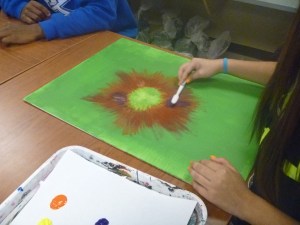
  • Lots of growth happened this year.  Not every student grew.  Some kids are just there for the credit.  They don’t care one way or another, and no matter what you say/do or don’t say/do isn’t going to change that.  There were classes I took in both HS and at my first college where I felt the same.  It’s normal.  It’s okay.  And I accept that.  But, for the majority of students, they did care.  I saw them push themselves.  Some grew in drawing skills.  Others in painting.  Some grew in meaning put into their artwork.  I had a couple that finally stopped copying things from the interwebs and began making their own.  One student who did the bare minimum for 90% of the year finally came alive at the end once he realized he could things in an anime style if that is what interested him.  He didn’t pass, but he promised me that the flame I saw at the end would be there for the whole time next year.  I have a hundred stories to tell about student growth.  It makes me smile when I think about them.P1040736
  • The art making didn’t always stop with just creating the theme artwork.  Many students just kept going.  They wanted to create this or that, so I let them.  Why stop the creativity?  Why make them sit there and do nothing?
  • My school is a 1:1 macbook, and this year I felt I really had the students using the computers in a positive way.  We weren’t using it just because it was an expectation.  We were using it to communicate and reflect.  The website/blogs created by the students and by myself were a great thing, even if their writing needs some help.

While I did change things during the year to better meet the needs of the students, I still have areas that need addressing over the summer.  And of course, there are areas I feel that if I just changed it up a bit, students would be more successful.

  • Helping the students to understand why we do the blogs.  We started out with artist behaviors.  The students wrote about what they were doing and addressing the behaviors.  I thought P1040846they were moving along and understanding things.  So, we moved to artist statements after winter break. Nope. Most students weren’t there yet.  I then gave them the option to either do an artist statement or pick 2 behaviors like we did previously.  After reading their end of year surveys, I know they didn’t really see the point of them.  A handful of students did (and by handful I mean like 5), but the majority couldn’t see the point of writing in art and thought it was just busy work or for a grade. This is good to know.  I know my student population has an issue with writing, and I am sure that our state testing is partially to blame.  They are not good at writing, sad to say.  But, what I gleam from all this is that need to help them to see that artists write about what they do.  That reflecting on the actions they are doing can help them grow as an artist.  And, that writing is not just for English and History class.
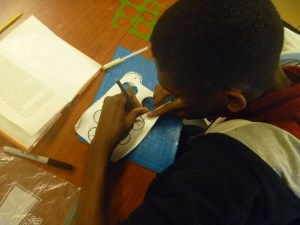
  • I did well creating demos for the students, but I feel I could do more.  I feel that I left some things up in the air…like color mixing…and some kids never explored that on their own.  Perhaps if I give them a taste of what color mixing could do…it could bring more life to their artwork.
  • The students have the ideas, they just need a bit more help as to what is possible oP1050608ut there–both in image, media, and technique.  How do I get them to see beyond the typical art room materials?  How can I encourage them to try something new?  How can I get them to go deeper and think further beyond the obvious? I need to address my line of questioning, the way images get shown to them for inspiration, and helping them to make more dynamic composition decisions.
  • This is the first year I had all 3 sculpture levels doing ceramics.  It was a lot of trial and error. While the students were happy with how things ran, it could be better.  I haven’t figured this out yet, but I will…even if every year we change some things to make it better.
  • Themes were tricky.  Ones that I thought would be killer…dropped dead.  I like working with the themes and I think, especially for my art 1 kiddos, they worked well.  Feedback said the students liked to have a starting point for their artwork.  Things I have been considering for next year…giving the entire list of themes and having them pick as they please…but then how would our padlet brainstorming work with that method.  Having the students suggest themes and then having a vote.  Something else?P1060109
  • Feedback and critique needs to change…big time.  I give personal feedback as I walk around, but I feel I miss students or I hit them too late in the process and they have yet to fully understand things can still be changed and you can go back to an earlier stage.  I want to do critiques more…especially mid-project. (And definitely mid-project in ceramics.)  I am hoping that this topic will be brought up at the TAB Institute this summer so someone can help me to suss this out.

I have more questions, but this has gone on long enough.  I feel that I will always have questions and that is a good thing.  I can’t become stagnant and complacent in my art studio.  No one will benefit from that. All in all, it was a fabulous year.  I mean, there wasn’t one day this year where I woke up and said I didn’t want to go to work.  That says something…don’t you think?  And I know that things will just get better and better if I keep putting my students first by helping them to think like artists and behave like artists and create like artists.

Big changes are on the horizon at my school.  Our entire admin staff is changing.  We are getting a new principal and moving from 4 assistant principals to an assistant, an associate, and a dean of curriculum. And, they will all be new people.  I’ve had a chance to sit and chat with our new principal.  He is very easy to talk to.  I told him about all the changes that I’ve done this past year.  I talked aboP1050334ut TAB and choice and the pedagogy.  He thought it was wonderful and that it aligned with something that was talked about at some principals/superintendents conference.  That made me happy and feel that I was doing the right thing.  And, surprisingly, when I said my final good-bye to our current principal, he said something I never thought he would.  We didn’t always see eye to eye, and sometimes I thought he just didn’t notice and didn’t understand.  But, he told me to keep doing what I was doing.  To keep my expectations high and keep pushing the students.  He said that that is what they will remember and what they will appreciate.

And to that, I say, they do.  And I will.

Presenting at NAEA15 NOLA

Standard

11011882_10105906172305230_5830741035496563380_n

On a whim, I thought I would put a proposal in to present at the NAEA National Conference in New Orleans.  The proposals were due at the end of May last year, or something like that, and I cut it pretty close.  I don’t know why I put in that proposal…my husband had recently become unemployed and I wasn’t sure if we could even afford it.  But, I decided we would figure it out if I was accepted.

Fast forward to the beginning of the school year.  I received an email saying I was in.  I was in shock.  I knew many had proposed, and I was honored that I was a lucky one that was accepted.  Now, I had presented before at my state conferences. In fact, my first presentation was as a first-year teacher.  I was presenting a 3-lesson unit I had done during my student teaching.  The room was packed for that and I was nervous as hell.  But, all went well and I was glad I had done it.  Another time I presented I did a hands-on session.  While it was totally fun, I hated bringing all the supplies with me.  However, this was my first National conference.  Things would be different.  The audience base was a gazillion times bigger than Texas.  Talk about pressure.

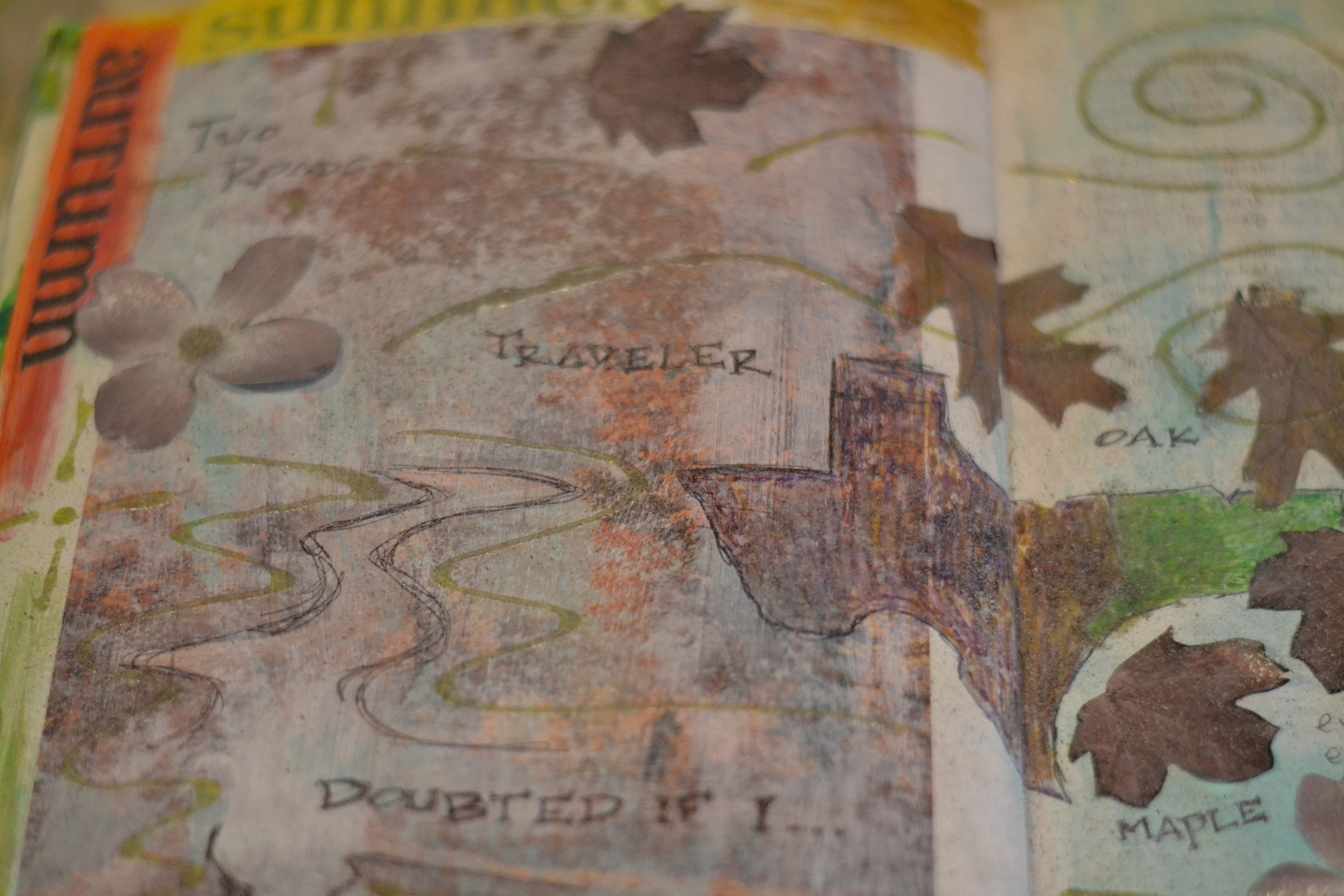
This time I was going to present about how I have my students create altered books.  I chose to do a lecture-type presentation that would last about 25 minutes.  My session was called “Altered Books: Exploration Around a Theme”.  I created my powerpoint.  I gathered all the photos I had from various years.  And, I packed up a bunch of books my students had graciously allowed me to take to NOLA. I created business cards that had my session info and a QR code that linked to all of my information (website, email, twitter accounts, school website, etc.)  I highly suggest this.  It made it so easy to share things with others.  I was even able to give out at other times to teachers I had met during the conference.

qrcode.28456822  qrcode.28456822  qrcode.28456822  qrcode.28456822  qrcode.28456822

To say I was nervous is to put it lightly.  I was nervous I would talk too fast.  I was nervous no one would show up.  I was nervous I would flub.  I sat in the hall outside my room going over my slide show.  I knew the information by heart.  I don’t know why I felt the need to go over it.  It didn’t really calm my nerves.  Then people started to show up, waiting with me outside the room.  They were there for me.  I was starting to calm down.

I finally got in the room to set up.  I began putting the books on the table and it was like a signal went out the art teachers in the room.  They began to swarm the table.  I felt a sense of calm, and my worries melted away.  The room was full of art teachers–way more than I anticipated.  I began my show.  I was steady.  I slipped in my humor.  I talked with pride about my students.  I didn’t rush.

Basically, I felt I rocked it.  Later, during the rest of the weekend, when random people came up to me and said how much they enjoyed my presentation…I knew I had.

I look forward to presenting again.  I already have the wheels turning, trying to decide what I want to present about.

For those that didn’t attend, here are some files from my presentation.  Message me or comment if you have any questions.  I love sharing.

Day to Day in My TAB Classroom

Standard

DSC_0154

A post on my art teacher’s fb page asking about how a TAB classroom works at the high school level got me to searching my blog for a post on how I do it.  I found numerous posts on why I do it, the themes we have used, and organization of my room.  While those are very helpful, they don’t really talk about how my classroom is run–the day to day.

I have said in the past that my classroom is a living entity, and that is as true today as it was when I wrote about it; and it will be true tomorrow and for years to come.  I have to ebb and flow with the needs and wants of my students.  Otherwise, I am taking away something important from the students and not living up to the pedagogy I believe in.

The basics of running my classroom include: introduction of theme, brainstorming, inspiration, demos, time to plan and work, due date, reflection.

  • INTRODUCTION OF THEME:  This is just that…I tell the students the theme.  At the start of a unit, I turn to the kids and tell them the theme. simple. easy.  Themes we have used this year include:  man/machine, interior/exterior, power, pressure, home, environment, light, sound, surrealism, self-portraits.
  • BRAINSTORMING: A few of our themes have not needed brainstorming–like self-portraits.  But, for the most part, we brainstorm as a class.  We are a 1:1 school with MacBooks, so I have the students use a program called Padlet to help them develop ideas.  This helps in several ways…it allows for multiple points of views, it helps to give a voice to those who are shy, and I can link the brainstorm board for those that need to go back and review.
  • INSPIRATION: Currently I am helping my students get some inspiration.  Many of my students haven’t been exposed to much art, so thinking outside of the box is often difficult for them.  I like to help them see what could be possible within a certain theme.  I create pinboards with a myriad of examples for my students.  I hope in the future to change this by having my students find the inspiration and creating the pinboards.  I’m just not there yet.
  • DEMOS: Part of running the TAB classroom includes giving short demos on various materials, tools, techniques for the students.  When I introduce something new, I do a quick 5-8 minute demo and I record it.  I took a page from Apex High School and created my own media portal.  I post all the videos here so students can go back and reference if they were sick or if they need a refresher.
  • TIME TO PLAN AND WORK: The majority of time spent in my classroom is dedicated to this.  At the moment, I don’t require students to plan by sketching or the like because it is not something I always do.  Some students plan on their own, while others don’t.  I am seeing that the reason for this is that they don’t know how.  This is something I am working on and planning on adding in the future (as soon as I figure out how…).  Many of my students experiment as they go, working through ideas and finding solutions–just like many artists do.
  • DUE DATE: I’m going to be honest here, I like having due dates.  I think they are important.  They help to keep my students with wandering minds on-task.  They are important for future endeavors.  I think it is something they have to learn.  I use a soft due date and a hard due date.  There is a week between the two due dates.  Basically, the day after the soft due date I introduce the next theme and we brainstorm.  During that week, those that have finished with the current theme can move on and start planning/working on the new theme; those that need a few more days can finish up working while thinking about what they want to do on the new theme.  I have found the soft/hard due date works for my student population, and it helps keep me in compliance with a few district/campus policies.
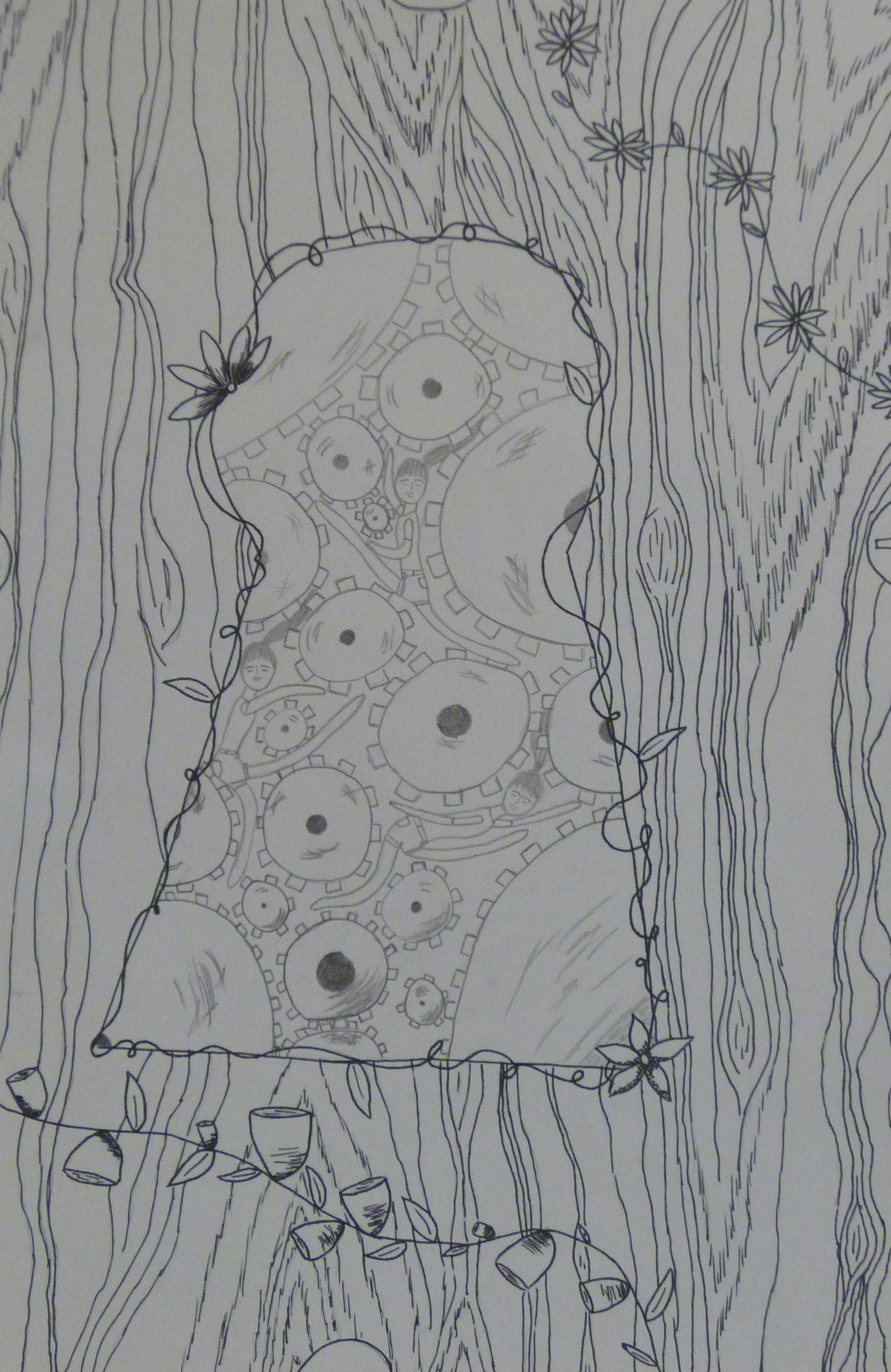
  • REFLECTIONS: During the first semester, each student created a website using Weebly.com.  As a class, we talked about 8 different behaviors that artists have.  Every 2-3 weeks, the students chose 2 behaviors and wrote about how they were or weren’t showing that behavior.  It didn’t matter where they were in the process of an artwork.  It was helpful for them to see that the processes they were going through were what was changing them into artists.  When the second semester started, I introduced the artist statement, and the students reflected at the end of each unit, writing an artist statement about what they just created.  I realized that many were not ready to move on to this and were producing better reflections about themselves and their work talking about the behaviors.  I give them a choice at the end of the unit about how they want to reflect now.

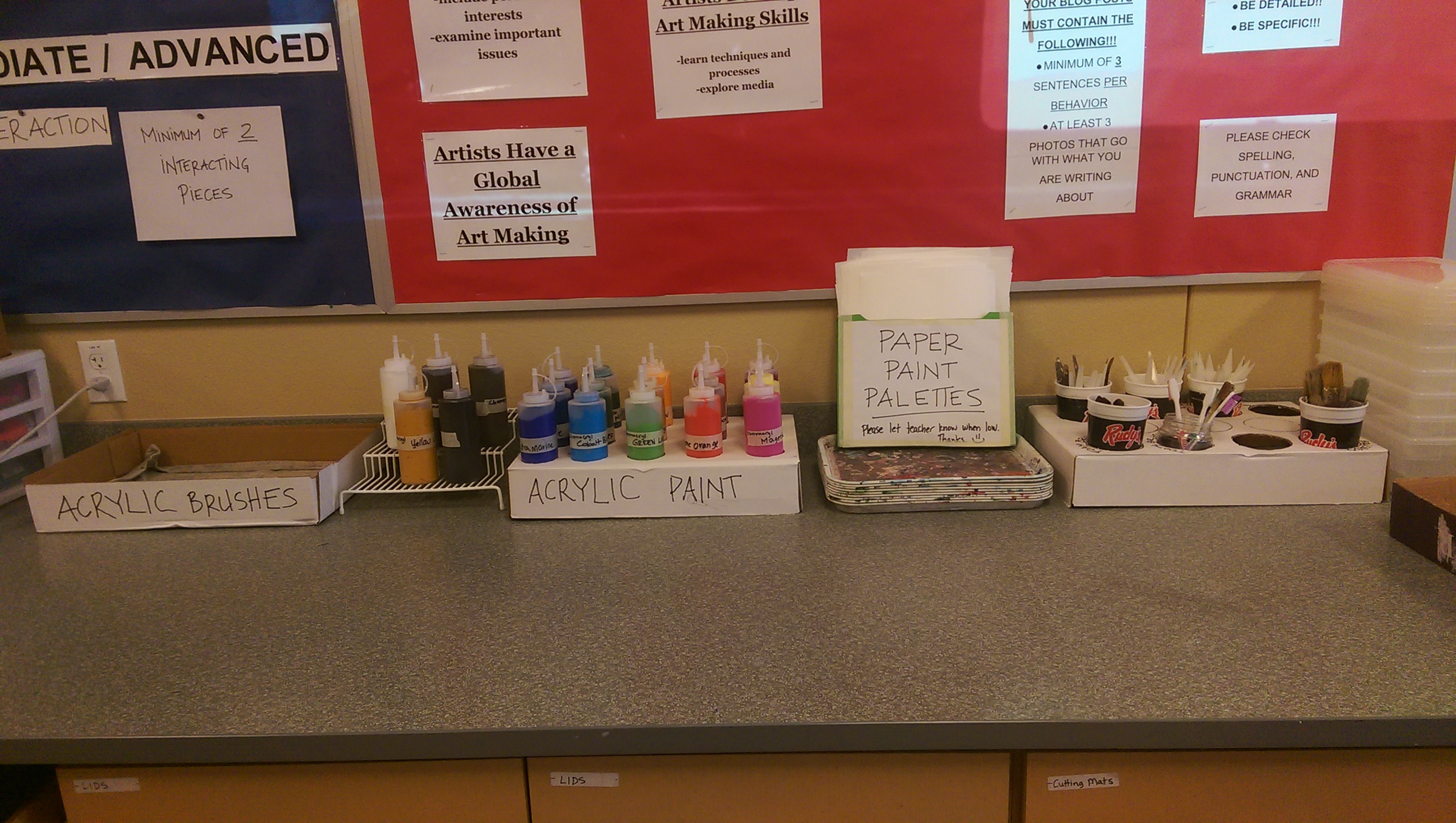
MEDIA CHOICE:  I have set up my classroom so that almost all media is out in the classroom and easily accessible for the students.  We started off the year with b/w drawing media.  From there I added color media.  Next was printmaking, then painting and collage.  Starting in the second semester I opened sculpture and clay.  At this point in the year (10 weeks to go), students are allowed to choose whatever media they want.

I know that not every TAB classroom works like this, but this is what works for my student population and for me.  I hope as I continue with the TAB pedagogy, I am able to allow even more freedom to my students.  I keep a list of running notes of things I think will make it run better next year.  What demos did I miss this year that would have been good?  What if I spent more time on each behavior individually?  How can the students get more out of blogging?  Things like that.

There are never two days alike in my classroom.  In fact, even when I do an intro day, no two classes are ever the same.  It’s a good thing.  It keeps it interesting to me.  It keeps me on my toes.  It keeps me happy.

Let There Be Light?

Standard

Light:    

  1. the natural agent that stimulates sight and makes things visible.  
  2. understanding of a problem or mystery; enlightenment.
  3. (of a color) pale.
  4. of little weight; easy to lift.
  5. gentle or delicate.
  6. (of entertainment) requiring little mental effort; not profound or serious.
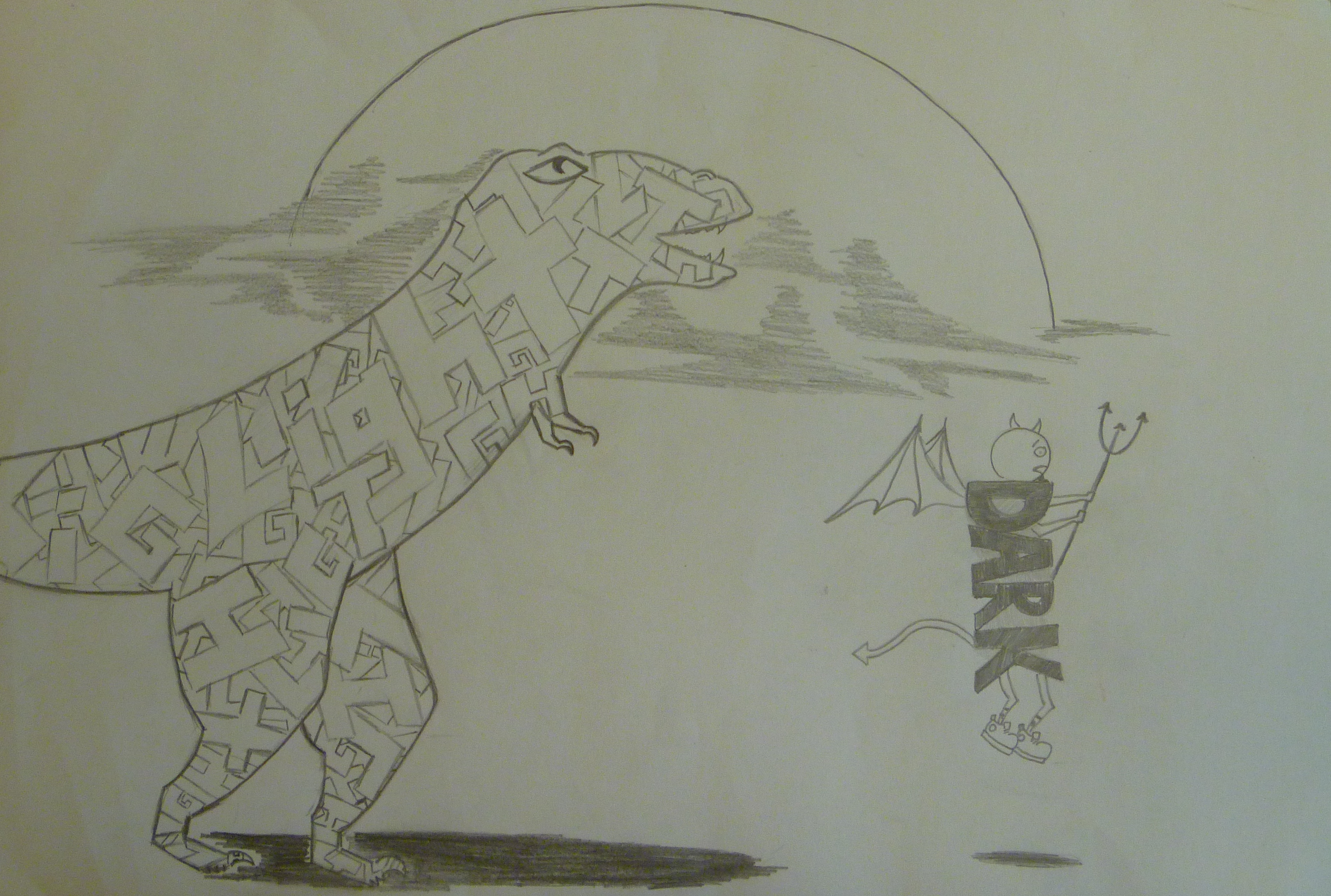
  7. (of persona) good; vs. evil (dark)

This was our theme.  Seems like there could be a myriad of possibilities.  I thought it would be “easier” that our previous theme of “Sound“.  Unfortunately, it was much harder than I thought it would be for my students.
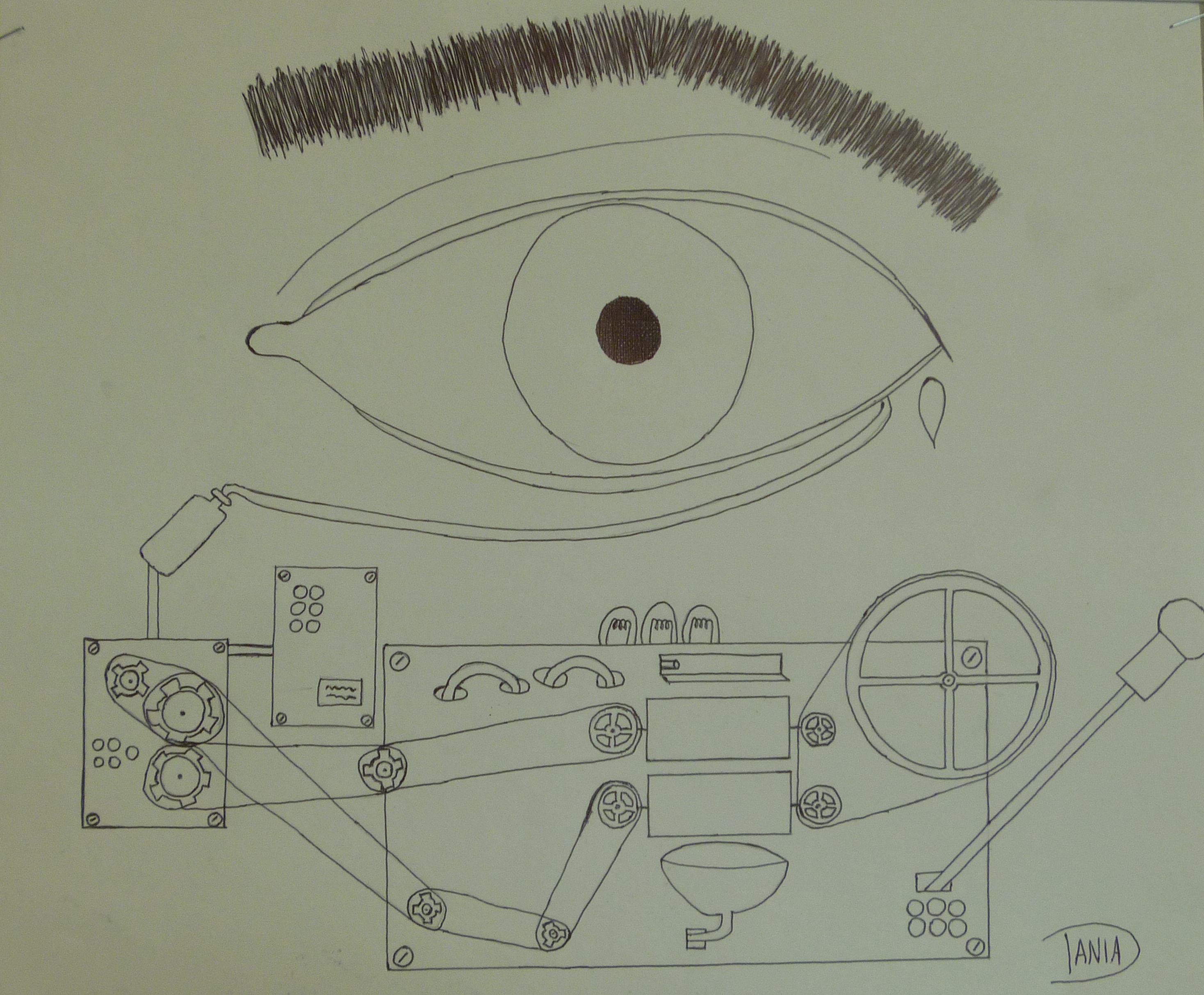
I don’t know if it was the theme or if it is just that time of year.  (To be honest, I have hit that proverbial wall that often shows it face in February as we are just on the cusp of beginning the last 2 marking periods of the school year.  But, I digress.)  While a few knocked it out of the park and had some deep thinking and meaning to their artwork, many just went through the motions.

Not everything that came out of this unit was bad.  It helped me to realize some things about my students, myself, and the atmosphere in the room.  My students need a break from computers.  Enter our next theme of surrealism where they will rely on their minds for ideas.  I need a break.  I know we just returned to school, but I feel like I am about to start up this huge mountain of responsibilities and I won’t get to the top until mid-April.  And, finally, my room has become too comfortable.  It’s a double-edged sword really. It’s what I wanted.  I wanted my students to want to be here.  I wanted my students to want to make art.  I wanted my room to be a living thing.  And it is all of these and it is not all these things.  I don’t know how to explain it.  I like the chaos of art making and several of my classes deliver.  But what I don’t like is just general chaos–which other classes are becoming.

So, see, this unit has brought reflection and thought for me.  This is a good thing.

Here are a few more good things that were brought about by this unit.

P1050806 P1050811 P1050814 P1050837 P1050839 P1050844 P1050874 P1050879 P1050882 P1050913 P1050914 P1050923 P1050925 P1050927 P1050974 P1050978

The Art of Being Observed

Standard

Every year it happens…the official observation that one of your administrators must do so you can be evaluated about how good of a teacher you are.  There is always much discussion on this in teacher groups…no matter what subject you teach. Some teachers are all about the dog and pony show–changing lesson plans or adding in things that wouldn’t normally occur on that day.  Others take a more “I’m just gonna go about my business” type attitude.  This is how I teach, come and get it.  This latter camp is where I fall.

Yes, I choose the day based on what we are doing.  And yes, I try to have my observer come in during my best class.  But other than that, I don’t change a thing.  I try to ask for a date where we might be doing something other than just a complete work day, but if I don’t have one of those, I let the observer know and I roll with it.

I don’t agree with the dog and pony show.  I don’t understand stopping what you are doing to show some “home run” lesson. It doesn’t seem honest and authentic to me.  Why would I want an evaluation that isn’t really based on how I am as a teacher?  If it is not something I do everyday, then it’s not me.  I want to show what it is like in my classroom, every day.  I want to know if there are practices I am doing well or practices that need improvement.

I’ve heard some teachers say they show the admin what they want to see so that admin will just leave the teacher alone the rest of the time to do what they (teacher) thinks is good and what they want to do.  This doesn’t make sense to me either. Why would you want others to think you’re something you aren’t?  If you feel you have to change for an evaluation, why is that?  Are you not comfortable with how you run your classroom?

I had my formal observation last week.  I finally received the evaluation on it today.  It confirmed what I had known, that I was doing good things in my classroom.  She saw the learning and creativity that happens every day in room because we ran the room like we did every day.  Nothing changed.  My students did exactly what I thought they would–the participated, they talked, they joked around, they learned, they made art.  They did that the day before my observation.  And, they did it the day after.

The Importance of Art History?

Standard

Admittedly, art history is probably the weakest area in my teaching.  It is something that I have never had an interest in studying.  It was one of the hardest art courses I took at both colleges I attended.  I have never figured out a way to really make the incorporation into my classes fun, interesting, and worthwhile.

It is an area that I am “supposed” to bring into my classroom.  It is part of the TEKS (Texas Essential Knowledge and Skills) I must adhere to when creating my lesson plans.  I have skated around it for the past 7+ years saying that I add in art history by doing this activity or that activity.  At the beginning, every lesson had an art history component.  I don’t think the kids ever really made the connection between what we were doing and the artist or genre we were “studying”.  In fact, I don’t think they really cared.  Over time, I changed the activity about 7 times…that works out to be some new way to bring it in every year.  I was exhausted.

So, just how important is it that we teach our kids about what came before them?  As an artist, I usually don’t go looking into the past when working.  I am concerned about the now.  When I read about who artists were influenced by, they are usually contemporaries of that artist.  Rarely have I read that an artist was influenced by another artist that came 100 years before them.  This is not to say it doesn’t happen.  I am sure it does…I just haven’t read about it that much.  Many of the artists that I like were/are pushing the envelope of what was occurring at their time or maybe a few years before them…but still to them, contemporary.

So, it is more important that we drone on about the past or that we introduce them to what is happening today?  I lean towards the latter.  I am not dead-set in this opinion.  Convince me that I need to continue to rack my brain figuring out how to incorporate art history more that showing images of artwork that illustrates a theme.  Tell me why–beyond because it is important to learn what came before.  Tell me that it is more important to know these things for something more than being able to answer questions on Jeopardy or Trivia Crack.


“Art needs to be socialised, and you need a lot of context to understand that, and that doesn’t mean having read a few art history books.”                                 ~Peter M. Brant

Best of 2014

Standard

Social convention tells me that as of midnight on December 31st, the year has come to an end.  Even though it feels strange to look back over what seems like 2 years, I do want to celebrate the fabulousness of 2014.

I am in the middle of my 8th year, and quite arguably my best year…yet.  Compared to some, I’ve had quite a calm time during my career.  While I’ve had the same job these 7.5 years, I’ve been through 2 buildings, which means 2 art rooms, 6 different assistant principals, 2 head principals, and 2 superindendents.  Co-workers have come and gone, but some things always remains…the creativity, the fun, the awesomeness, and the memories that all happen in my art room.

Without further ado:

January:

January not only began the new year, it also began a journey going from offering sculpture classes to ceramics classes.  I had been feeling such disconnect in the learning and mastering going on. My principal gave the green light to test it out starting in the 2nd semester.  Here it is, a year later, and I am so glad I did.  The learning and growth the kids are showing is amazing.  Everything I felt was missing from my sculpture classes have surfaced in ceramics.

P1030554 - Version 2


February

February brought the smell that rocked the school.  My sinks had been starting to drain super slow, so I put in a maintenance request.  The plumber came out, thinking it would be an easy fix.  Nope.  He opened up the drain and the sewage smell was horrid!!  It made the entire school smell.  We had to leave for the day and I ended up running my classes from the tables at the front of the school.  We were without water for about a week or so while they waited for the gleco traps to arrive and be installed.  Since then, it has been a great improvement in clay clean-up and the smell in my room. 😉

P1030563P1030559P1030562 running_water


March

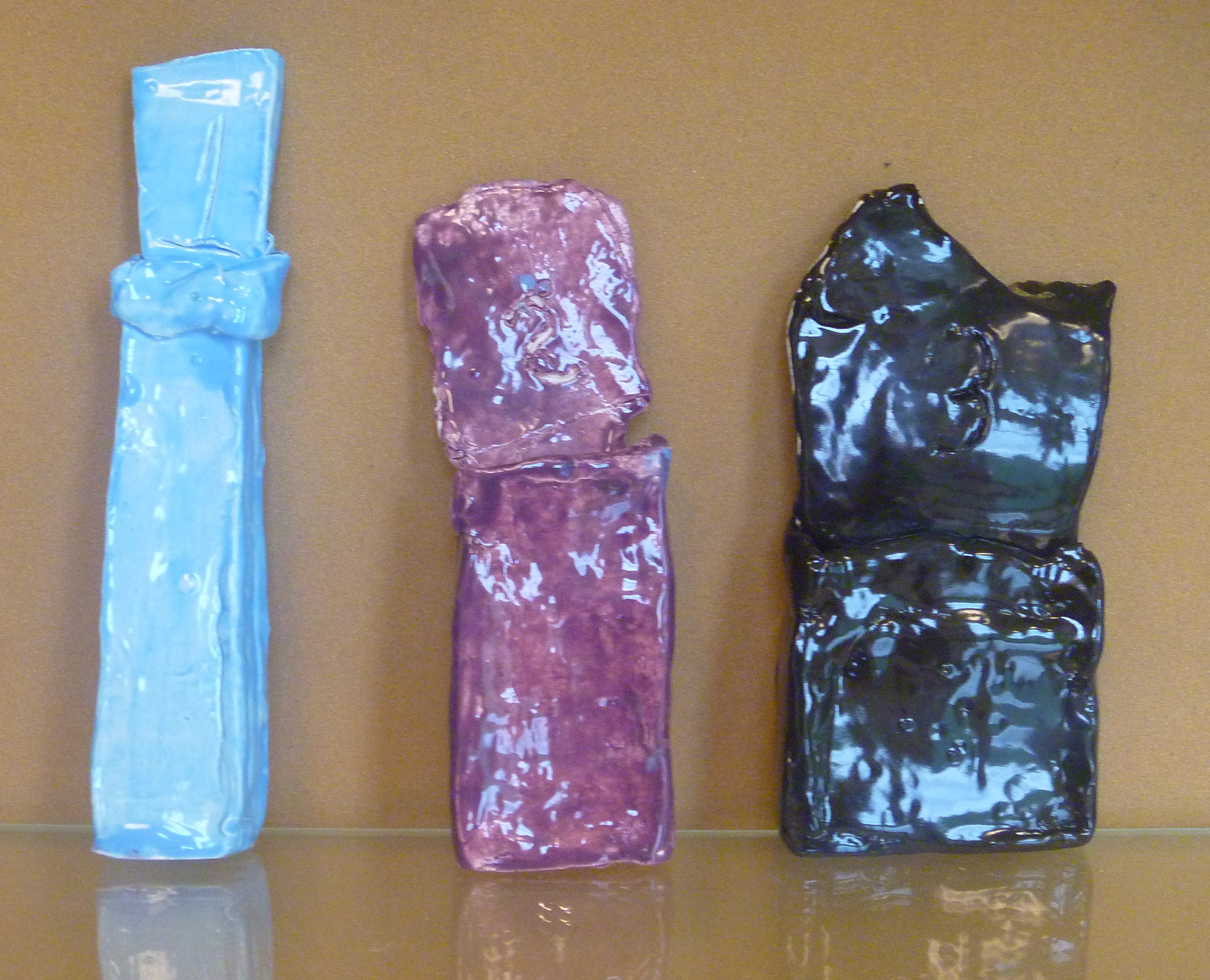
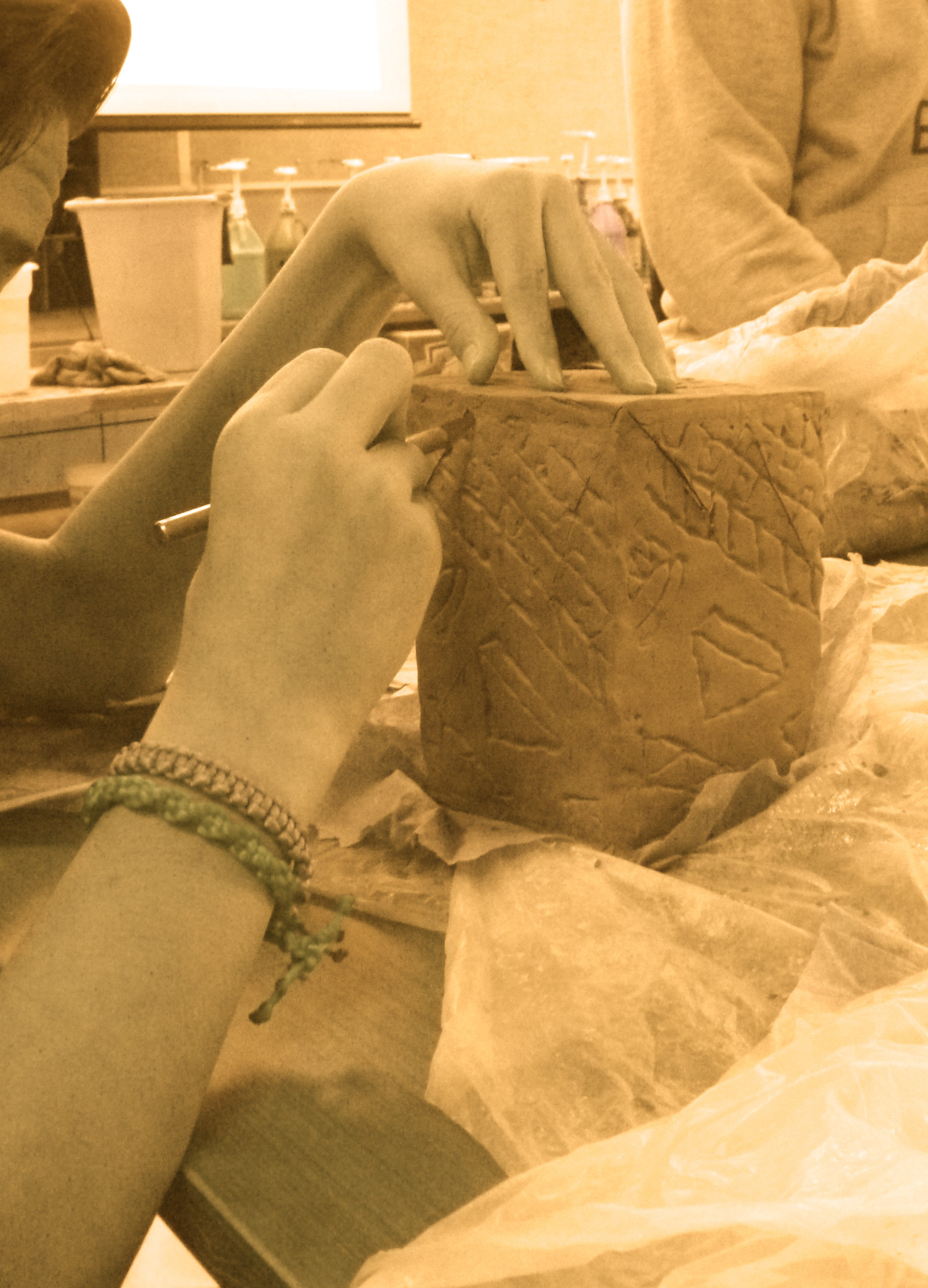
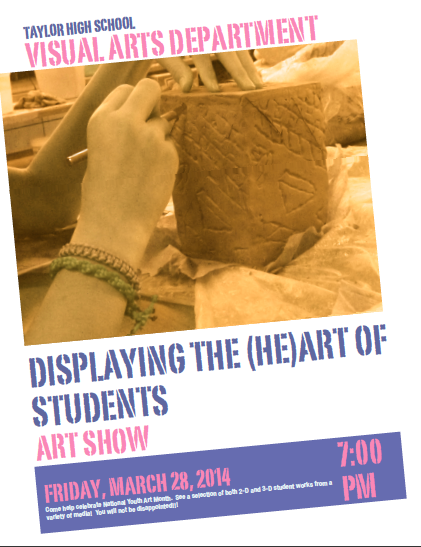
To celebrate Youth Art Month, I put on my first art show at the high school.  In fact, I think it was the first show dedicated to high school art.  We hadn’t had one in the time I had been there, and I didn’t know of there being one prior to my time.  It was a lot more work than I had thought, but it was worth it. Work was included from almost all my students and from many of the students of the other art teacher. Formal invitations were sent to parents.  The culinary students made apps for us.  QR codes showcased a little bit about senior artists.  And the entire first floor was full of amazing 2-D and 3-D work.  It was a huge success!!

Screen shot 2014-03-23 at 1.42.25 PM DSC_0076 DSC_0082 DSC_0106 DSC_0117 DSC_0096


April

3 words: Umlauf Sculpture Garden.  I took my intermediate and advanced students on a field trip to the sculpture garden.  This was a very important trip for us.  None of my students had ever been to a museum.  All of the students, except one, were seniors, so it was a nice way to end the time I had with them.  I had most of them for at least 3 years as students, and a handful for all 4 years.  They had such an amazing time.  It is a trip I will never forget.  #THSSculpture 4 Lyfe!

DSC_0105


May

My favorite memory from May was graduation night.  I walked around the church where graduation was being held and took selfies with all my favorite students.  It was so much fun.  One of my students refused the selfie and had us pose nicely.  I love the pictures of us.  I am so proud of them.  I miss them so much. I know they are off living their lives and becoming better people!


Summer

The summer brought a lot of work for me.  I spent much time researching and building.  I was making the switch to a TAB classroom come September and I wanted to be ready.  I continued my research about running a TAB classroom.  I was able to procure a ton of plastic bins and boxes from a friend who was moving to England.  I build new storage units for supplies.  I made a new website. I did some professional development.  It was a summer jam-packed with all good things.  And, don’t worry…I had some fun relaxing too.

wpid-20140813_103738.jpg20140822_11191620140822_112102wpid-imag0367.jpgwpid-imag0372.jpg


September

I was so nervous in September.  Was I doing the right thing?  Was TAB going to be worth it?  About 2 weeks into our first units, I knew it was right.  Every artwork was different.  Every student was invested. Every student had a voice.  And, it wasn’t the hard work I thought it would be.  Yes I was constantly moving, but it was fun.  I felt so energized at the end of the day.

P1040280 P1040299 P1040303

P1040326P1040288P1040296


October

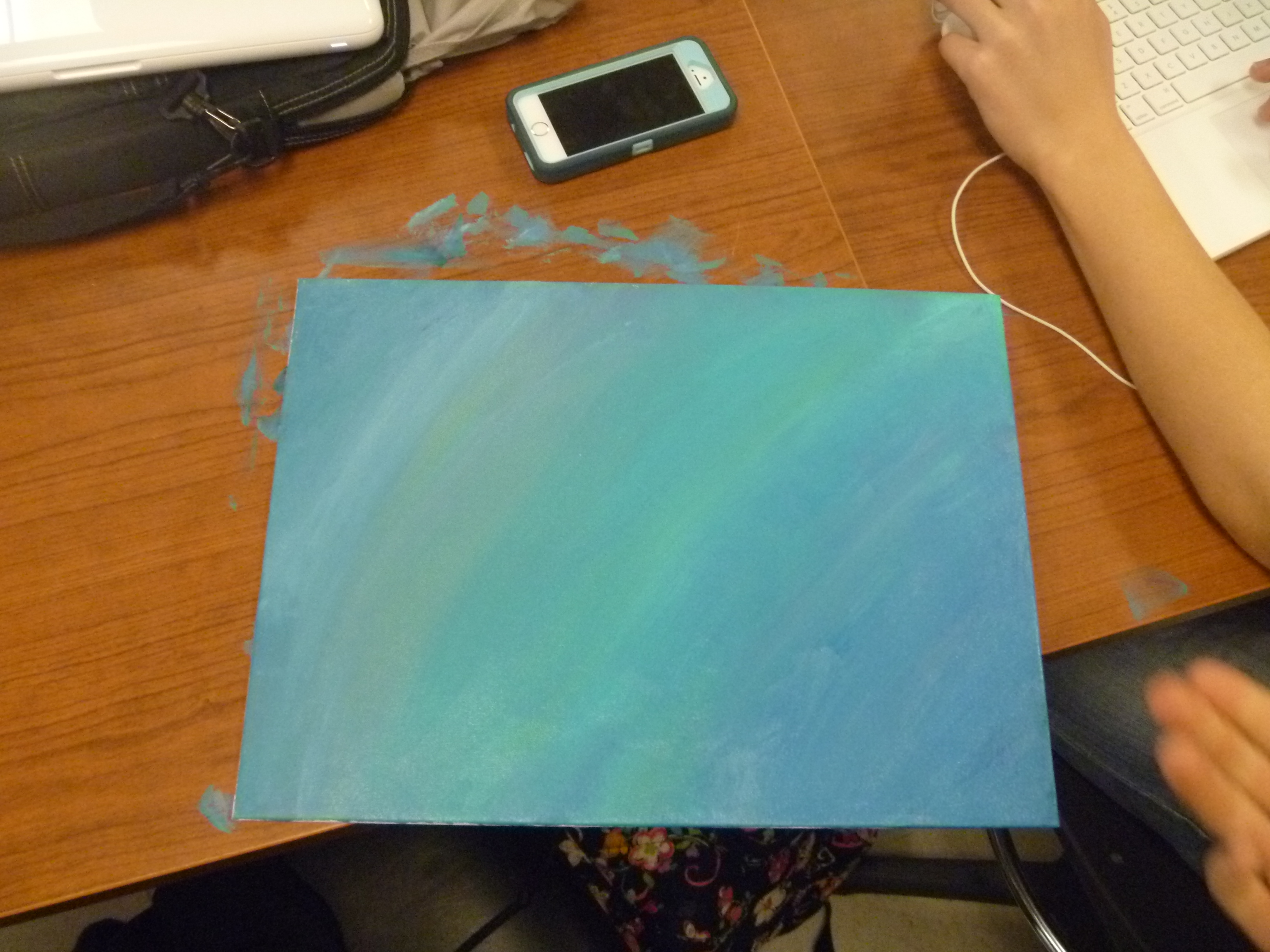
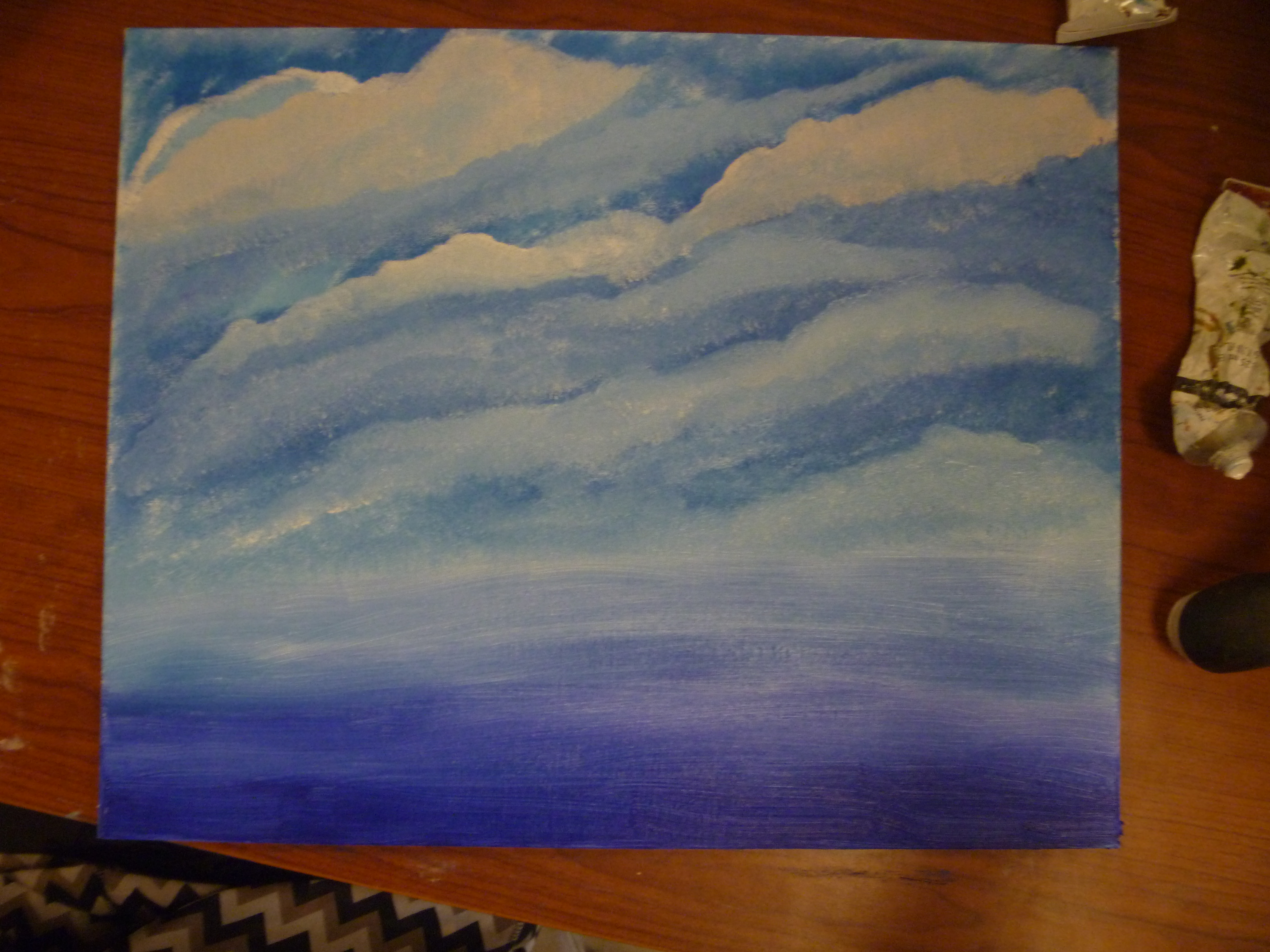
October brought me Donor’s Choose.  I had created a project to help fund canvas boards for my students.  It was funded within a 2 weeks of my creating it.  I am so grateful.  It really helped me to get other supplies for my students.  My kids are going through the canvases–both exploring ways of painting and creating some fabulous pieces along the way.  I again can’t thank my donors enough for what they brought me and my students.

wpid-imag0368.jpgP1040736 P1040779 P1050025


November

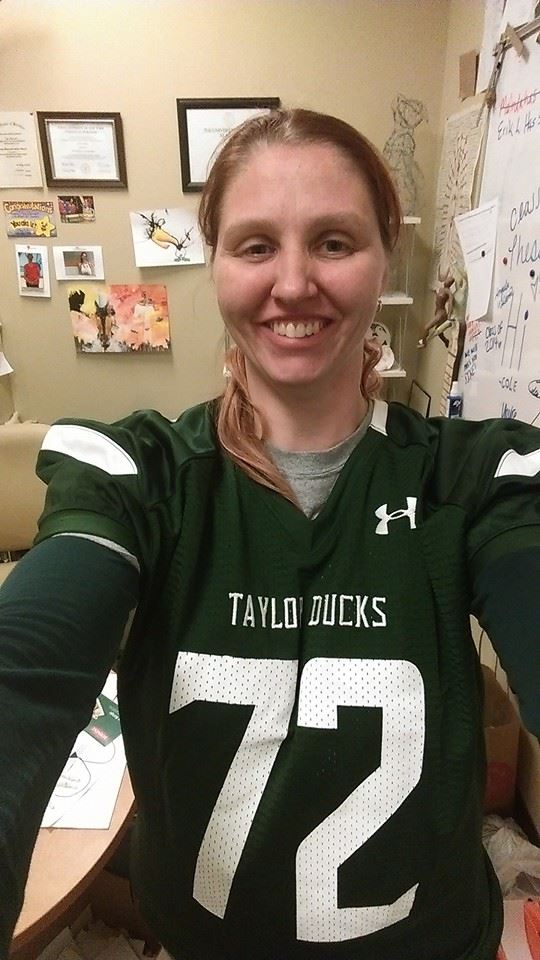
I was honored by the football team in November as their final choice for Teacher of the Week.  I still can’t believe that the guys chose me.  It was an amazing game and I was able to see the boys in a new light.  I still haven’t given the jersey back…I figure I have time until next season.

10406732_10105316807377270_6440602375597769091_n


December

December wrapped up my first semester teaching in a more student-centered direction.  I loved it.  I learned so much this semester and I grew so much.  My students learned so much and grew as artists.  It was/is a win-win situation.  It was the right decision to move forward with TAB, and I have no plans on turning back.  My students think it was the right choice too.  Here is my post about it.


Looking Ahead

I look forward to the new experiences that will occur in my classroom in 2015.  Sculpture will become a choice in Art 1.  Ceramic students will start to be given more choice.  A trip to New Orleans for the NAEA conference–I am presenting to boot.  The 2nd annual art show.  Tears of joy will be shed as this year’s seniors spread their wings to fly.  And so much more.

Choice and the Ceramic Classroom

Standard

As you may know, I have changed the majority of my classes to a TAB/Choice-Based classroom.  And, I love it.  The work is authentic and I feel students are really learning and creating something they are invested in, rather than just going through the motions.

Well, how do I do that in a ceramics class?  That has been an internal issue I have.  I want to bring choice to them, but felt that I couldn’t just jump in.

I did with my intermediate and advanced class, but they are really my guinnie pigs.  I have told them as much too.  There are only 6 kids total in those 2 classes, and 4 of them took beginning ceramics last year. But it was only for a semester, so in reality, they are technically beginners.  It’s a long story.  Anyway, they know the basics and are just given themes to work with.

That is my plan for beginning ceramics…to eventually bring a theme for them to interpret how they see fit and to choose the best building method to carry it out.  But first, I felt they really did need to have some basics.  They needed to learn how to use slabs, how to coil, how to score and use slip.  From there, then they could explore further.

I know many are ready to break free, even though we haven’t covered coil yet.  But, am I ready for them to break free?  There will be some things I will show them as we go along–engobes, slip casting, mold making, the potter’s wheel.

Can I really treat my ceramics class in a similar fashion?  Can I just show them a demo, record it, and have them refer to it later if need be?  Will that be enough? Can they just have a theme to interpret and explore?  I guess after the coil lesson, we will find out.

How Do My Students Feel About Choice?

Standard

If you have read any of my posts, then you know exactly how I feel about Choice in my artroom.  And in case you are new…I love it!!!  Love it, love it, love it.

But all too often we talk about what we as teachers want and how something made us feel or if we made the right decision.  We don’t ask the students, the most important people in our teaching world, what they think.

So, I did just that.  I asked them on their midterm exam what the experience of having choice in their classroom was like.  Here are some responses.

“This effected me a lot because last year we were very limited on the materials we had to use, and we all had to do the same art work in  the same manner everyone was doing it. It was a good idea for you to change it to were we can all do different types of art work but with the same theme, for example we were able to carve, paint, draw, and a lot of types of work. i think that method should stay because you can see what each person likes, and what their good at.”   ~Aharon, art 2 student

“I was really appreciative of the opportunity to get to pick what I wanted to do and how I would do it.  Having little restrictions was really helpful in expanding my creativity and giving me more choices.”    ~Edward, art 2 student

“We had a variety of things to use and how to use them. I personally think that some of the projects shouldn’t have been so optional with such a variety of things. That the assignments shouldn’t have been so open to do what those of such wanted. Some should of been open to pick to choose their material used, but some also should of been told what to use and work with that and grow on that to know how to use it and get used to using it. When starting a project it took me awhile to pick what I wanted to do and what I wanted to use due to all the options we had. I am the type of person that I’m more comfortable to be told what to use and then go from there. So it was a challenge adjusting but I got it done. ”  ~Kalisha, art 1 student

“I liked the new way of teaching/learning you introduced because it gave me a lot of liberties. In my school (in Germany) we have more defaults and the pictures look similar. Here everybody can draw and interpret the theme his/her own way. That way everybody draws something different and unique.”  ~Dania, art 1 foreign exchange student

“I felt like it really effected me because if you wouldn’t have given us the choice to really be creative i wouldn’t really try and make something really boring just something easy. I feel like it honestly did help me because i am actually interested and feel like i could do something with my art one day in the future. I am honestly really happy i stayed in this class and you gave me freedom because without that i probably wouldn’t see how much i enjoy art and really see i can do a good job when i put actual effort into it.”  ~Casey, art 1 student

“I loved that we got to choose what our artwork was this year. It’s given me a lot more freedom and has actually made me care about my artwork because I’m doing what I want to do, instead of something that i have no connection to.”  ~Ryan, Art 2 student

“This was effective to me by, letting me use the things that i needed and allowing me to have the things i need to make my artwork be great, and make it to where i don’t just slap something on a piece of paper and turn it in. I can actually give it character.”  ~Zoe, art 1 student

“I remember last year in ceramics when we had to make a certain piece, but use the method our art teacher wanted us to use. This year, we have theme that our pieces must revolve around, and we may use which ever method of building we like. Personally, I love this new method our teacher has been using for this year. I feel this allows us to continue to use a method we enjoy and focus on improving our skills using that method. Instead of constantly changing which method we have to use and using a method some students might dislike more than others. For example, say we are assigned to make usable containers, one student could use the slab method while another might use coils. There could also be a student who wants to use his or her own method to build a container. They each can find a way they like to sculpt and continue to learn more and more about whatever method they choose. We also have the privilege to try and improve our skill in a method we are not yet comfortable with.”  ~Joseph, intermediate ceramics student

Far and wide, almost all of my students (with the exception of beginning ceramics because I have not moved that class to choice…yet–it is coming next semester) really like having the choice.  They like being able to experiment and try new things and start over with another medium when the first they chose isn’t working.  They like being able to interpret themes as they wish.

I appreciate Kalisha’s perspective as well.  I know for some it is really hard to not be told how to do something, especially when you have been told how to do it for most of your young life.  She is a fabulous artist who spends time thinking about how she will interpret things and trying new mediums.  She works hard and has created some fabulous work.  I think that one day she might change her mind about having such freedom because from my perspective, it is working for her.

For more reading my students’ responses, go here.  I would also like to thank the teachers of Apex High School (for the umpteenth time) for sharing what they have done in their TAB classrooms.  I “stole” their exam questions to use with my students.


Under Pressure

Standard

I just had to put that as a title.  However, my students were not under any pressure.  Pressure was the latest theme for my Art 2: Painting/Drawing students.  This was an interesting theme.  The students had some wonderful ideas, but a few just never hit the mark.

I added into the mix printmaking–both collograph and block.  I also addedpainting–watercolors (paints and pencils) and acrylics.  Funny thing was, almost every student chose to use block printing.  I asked them about it after the fact and some said they really liked the carving aspect, but some said they thought they had to do block prints.  I looked at them with a questioning look on my face.  We discussed, again, that they could use any medium they wanted for their work.  Hopefully they get that now.  I am unsure what I said or did for them to get that impression.

I have 6 life skill students in my class.  Most of them chose to do block prints.  I want to highlight Noah’s.  While I am sure that what he did had no ties to pressure, I love this piece.  He has been scribbling since day one and he has developed so much.  I love this piece.

P1040856

This next piece is also by a life skills student.  Deven is one of my more advanced LS kids.  He plays football and much of his work is centered on it.  His pressure piece is no exception.

P1040868

This piece had so much potential when I talked with this student.  We talked about the pressure from people looking at us and watching us.  I think the execution missed the mark.

P1040861

The rest are pieces that are super successful.  These are my favorites from the group.

P1040860 P1040866 P1040858 P1040855 P1040854 P1040852 P1040851