I have been teaching ceramics classes for about 4 years now. And before that I taught sculpture classes and we would always have at least 2 projects with clay during those classes. Now, as students work, clay dries out and because “unusable” for awhile. Clay dries out because as you work with it, you hands and the air take out the moisture, kids build things that they don’t want or need, they fail to wrap up their pieces correctly and instead of trying to work with it, they move on, or they rip holes in the bags that hold the clay. So, due to all of these reasons, I have a ton of extra clay. Seriously…it is just so.much.clay.
Normally, I reconstitute my clay by putting the pieces in a 5 gallon bucket and then fill the bucket with water. Eventually the clay softens and becomes slurry-like. From there, I pull some out, put it on a plaster bat, and let it dry enough so I can wedge the clay back into a usable form for my students. Quite frankly, this is a pain in the ass. I hate wedging with a passion. It reminds me how weak and out of shape I am. Not to mention it is time consuming.
Recently it was brought to my attention that our district has a grant program. I thought great, I can apply for a grant, talk to the principal to see if the district will help with the cost, and add in the money that ceramics club has raised, and with all that I can purchase a pugmill to help me on my “mission” to get all this dried clay usable again. I asked a group of potters on a Facebook group I am part of for a pugmill recommendation. That is when a woman told me this method of reconstituting I had never heard of.
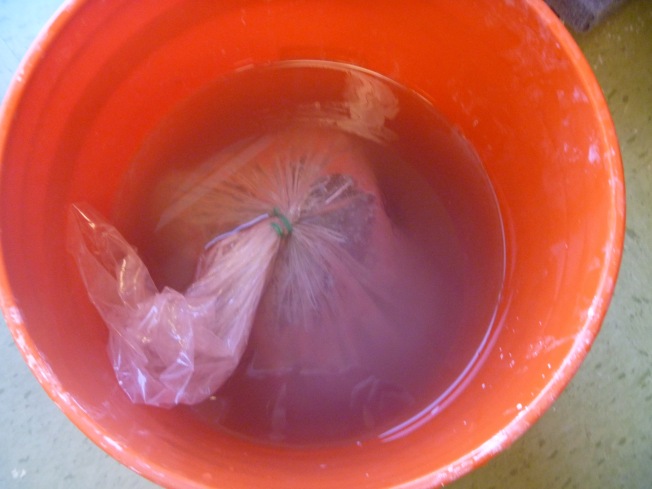
She told me to put no more than 2 cups of water into the bag with the dried out clay. Next put the clay bag in a big bucket–like a 5 gallon one, and fill the bucket with water until the bag of clay is covered. Finally, let it sit for a week or so. The theory is the pressure from the water outside of the bag will push the water in the bag back into the clay and soften the clay so it can be used again. I’m gonna be honest here, I was a little skeptical. But, I did it anyway.
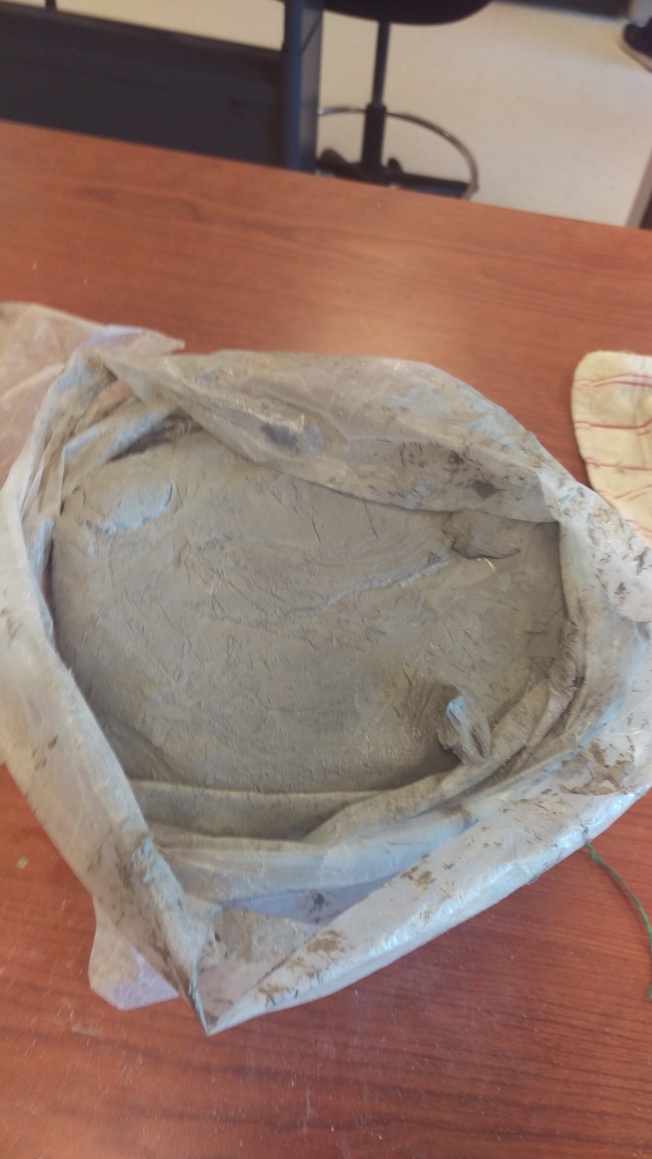
Well, after about 5 days I checked the bucket. Almost all of the water I had put into the bag was gone…it had soaked into the clay. I took the bag out of the bucket and opened to see what the clay felt like. It was a little slimy on the outside, but the clay it self was wet all the way through. It was as if it was brand new from the store. And bonus, because this was a bag of clay that was solid and not a bunch of pieces left over, I don’t have to wedge it. I was able to re-bag it and put it with the other clay for my students to use.
I am so excited that this worked. I went through all my clay and pulled all the bags where the clay was one big giant block like this and put them aside. I loaded up my bucket with a new block and water, and in a week I hope to have another bag ready to go. I still have the other buckets with scraps the kids create, and that will have to wedged, but this new method will really help me out, and I can save the ceramic club’s money for something more fun for us to use it on.
There’s been a lot of talk lately on all the art related Facebook groups I am a part of. I mean, it is a subject art teachers discuss a lot, but in the past few weeks the conversation has been longer and more engaging. We have been discussing grades vs. assessment, participation vs. engagement, eliminating grades all together, how the high school GPA would be affected, is it even possible to not give a grade at the high school level, and much more. It is enough to make your head explode…and it’s beginning to make mine explode.
Grading and assessment is always on my radar. I wrote about my assessment model in this post earlier this year. I even presented on the model at the AOE 2016 Winter Conference stating how we as teachers need to grade less on compliance and instead create meaningful assessment. So it is easy to understand why all this talk about grading has caused the wheels in my head to go into overdrive. I began to look closely at what I am currently doing, what it means, and how could I change it? I wish it was as simple as deciding I won’t grade anymore, but because there are so many facets to all this, it’s not. In this current education model we are in, as a high school teacher with parents that expect grades, colleges that look at GPA to determine a student’s acceptance to their school, a UIL board that requires passing grades to play and compete, and students who are motivated by them, I HAVE to provide a grade.
Currently I give a mixture of completion grades and grades(numbers that are perhaps arbitrarily assigned) that reflect artistic behavior/growth assessments. I find that the assessment feedback is important to my students and their artistic growth. I want to continue to provide that to them, but I hate that I have to translate that feedback into a numerical grade. However, the assessments boil down to only doling out a few grades…many less than the amount my district “requires”. That’s where the completion grades come in. But, do those grades really show anything other than the fact that a student completed an assignment?
And then all the “WHAT IFS….?” start to walk in. What if I pushed? How far could I go? What if I just stopped caring and gave everyone a 100–what would that do to my classes and the “importance” of them? What if I gave the minimum amount of grades I get away with giving, would I get a stern talking to? Would all this change the student input/output in my classes?
I don’t have the answers. I have been creating some sketchnotes to work out my thoughts. I am on a mission to figure this out before next August when school starts again. Yes I know that is 7 months away, but this isn’t an easy issue. Like I said, there are so many facets I have to take into account: district requirements, local admin expectations, parent expectations, student motivation, UIL guidelines, coaches needs, pass to play, meaningful grades, assessment v. completion, and ultimately, what I believe the purpose of the grade in my class should be. That is the ultimate question that I just can’t answer………….yet.
Every year, the Art of Education has a Art Ed Blog of the Year contest. Some of my mentors have been winners in the past. This year, I am pleased to announce that my blog, Art Class by Mrs. B, has not only been nominated, but is a finalist in the competition this year.
So, if you think my blog is all that and a bag of chips, it would be much appreciated if you took a moment to vote for it. VOTE
I love sharing, and I love that you take the time to read my blog. Thanks for reading and thank you for all the support.
I know it has been over a month and a half since I last wrote, but it’s kind of been the same old, same old in my classroom. But, as the new year and the new semester began, I have many new ideas and things I am trying out with my students. And, I am going to start with a new to me way of exploring. I did an activity similar to what fellow TAB teacher Cynthia Gaub does called Around the Room. I changed it to Exploration around the room: collage and mixed media.
Art 1 jumped right back in when returning from our winter break. They had new media and techniques to explore and I wanted them to have a new way to explore them.
So, I lined the counters with some large sheets of paper and place a ton of items out for them to explore with: plexi, excess pieces of laminate, and plastic bags for monoprints, cardboard and styrofoam for printmaking, bubble wrap, flowers, feathers, spools, and a plethora of other items for stamping.
I gave a brief introduction outlining part 1 of our exploration activity and then let them go on their way to create some new textures and backgrounds. At first some were hesitant, but by day 2, they were comfortable and trying new ways of printing with the different methods and objects.
Once we were done exploring stamping and printmaking, we learned about collage and mixed media. Students were then challenged to take what they had made during their exploration and to use them in someway…either as the ground for a new artwork to be placed on top or as paper to be cut up and used in a collage.
Once the students finished with their exploration artwork, the students reflected on what they learned through a technique exploration blog post.
Here are some of the fabulous practice works the students created.
This slideshow requires JavaScript.
I have a few tweaks to make, but I like this way of exploration. I want to combine it with the other methods I use. Not sure how I am going to do that yet, but it will come to me.
This past Saturday, I drove the long 4 hour drive from my house to Galveston to attend TAEA’s (Texas Art Ed Assoc.) 2015 state conference to present about TAB in my classroom for the HS Division Meeting. It was a long and tiring drive, but I made it on time and rocked my presentation.
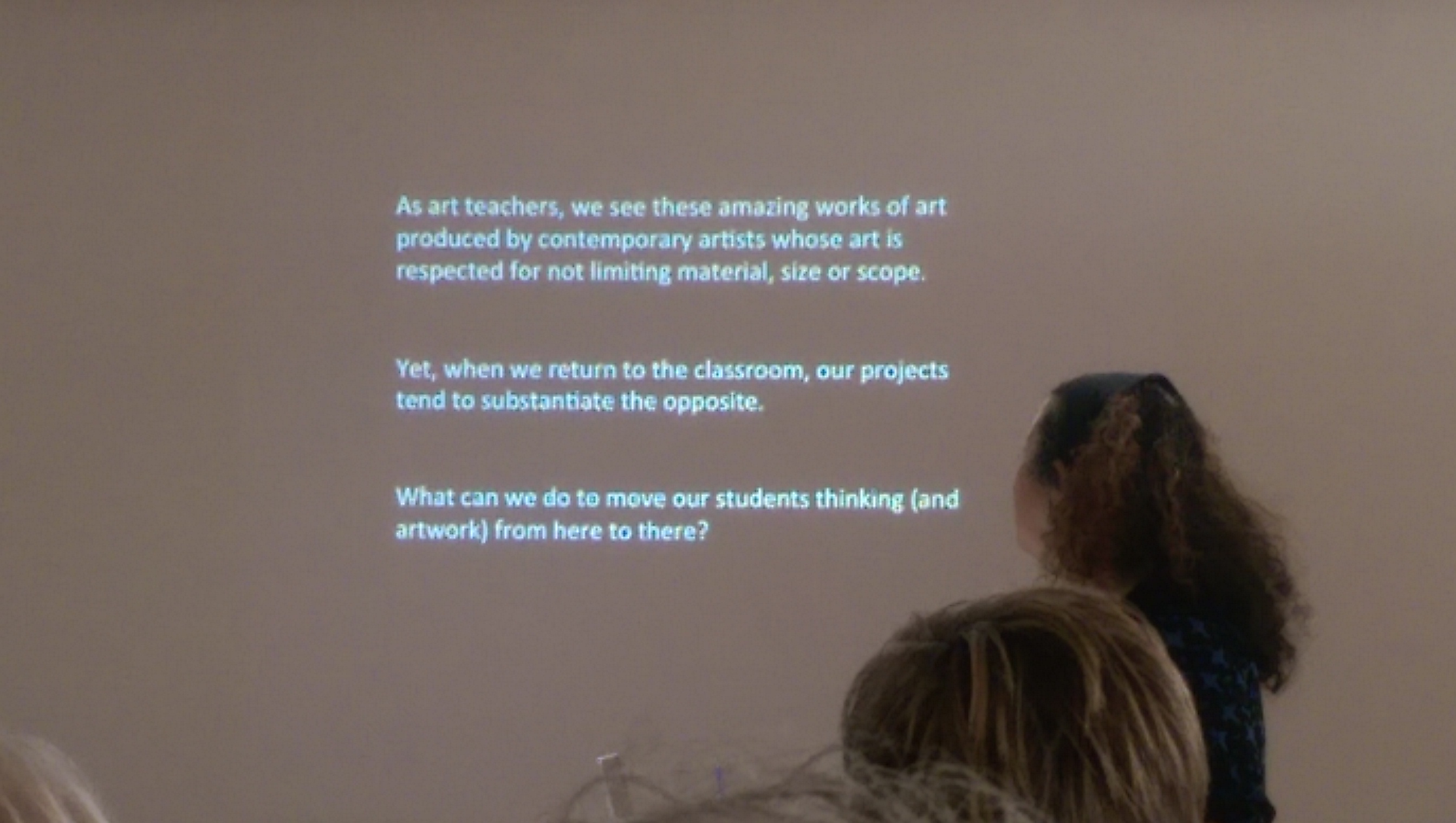
After the meeting, I went to a couple of sessions. I am sad to say I only attended 3 sessions because most of the sessions didn’t really interest me, but that doesn’t mean I didn’t get anything out of the conference. In fact, I was left with some burning questions regarding what we, we as art teachers, art supporters, administration, and society, deem as “the best of the best” in student art.
If you have ever been to a state conference you know there is a large expo area with vendors peddling their wares to all who pass by. At TAEA conferences, there is a section of the area where student art is displayed. In this display are the gold seal winners of the Texas state VASE contest. (Visual Arts Scholastic Event). As I wandered around the padded display panels and looked over the 2-D art, I began to notice something that started to bother me. All the winners were “the same”. They all were highly rendered, realistic looking, self-portraits that were cropped closely and usually had some sense of foreshortening. There were a few prints and expressive pieces sprinkled in, along with some photographs, but at least 80% were these self-portrait drawings.
A few hours later, after a wonderful keynote from Roy Wooley, I attended one last session before starting the long drive home. This session was about creativity. Within the first 5 minutes, the presenter, Samuel Thomas, had me hooked. He brought up something I had been contemplating earlier that day…the highly rendered, realistic portraits that win these contests and their complete difference from what art is being made and shown in galleries today. Todays artists are pushing the boundaries and thinking in the most abstract ways, bringing in unusual/non-traditional materials to create these thought provoking artworks.
This session left me with more questions. Why do we not see these types of drawings that are winning our contests in galleries? Why do we value these kinds of artworks from our students and not push them to think differently? Why is being able to specifically point out and talk about the elements and principles in VASE interviews so important? (This is something I learned in my first session of the day about preparing for the VASE interview.) Why are teachers pressured to enter these contests that really focus on this type of artwork and not commended for having their students think and making provocative work?
As an artist, teacher, and art audience member, I was more impressed and more interested in the sculptures that tackled issues and created conversation, and the paintings and drawings created with expressive marks. While I appreciate the skill and patience that goes into these drawings, I think highly rendered realism is overrated, and a bit boring. Just take a picture.
I am curious as to why this is. Why is realism so celebrated? Why are we not “pushing” are students in a different direction? Why the disparity between high school art and contemporary art?
I do want to close by saying that I am hopeful that a change can happen. Remember that creativity session I went to? The presenter did mention this artwork that was submitted in an AP.
Mateo Nava DESIGN AND ARCHITECTURE SENIOR HIGH SCHOOL Miami, FL Site-specific performance; soil, muslin, wooden pedestal, shovel, shirt, pants untitled Dimensions vary with performance and installation phase
Granted it was a 3-D piece, but still…..I am hopeful.
**Added Addendum**
It has come to my attention that my piece is attacking on VASE and the teachers whose students win this contest. That was not my intention. I sighted VASE and their winning artworks because that is what I saw at the convention and what caused the questions I left the conference with. For quite some time I have had issue with realism and society’s celebration of it. I do apologize for offending anyone or their art program that has won awards from VASE.
There has been a lot of debate recently about what is important in an art class. What should we, as art teachers, be teaching our students? Is it enough to just teach skills? How important is it to be able to recognize the Mona Lisa or Starry Night?
Do we just want “good-looking” artwork to hang in the hall? Is it important that we, our program, be know for our students winning art contests?
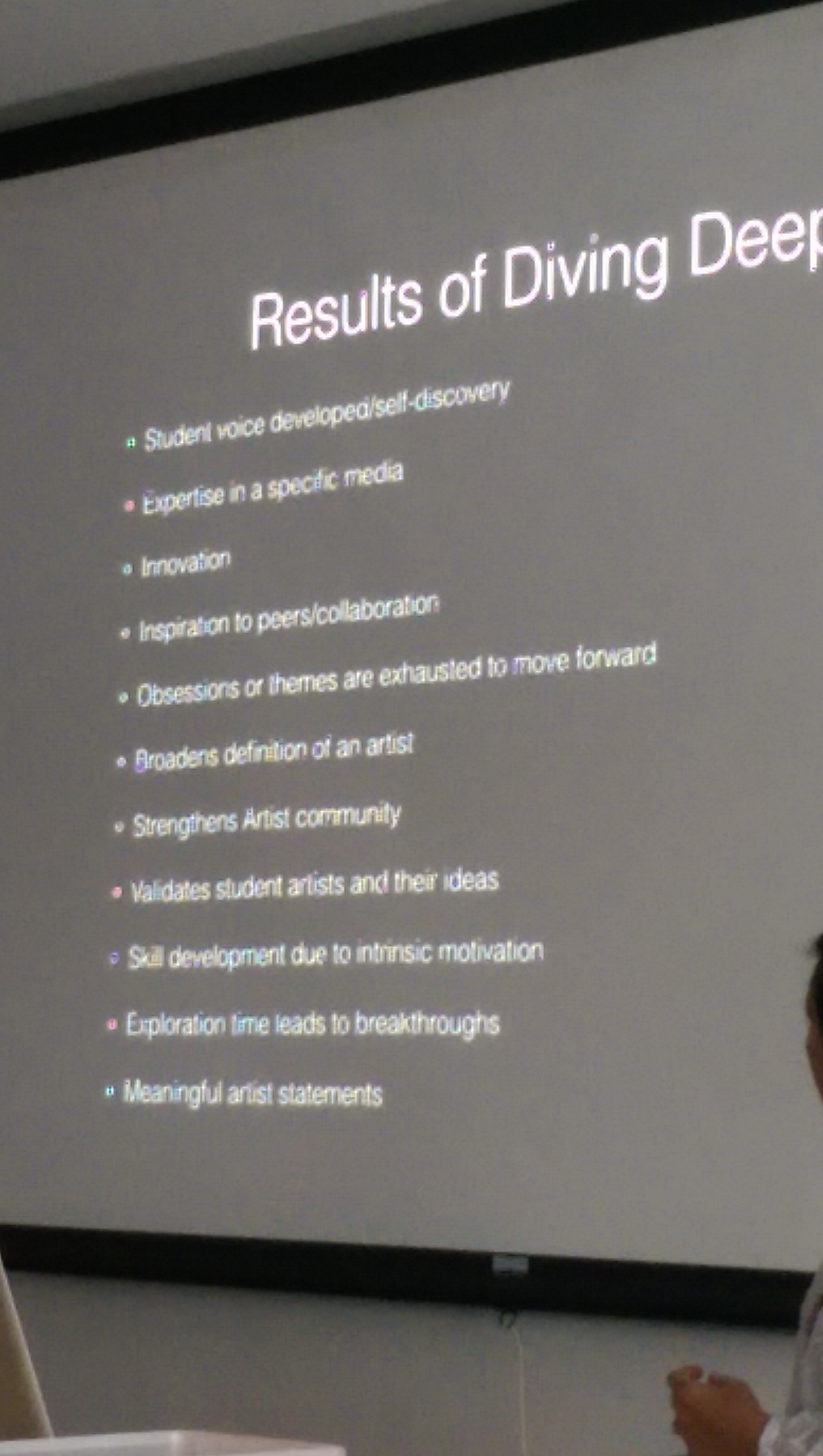
Or, do we want students who can think? Do we want students that create THEIR own work, and not the work conceive by the teacher? Should students be able to include their interests in their art making? Is it important that students be able to go through the process…from conception, through research, revision, reflection, and to the final product? And, how important, in a school setting, is the final product?
I think all of these things are important, but some more important than others. While yes I want a good looking display in my hallway, I would sacrifice that for meaningful work that was authentic to students and their interests over something I wanted them to create. And, yes I want them to recognize important works of art, but for what reason really do they need to know that? Can they be intelligent without knowing what those paintings looked like? Can they be great thinkers and inventors? I mean, unless they are going on a game show anytime soon, should it be at the top of my priority list?
When it comes to skills, yes, they are important, and YES I TEACH SKILLS. But, for me skills are just one part of the whole artist. You made be a wiz with a pair of scissors, but if you don’t know what to create with those scissors without someone telling you, then what’s the point?
I want my students to leave my class as thinkers. I want them to be able to go through a process from beginning to end. I want them to be able to problem solve and take risks, I want them to know what failure is and how they can learn from that. I want them to push limits and to look within themselves. I want them to be able to see all this in themselves, and in others. I think if you just focus on skills and what the teacher directs the students to create, you are limiting your students and their potential.
That is what is important to me and that is why I follow the TAB philosophy. What is important to you?
One of my goals this year was to have my students really understand the artistic behaviors. I thought last year the students were looking at them only on the surface. I want a deeper understanding for them this year as I feel the behaviors I use are important, not only for growing as an artist, but they are things that can be transferred to other aspects of their academic and their personal lives.
One way I am stressing the artistic behaviors and thinking like an artist is that I will be assessing my students based on the process/behaviors they show in class, not on the physical artwork they create. Here is the rubric I created based on the artistic behaviors. I wrote more about it here.
I wanted my students to be introduced to the 9 Artistic Behaviors before we jumped into creating art. But, I didn’t just want to do a power point on them. I wanted something more to go along with each behavior. That’s how I came up with my Artistic Behavior Boot Camp. In this boot camp, we would spend about a week and a half being introduced to the behaviors. As a class, we would do an activity. Then the students would be given a reflection sheet where they were asked to look through the artistic behaviors that are listed on their sheet and posted on the wall (with a brief description under each), and choose which behavior they thought the activity best connected to. They had to say why they felt that way, what they learned from the activity, and how they thought it connected to being an artist.
THE BEHAVIORS AND THEIR ACTIVITIES
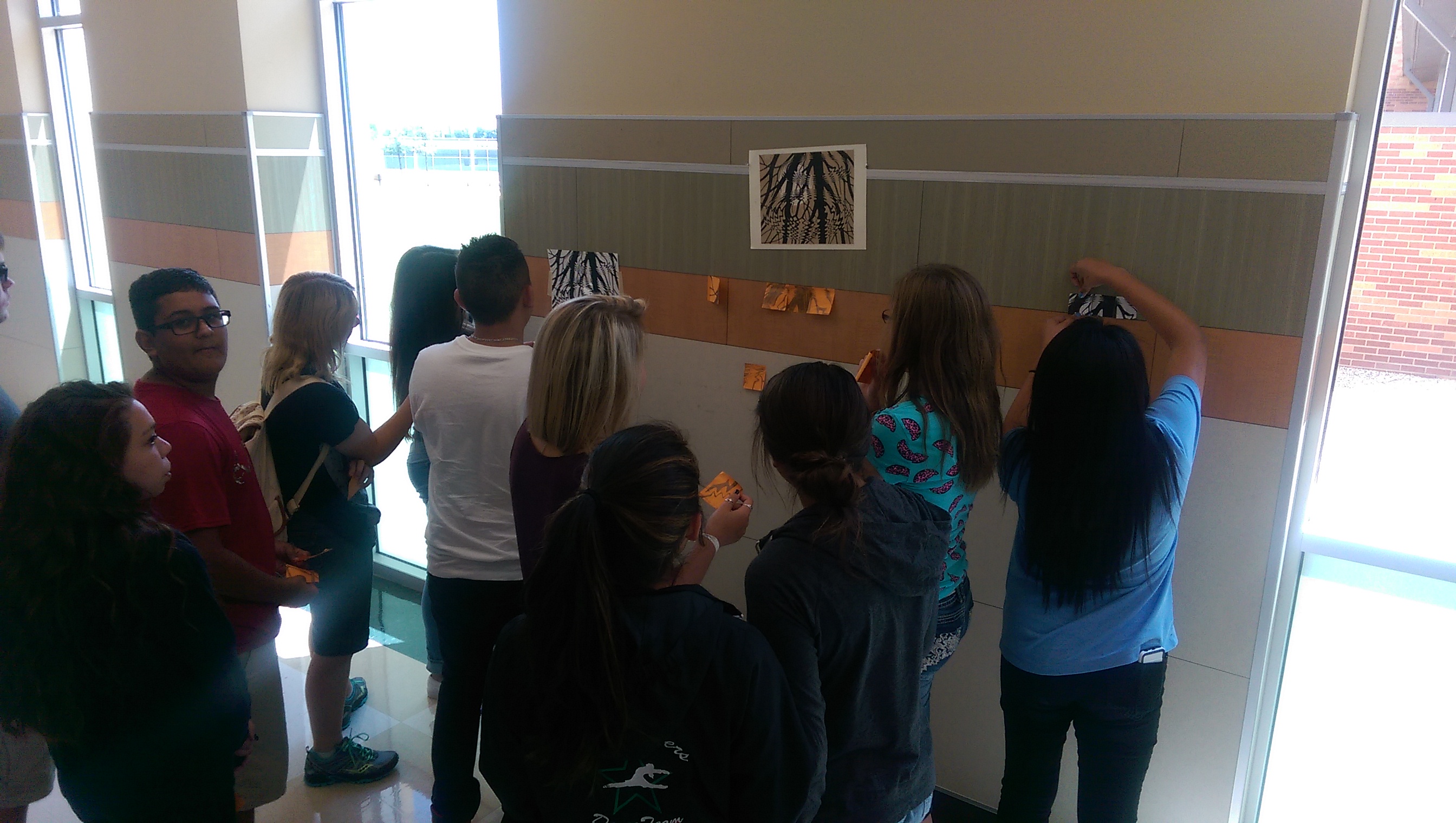
Artists Collaborate: In this activity, I copied an MC Escher print I had and cut the print into 2″x 2″ squares. I handed the students a square and a 3″x 3″ post-it. The students had to transfer their piece to the post-it and then go in the hall and assemble the puzzle. In hindsight, I chose a very hard image to work from. I know better for next year.
M.C. Escher, “Reflection”, 1950, linocut printed from two blocks, 26 x 32 cm.
Artists Solve Problems: I had lots of ideas for this activity. In the end I decided to show the Ted Talk “Embrace the Shake” about artist Phil Hansen.
Artists Take Risks: I had stumbled upon this video we ended up calling the “Baby George Video”. It was short, but I think the message was super clear.
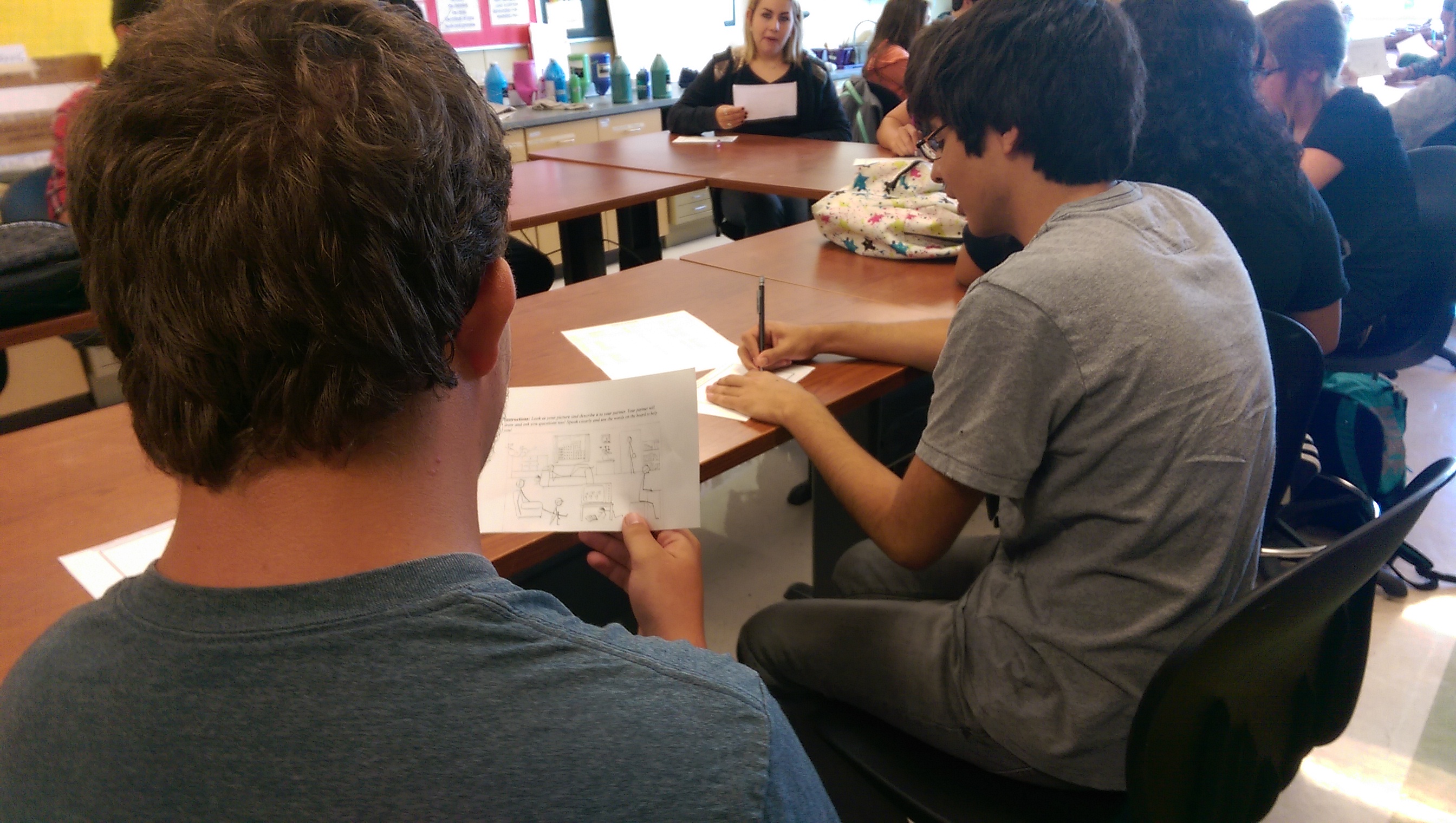
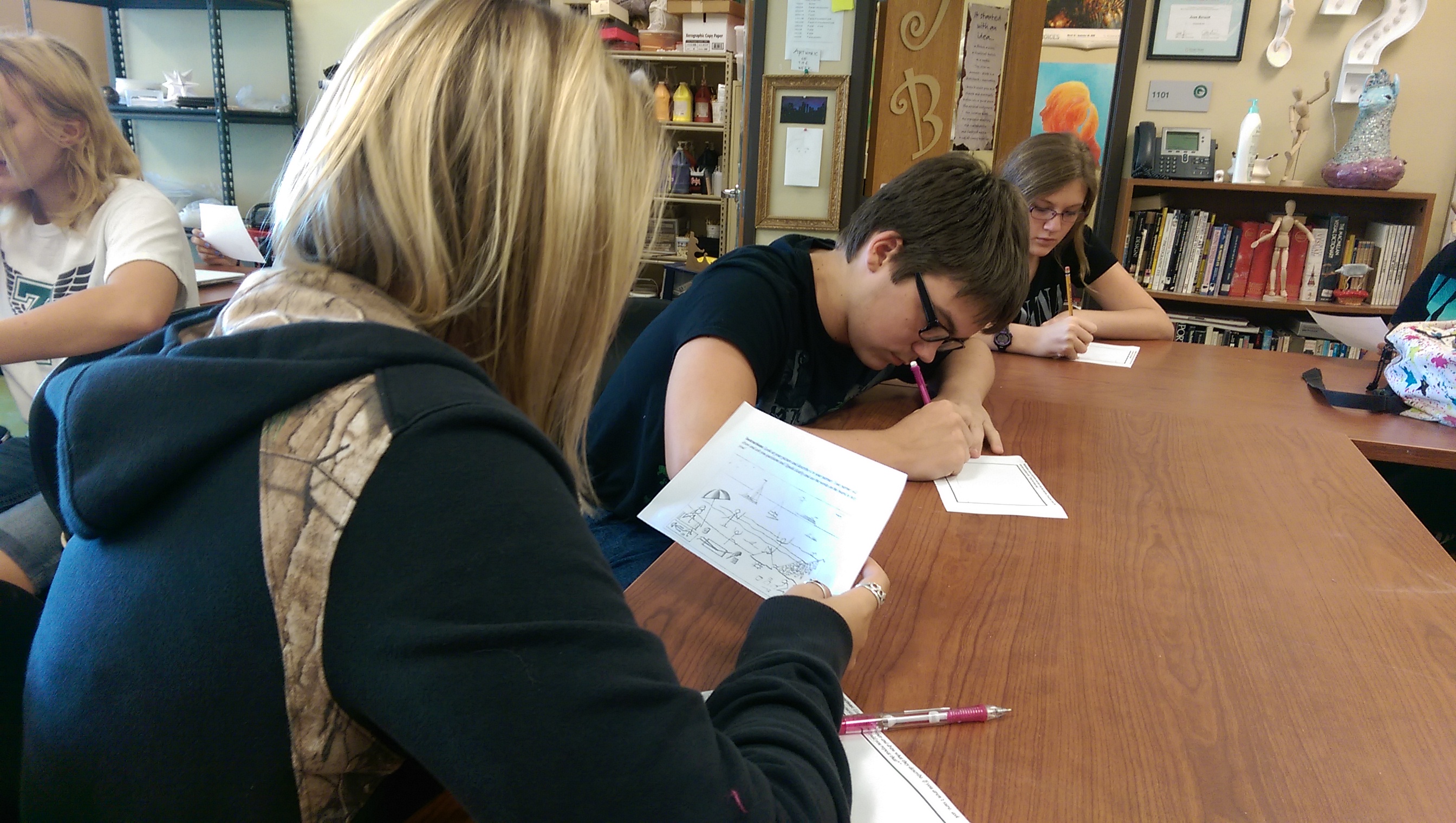
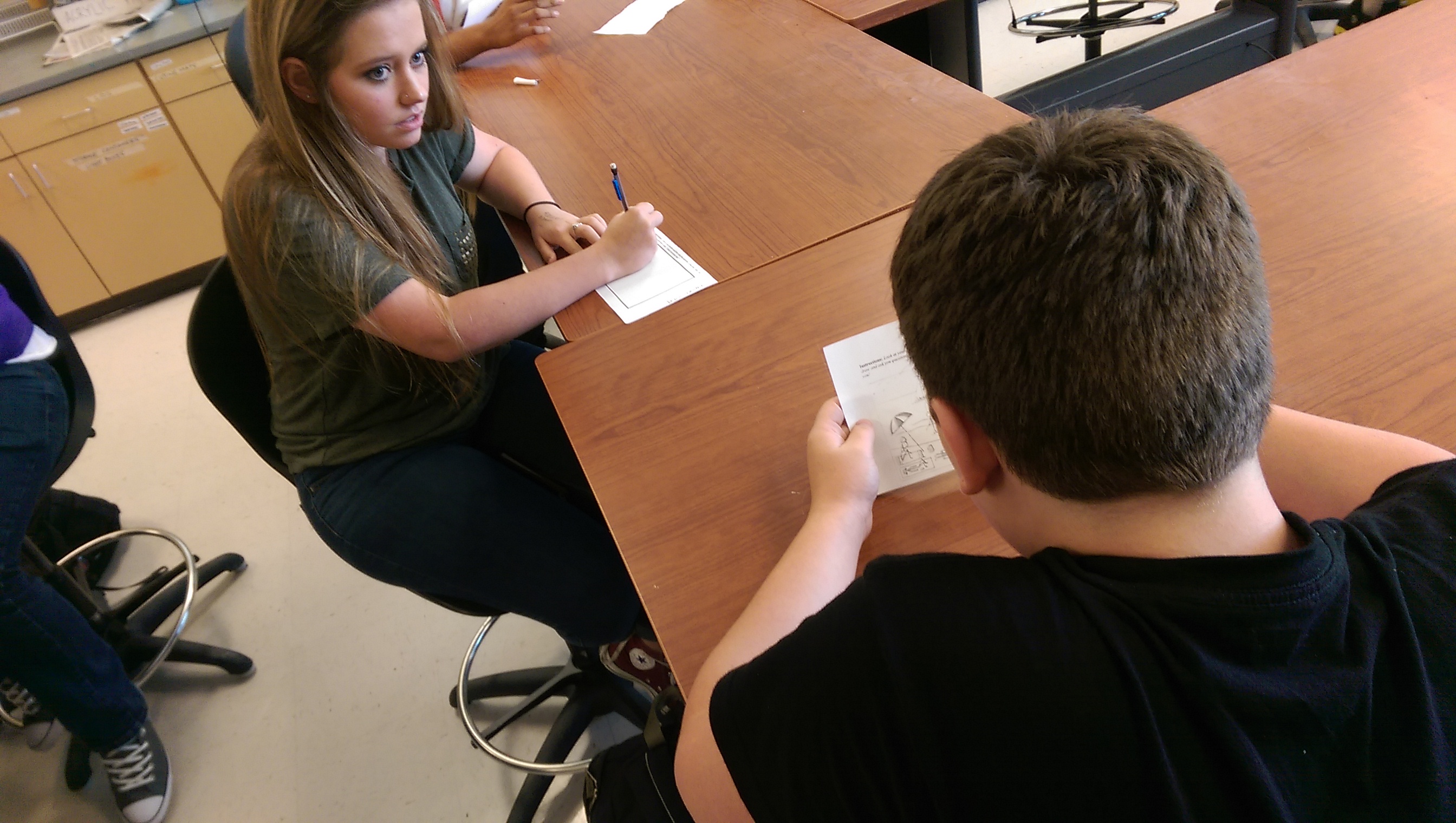
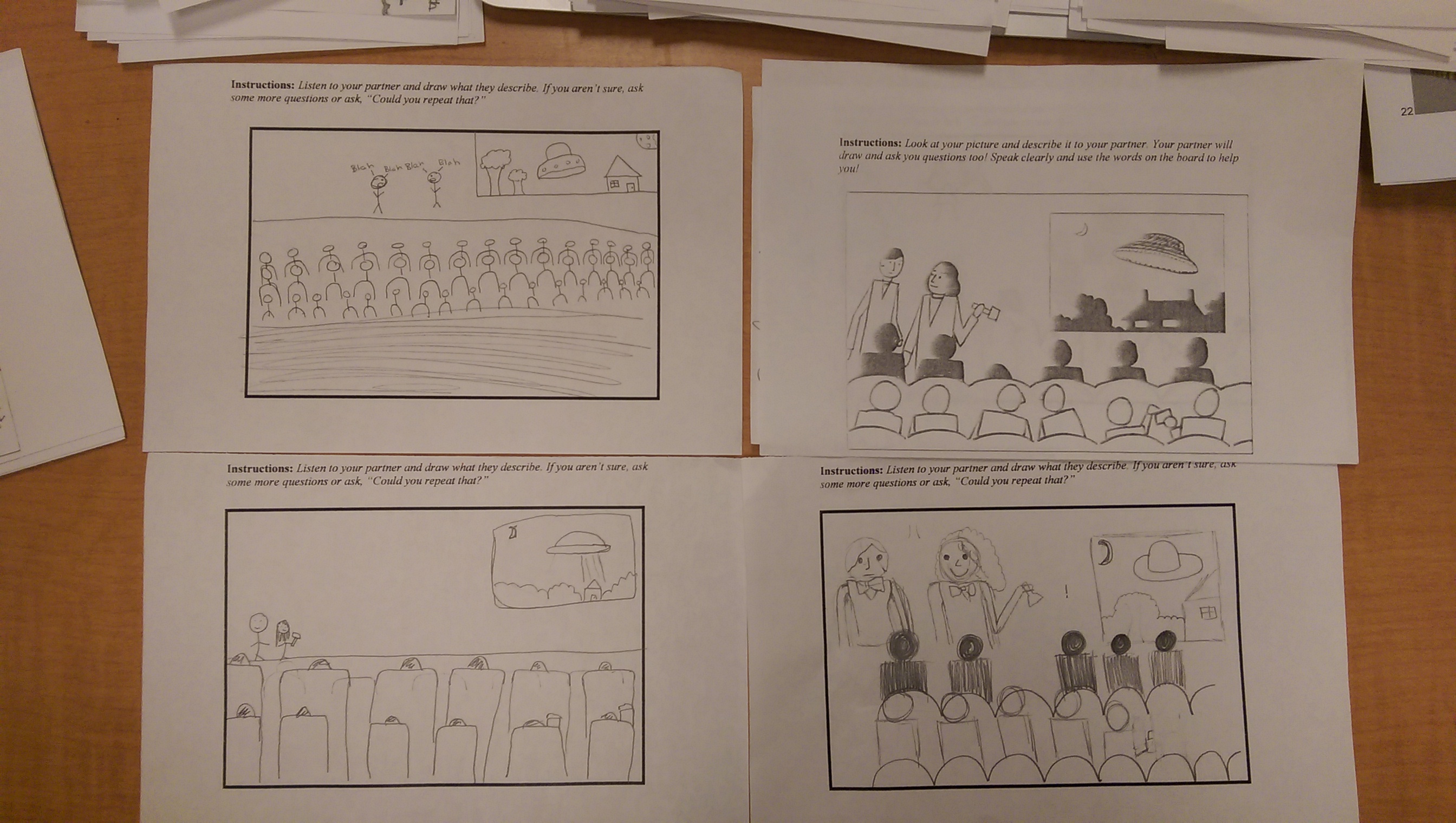
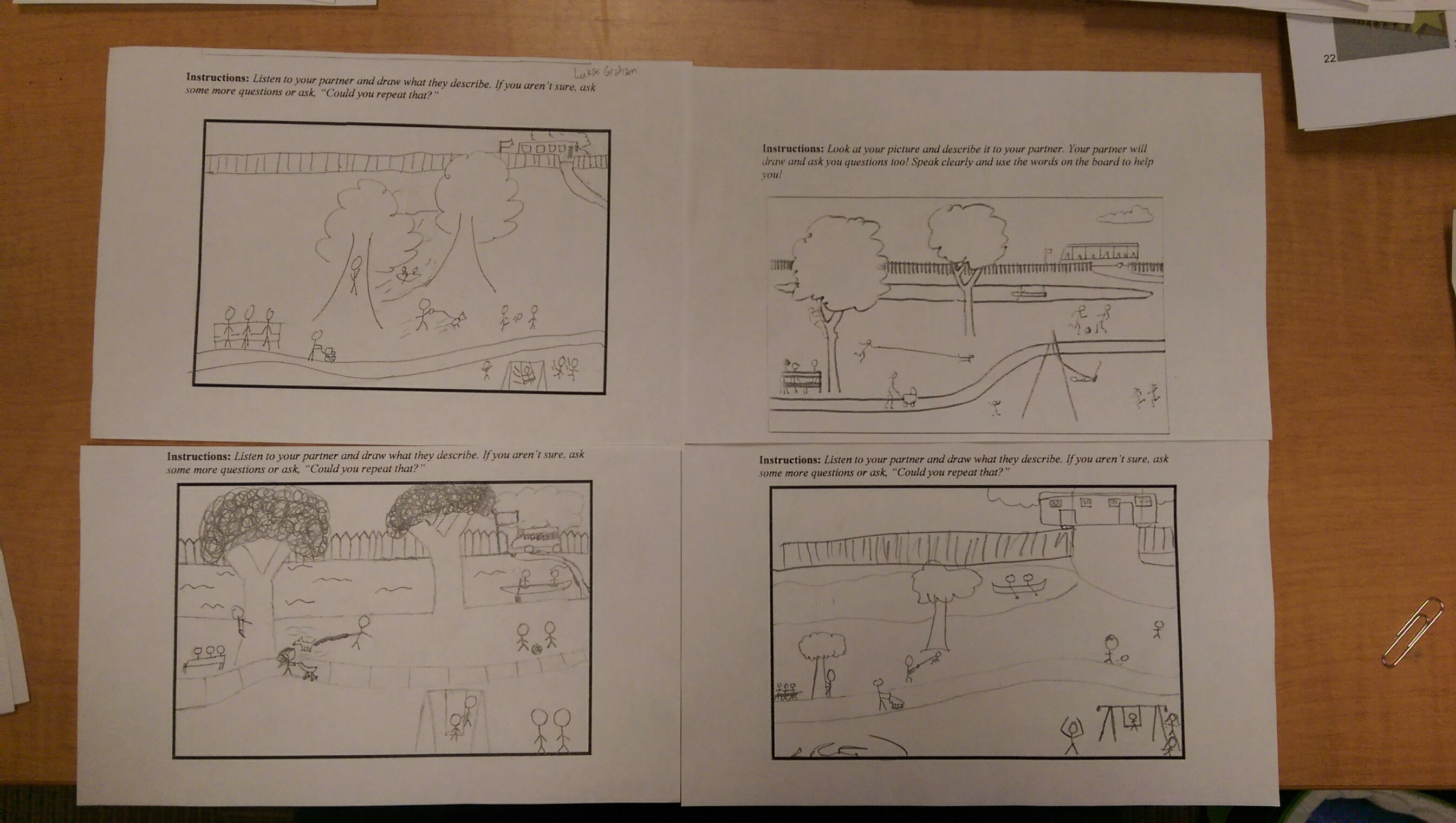
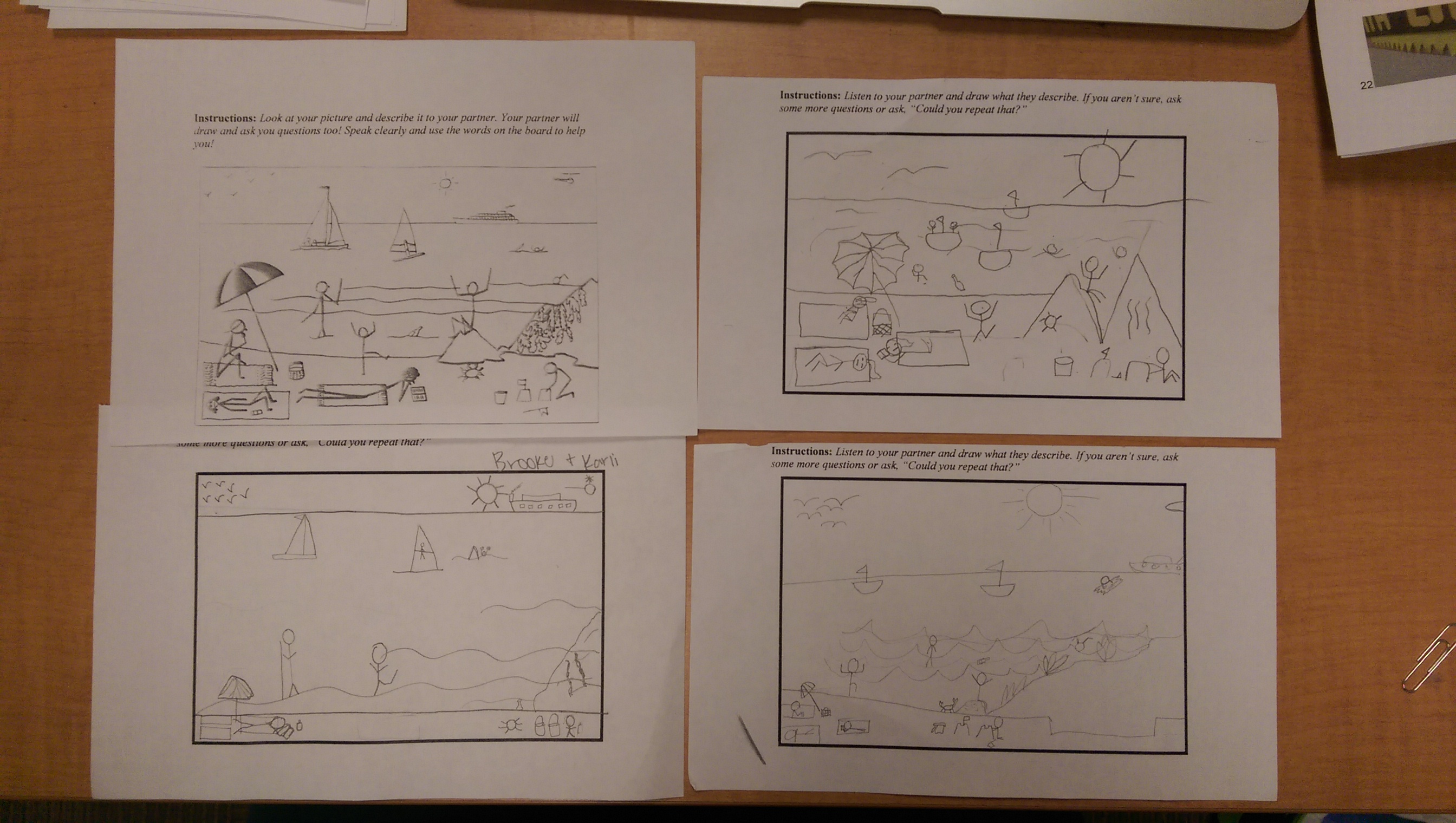
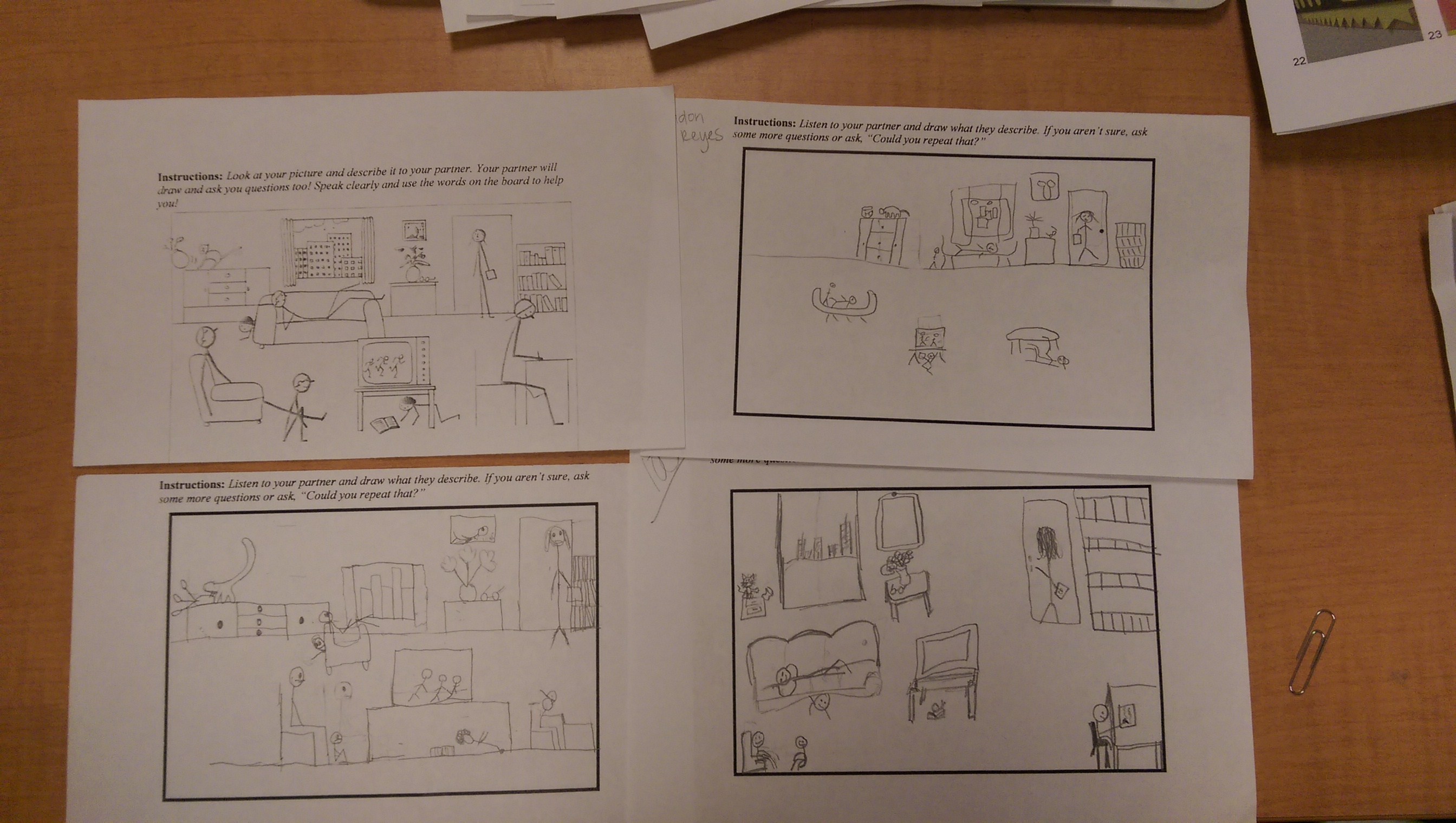
Artists Communicate. In this activity, students found a partner. One partner was given an image and had to describe the image, and without showing the partner or pointing to the partner’s page, get them to draw the image.
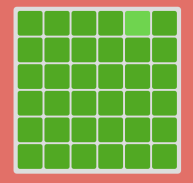
Artists Observe: I had taken this quiz on facebook that I thought would make a great observe activity. The students were shown four squares and had to choose the one that was a different shade. Every time they got it right, a new grid (with more squares) would appear. It got harder and harder as the difference was slighter and slighter. On top of that, it was timed.
Artists Create Original Art: What better way to kill 2 birds with one stone, but to do a short Slides presentation about Copyright, Fair Use, Appropriation, and Parody. In the presentation, I briefly went over a concept, then the students were shown a case and they had to decide what the outcome was. The presentation ended with a mock violation between DisneyLand and Street Artist Banksy’s Dismaland.
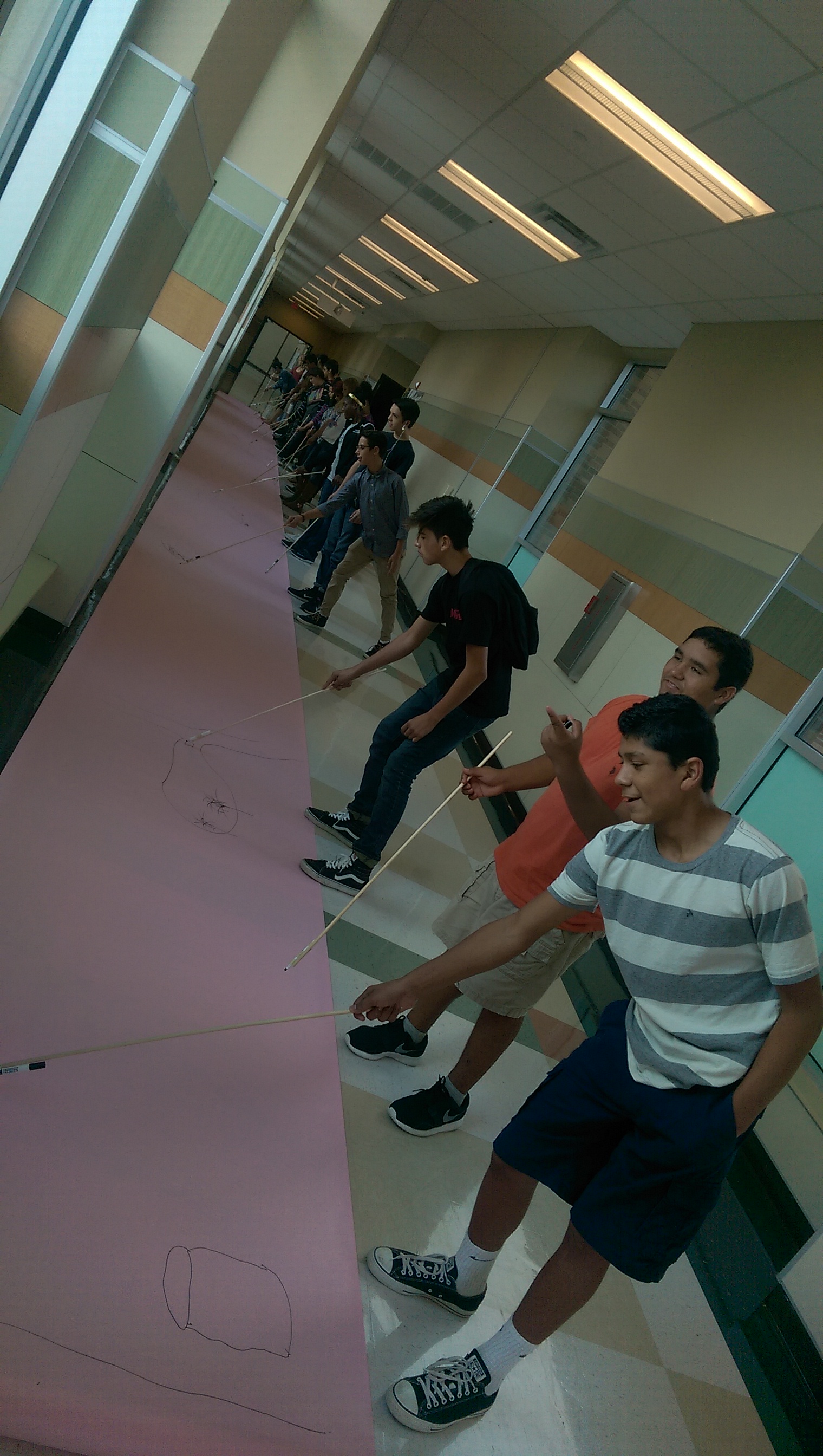
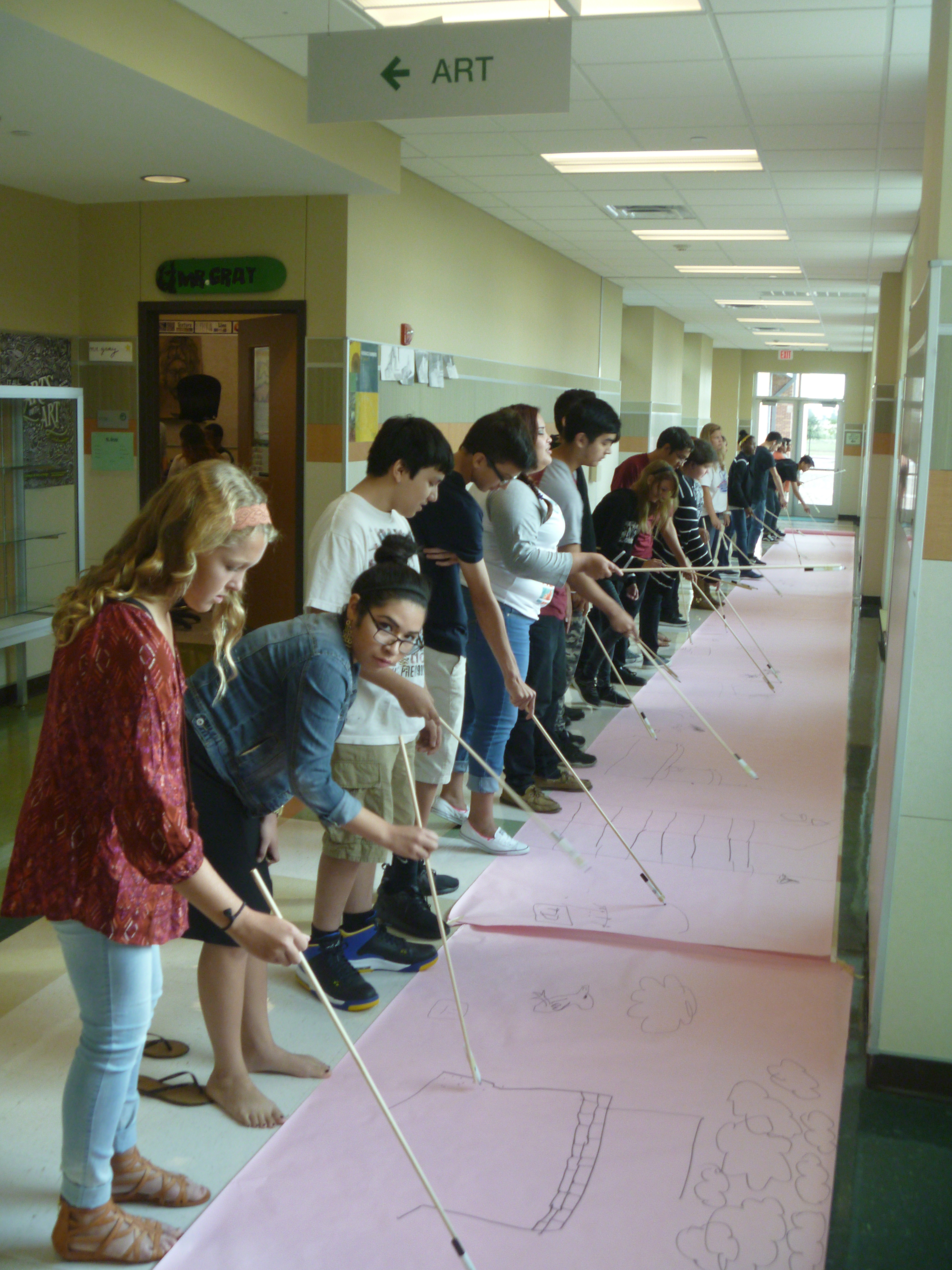
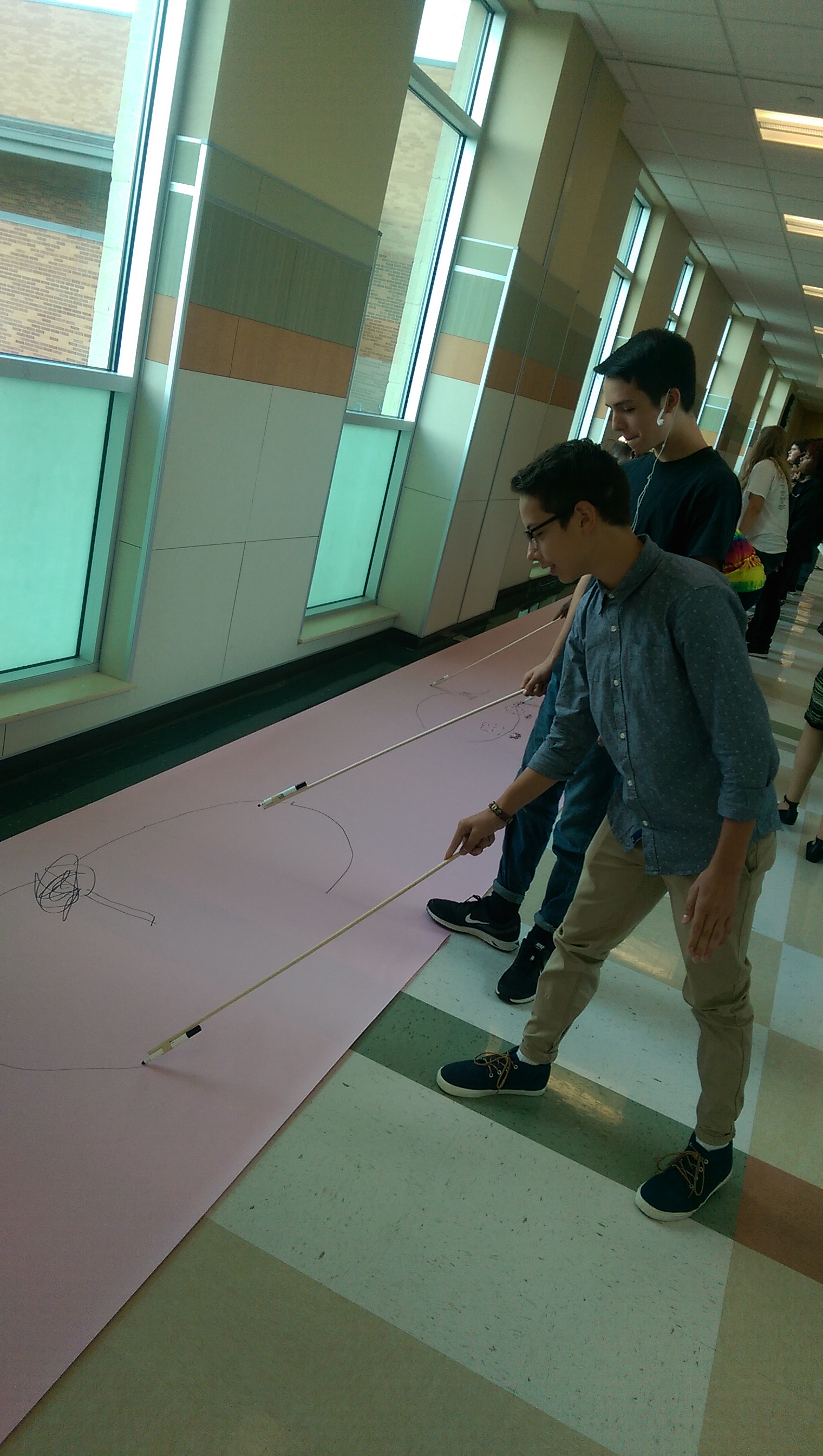
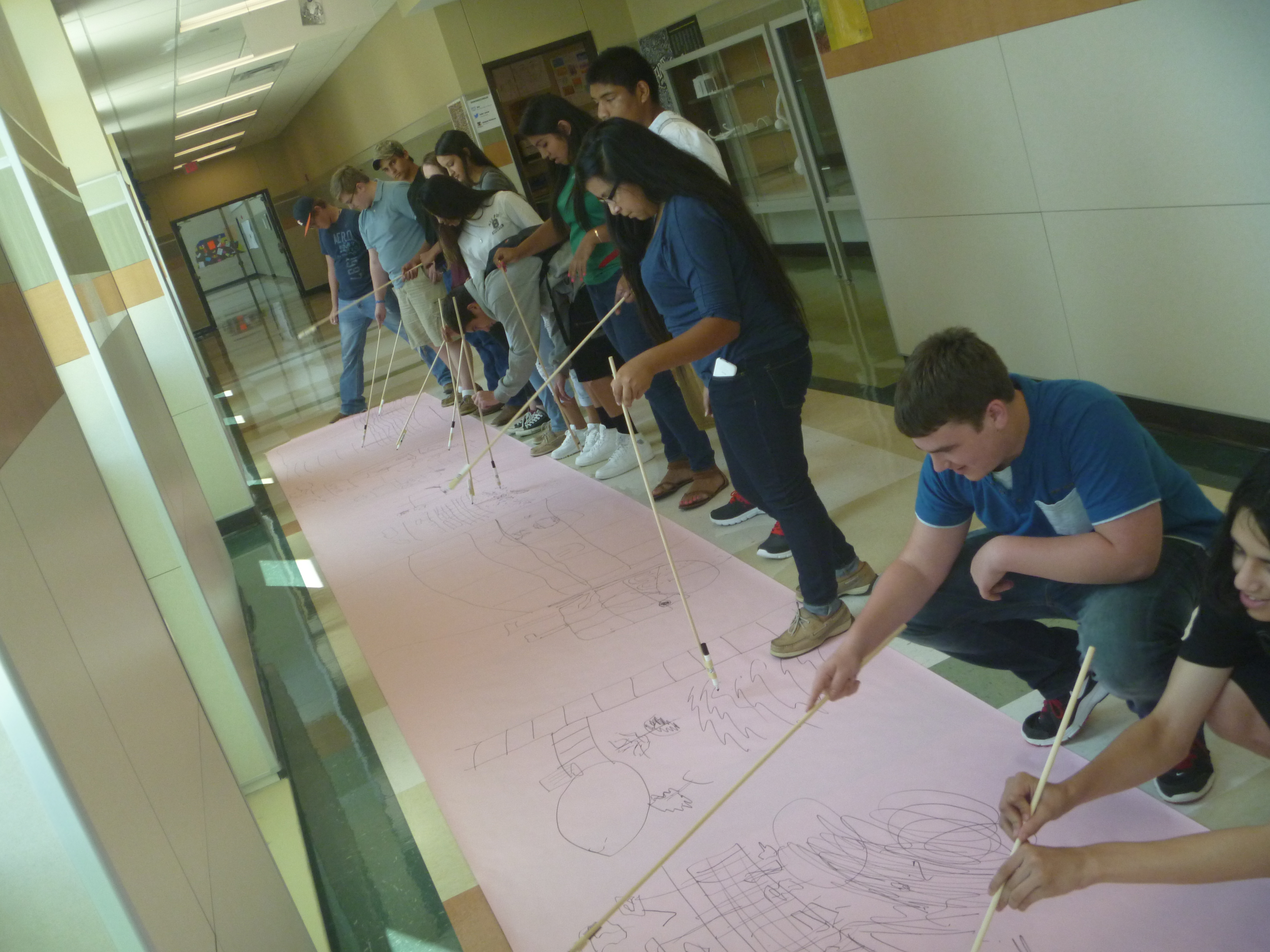
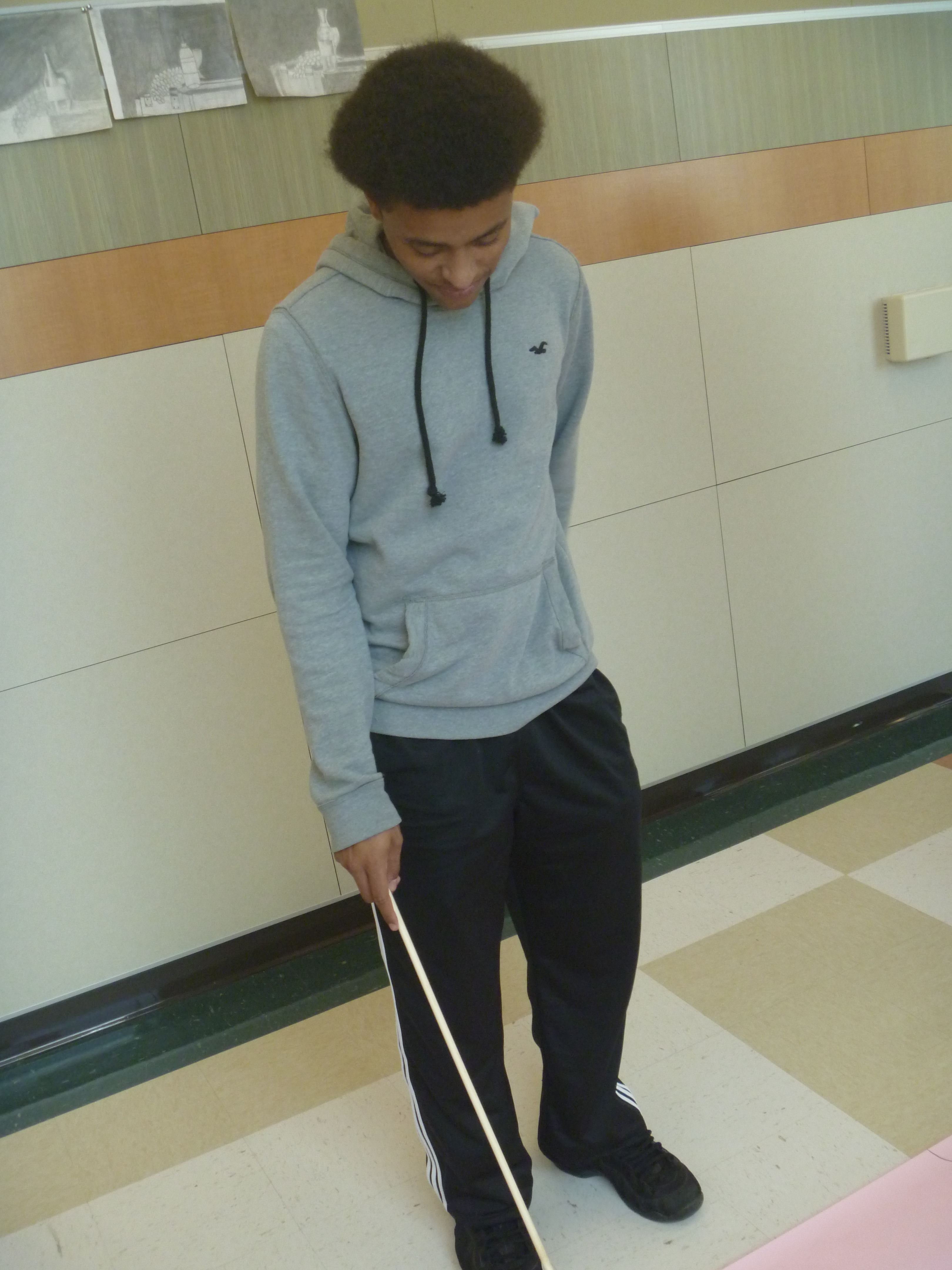
Artists Develop Art Making Skills: Each student was equipped with a marker on the end of a 3′ dowel. We went out into the hall where I rolled out a long paper and had the students look out the window and draw what they saw.
Artists Have a Global Awareness of Art Making: The third video I had them watch was the trailer for Season 7 of the PBS series Art 21.
Artists Reflect: For our final activity, I handed back all of the 8 previous reflection sheets and gave them a new reflection sheet. I asked the students to review what they had chosen and written for each activity over the past week and a half. They then had to choose one behavior for each activity. (On the previous reflection sheets, many students circled several behaviors for each activity and had repeated behaviors from activity to activity. I will come back to this shortly.) After making connections, they were left with one behavior, They were asked what filling out all the sheets had to do with that behavior, and they had to connect that behavior with being an artist.
I returned all the reflection sheets the next day and we had our Boot Camp Wrap Up. I created one more slide show and engaged the students in a discussion to decompress all we had just done. We went through each activity and I asked them what behavior they thought it was. I asked why. Sometimes they all agreed and sometimes they didn’t. And, they were able to say why for all opinions. I would reveal what behavior I had intended to connect with the activity. Then with my enormous passion and animation, I talked about what that behavior meant in terms of art and being an artist. As I walked around the room and looked at the students, I could see they were taking it in. I see the sparks. When I got to taking risks and how my classroom was a place to be comfortable, a place to explore and fail, I could see the looks on their faces change–a change I thought was positive.
The slide show ended with a review of how they would be assessed in my art class. I asked them what an 87 on an artwork meant. I could see them reaching for something, but floundering. I assured them that their lack of finding a answer was okay. The number grade in art seems arbitrary. It doesn’t help you know where you are or where you need to go. They agreed. They now knew why we spent time looking at these behaviors and how we would use them in the coming year.
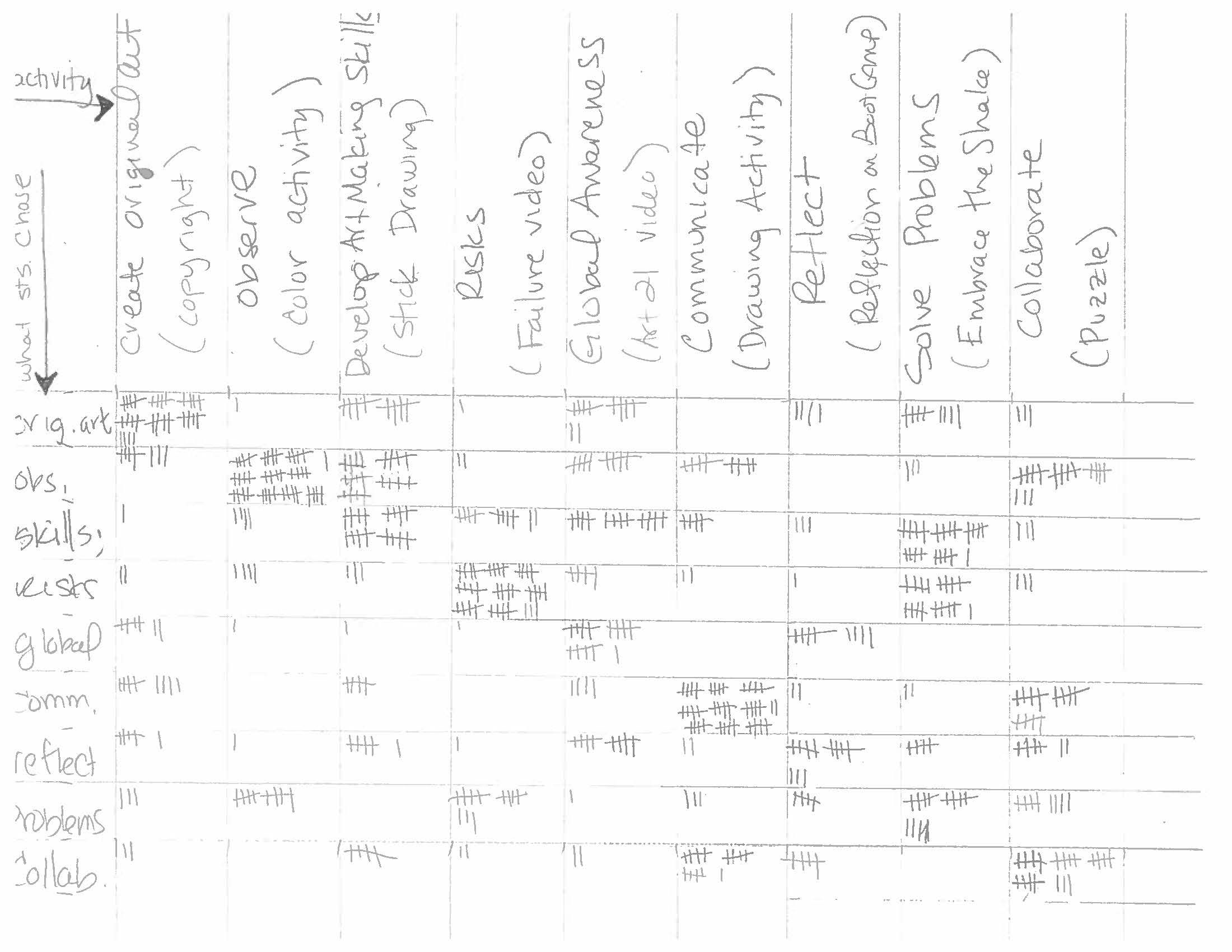
I learned as much from this boot camp as my students did. As the first reflections sheets started to come in and I began reading, I was surprised. Surely the students would have the same thought process I did. ::face plant:: I became so interested in the different behaviors they chose for each activity and the various reasons why. I decided to make a chart to record all the different choices. Artists collaborate and artists communicate were two that were often connected to each other. The same was true with artists solve problems and artists take risks. The students made connections between the behaviors without even knowing it–connections that are just inherent in the behaviors. Of course there were those students that went through the motions without much thought, but there were many that I saw really thinking about what they had just done and making connections. And, students were honest by saying they didn’t understand what a behavior meant (like global awareness), so they weren’t really sure if they were making the right connections.
The Artistic Behaviors Boot Camp achieved what I hoped it would. It introduced the students to the artistic behaviors. It enabled the kids to begin to think and to make connections between what they are doing and what artists do. And, I got to learn a little about my students and how they think. Were there rough patches? Yes. I wanted to throw in the towel after the first day. But, I am so glad I didn’t. I am sure I will make tweaks to it in the few weeks before school next August, but for now, I am calling this boot camp a success..
If you teach high school, you know that there is no way to get away from grades. Grades determine GPA, which determines the top 10%, which could mean automatic acceptance into a state college, etc., etc., etc. It’s a vicious cycle that personally I dislike. A lot.
If you have ever read a Facebook post by me about grading, then you know the struggle for me is real. I am tasked with too many “mandatory” grades in too short of a time. I wish I could be like Ian Sands and not grade anymore. However, that really isn’t an option. I already push it and not fulfill my requirement every marking period. But shhh…don’t tell nobody.
Now, we all should know that grades=/=assessments. They are not the same thing. Currently for me, grades in art are equal to the hoops I make the students jump through. Did you complete this on time? Did your artwork have 3 lines and 6 warm colors? (For the record, I don’t grade like this, and I think you should not either. Seriously, when you make artwork, do you want to be told how many colors you should have? But I digress. That’s a topic for another day.) Do you have at least four sentences in your reflection blog post?
What do these types of things tell me about how well you, the student, are doing in art? How well are you understanding the process? How are you improving your artistic behaviors in your journey on thinking and behaving like an artist? Answer: They don’t. They tell me nothing, except that you did something I arbitrarily asked you to do.
As art teachers, we assess our kids every day; or at least we should. I do. I make adjustments for what I see my students need. I make mental notes of where a student is and how can I help facilitate him/her to get to the next step or level. I am constantly thinking about my kids and where they are going and how can they get there. What resources can I share? What artists or art movements can I ask them to look up? What other media might intrigue them? I am taking mental notes of how my students are growing as artists and thinkers. Isn’t that my job?
This summer I have done a lot of thinking and talking about how to connect the assessments I am making everyday with the grades I am required to give to appease administration, students, parents, whomever. How can I make the grades I give actually mean something…both for the students and for me. I don’t want to give meaningless numbers anymore. I want my students to understand that their grade in my class is directly related to how they are growing as an artist.
This is my plan. I will no longer grade final artwork products. The product shouldn’t be what is important about the student. The learning that occurs while creating that product is. The real product is the student herself. I want to grade her. How do I do that, you ask? Good question.
I have taken something I already use to assess my students and that I ask my students to use to assess themselves when blogging about the process. Apex Art generated a wonderful list of artistic behaviors that I have adopted in my classroom. I then thought of how my son is graded at his school, and how much it means to me. I go over with his teacher the standards and where he falls on each standard. That is so much more useful than being given a report card with an arbitrary number on it. He got a 3 in math…so what?! I combined these two things and came up with a 4 level scale: exceeding, meeting, progressing, and emerging. I then assigned numerical values to each level. Now, I know this may seem arbitrary, but it is commonly understood that an A/90 is proficient in a subject. So, I figured meeting a behavior is kind of like proficient, so that would be an A/90. Exceeding=100; Meeting=90; Progressing=80; and Emerging=70. I took these behaviors and levels and put them into a chart, with a space for notes.
This makes sense to me. I plan on having the students and myself look at 6 of the 9 behaviors for each grading period. (In my case 6 weeks.) We will have discussions and meetings and the student will have his/her chart to see where they are at and where they need to go. I will look carefully at how they assess their process and work in their blog posts. For me, this will make the grades they receive more meaningful. We can have conversations about it. They will be able to explain why they are at the level they are and know why they received the grade they did.
I am very excited to bring this into my classroom. I think it will help bring forward the “for” in the Teaching FOR Artistic Behavior (TAB) classroom I have set up. I challenge you to make a greater connection between your assessments and your grades this year as well.
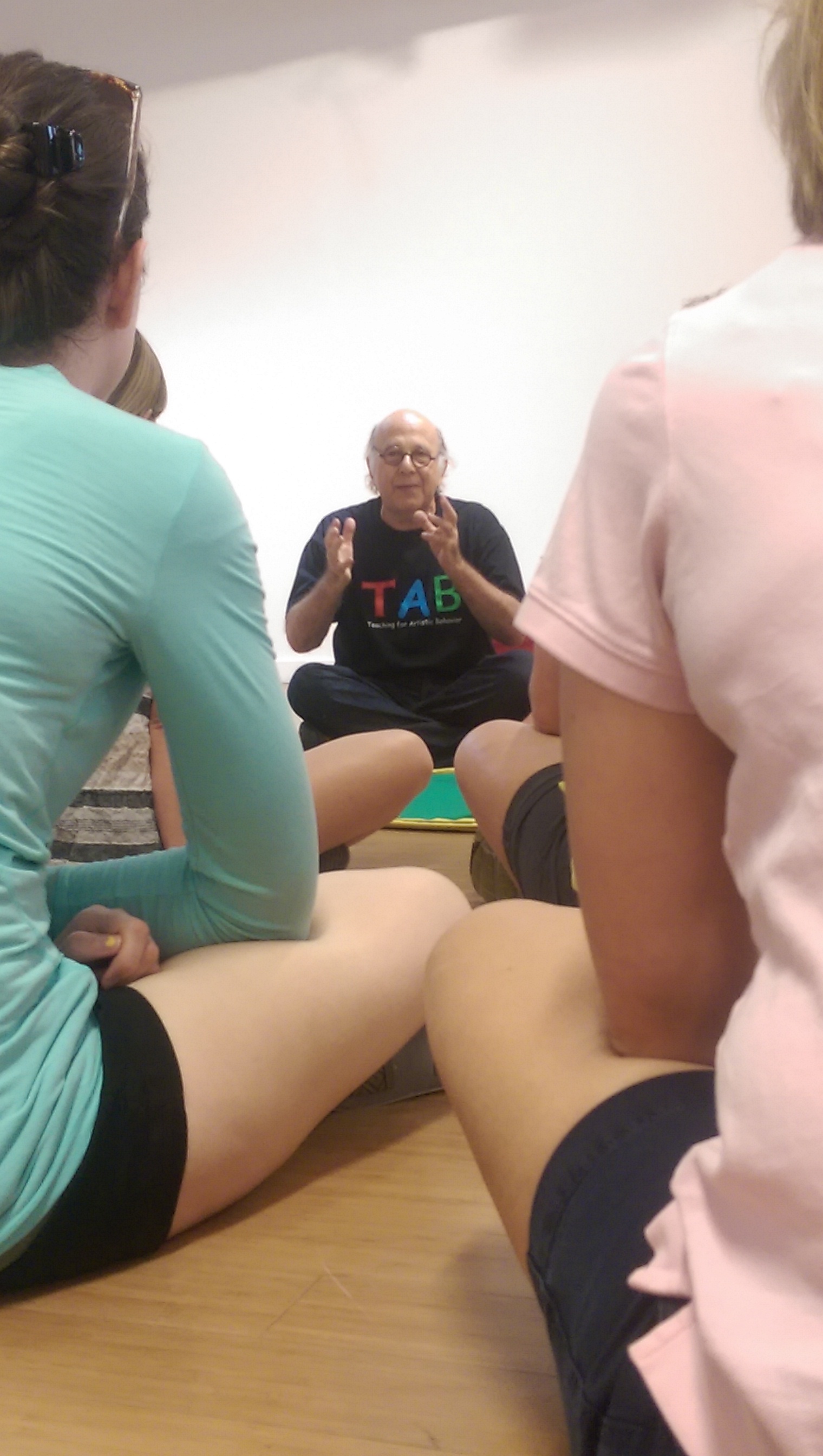
On July 12, I woke up at 4 am to get things ready to board my flight to Boston, MA so I could attend the 2015 TAB Institute. I would be in Boston for 6 days–living, breathing TAB (Teach FOR Artistic Behavior), surrounded by others who felt the same as me. It was a week-long intensive look into the world of TAB–what TAB is, how TAB came to be, how to implement, how to assess, how to advocate, I could go on.
Our “Treehouse” home for the week
Treehouse at night
By Monday night, I knew I had found my tribe. We all knew it. It was the most amazing thing to me to be surrounded by others who just got it; who just felt the same way I did. I had talked to some on the interwebs, but to meet them and talk face to face…it was a whole other thing. A better thing.
I got to meet several of my mentors. In particular, Kathy Douglas and I finally got to meet face to face. And, if it wasn’t for her suggestion of me going to Boston this summer, I probably wouldn’t have made it. So, thank you Kathy for the suggestion. I also got to meet Ian Sands. Granted we met briefly in New Orleans, but this week in Boston, I really got to meet Ian. Ian (and his colleague Melissa Purtee) have had major influence on me and my switch to TAB. I am so grateful to have stumbled upon them. So, for me to converse with Ian and work through things TAB related, and to become (dare I say it) friends with him, is a big deal to me.
Kathy, Diane, Clyde, Julie, and Ian
Our other faculty members included Julie Toole. She is so much fun and if you want to know how to advocate for your TAB program, she is the woman to go to. Clyde Gaw was there. His Facebook profile picture makes him out to be this scary guy. He is the complete opposite of this. He is fun and a big child and has this amazing way of connecting his vast knowledge with what/how artists act and the choices they make. Lastly, the woman that made it all come together, Diane Jacquith was a wealth of knowledge. The week ran so smoothly and she had set up an amazing group of mentors, guests (including George Szekely and his daughter, Ilona) and wonderful places to visit, like the Museum of Fine Arts and Fenway Studios.
I can’t leave out the people who I came to love while I was there. While I clicked with everyone, I want to give a shout out to my crew that just made the trip over the top—Liz (Leg Day), Andy (Canadia), and Hillary (iPad). Thanks guys. You accepted me for who I was and celebrated it. I am normally a shy person around new people, but you guys made me feel at home.
Enough with the mush.
Breaking into two groups, we met in tracks first. Track 1 was for those completely new to TAB. Track 2 was for those that had practiced TAB for at least a year. This is where I was. We also met as grade levels–elementary, middle school, and high school. My HS group was made up of 4 of us, Liz, Meta, Kathy, and myself. Of course, Ian was our guide. This was most helpful to me. The conversations were lively and honest. We talked about assessment and grading and how we set up an open studio without centers. Sometimes we didn’t even notice how long they went on.
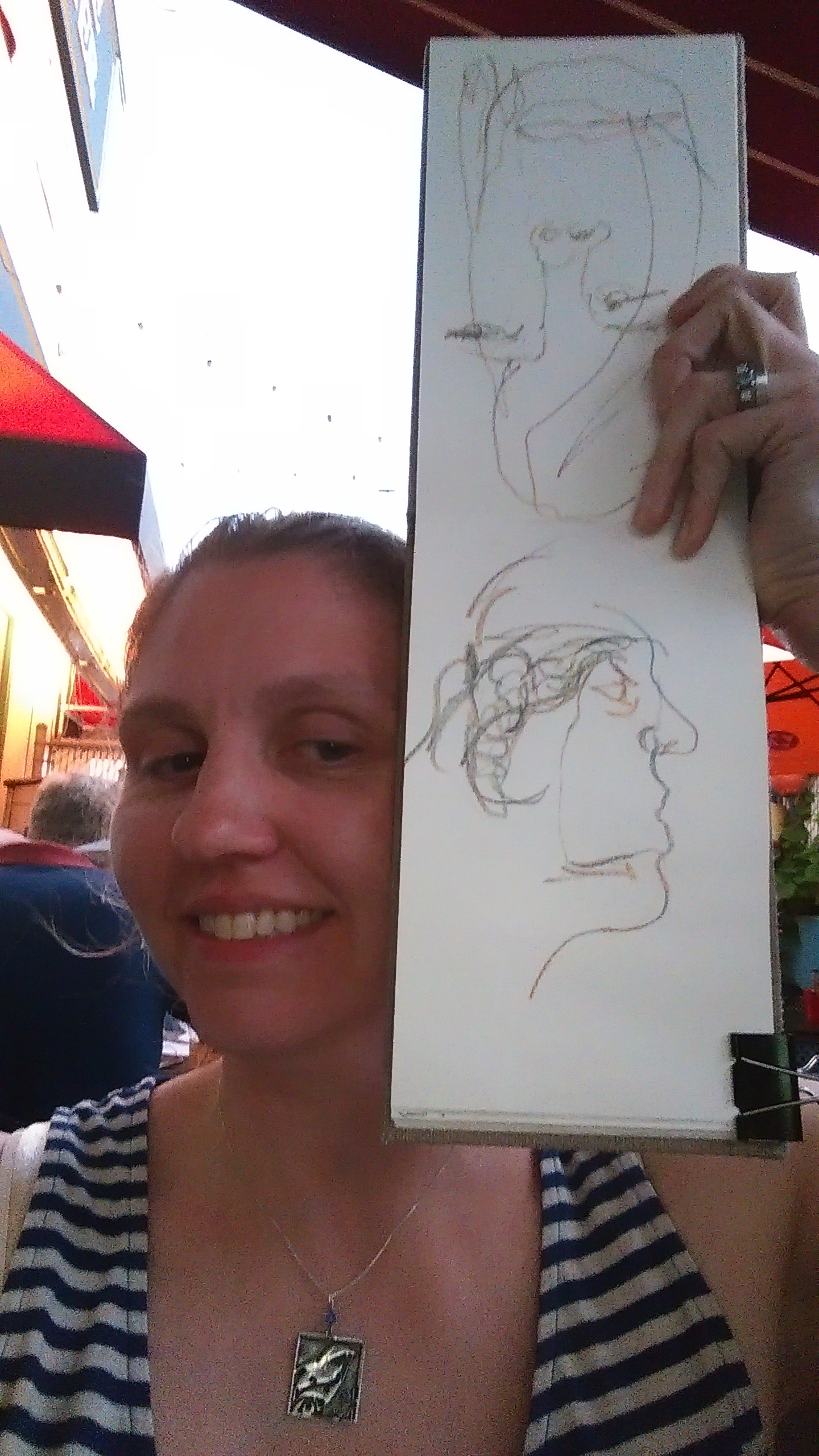
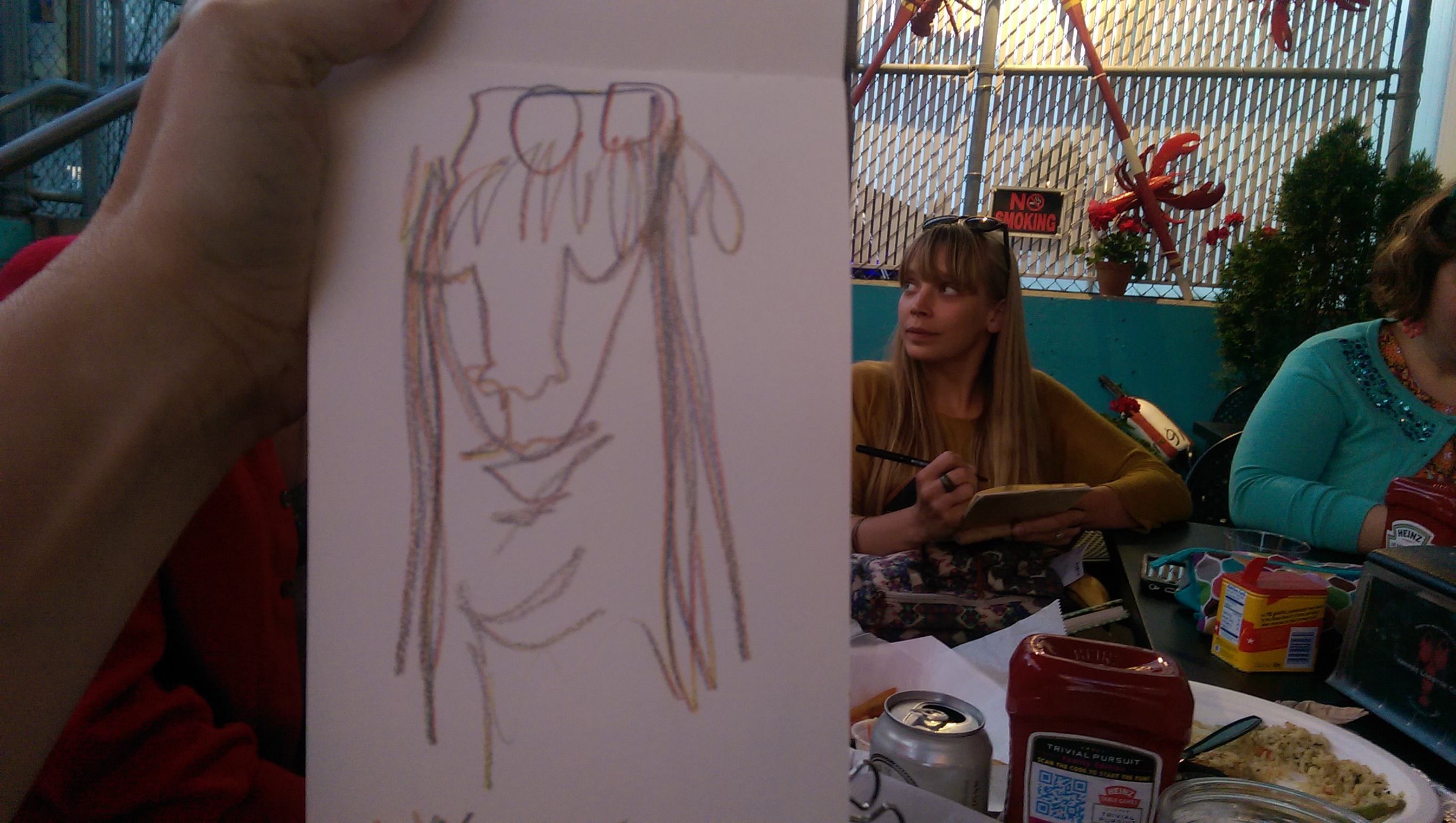
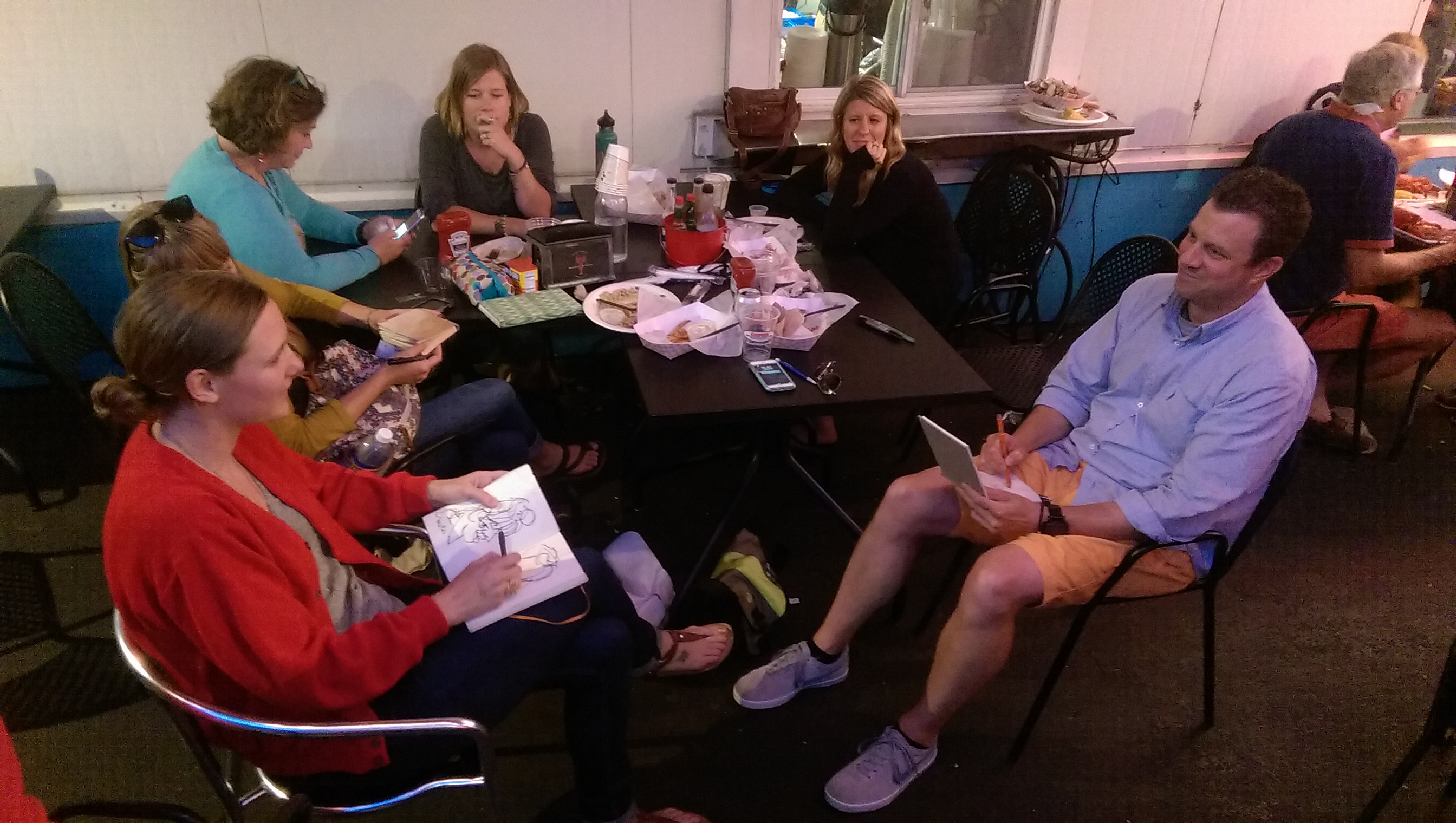
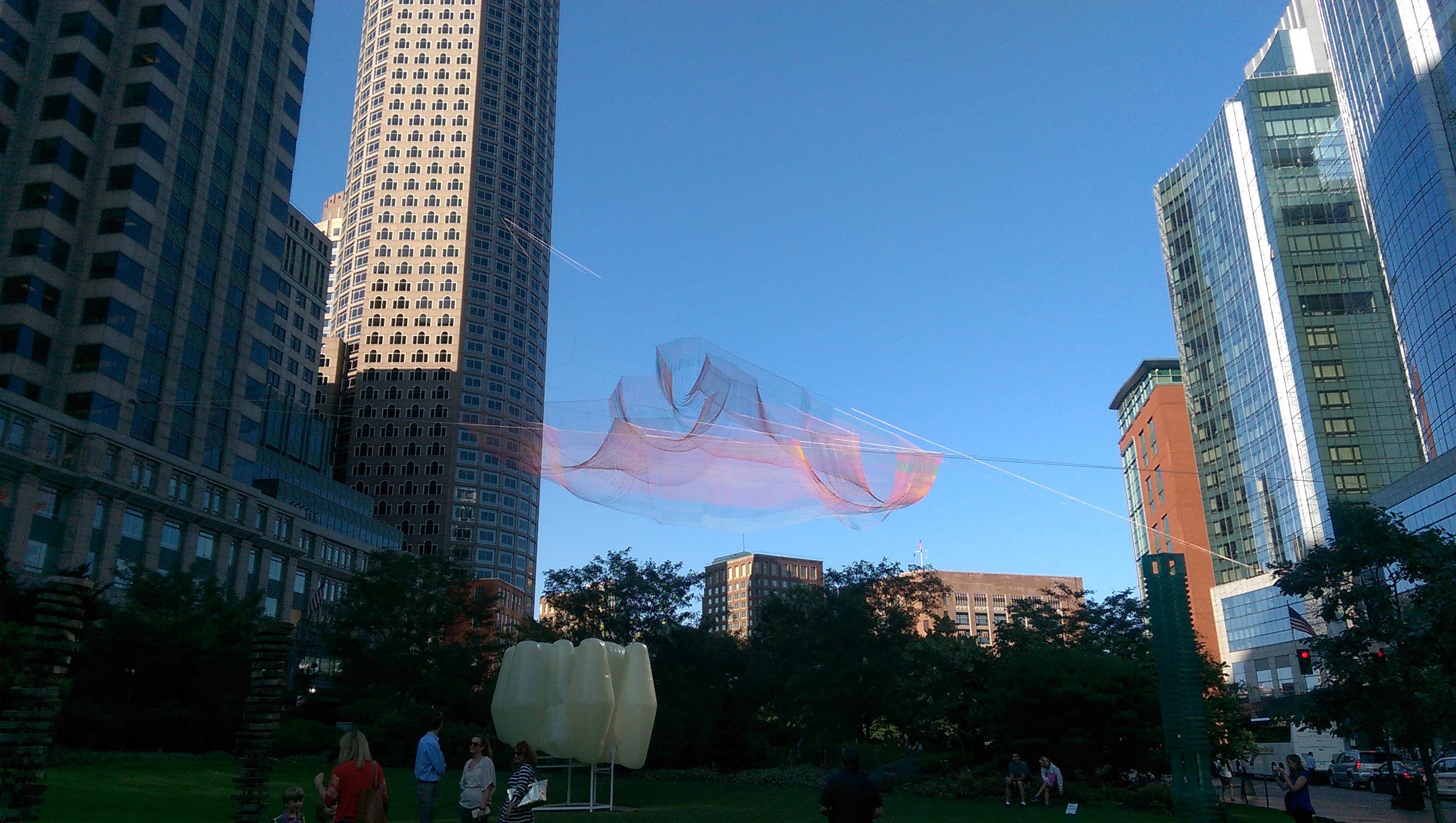
I have come to point in this blog post where I just don’t know what to say. I have been trying to decompress it all once the haze of the TAB utopia wore off. I have been trying to figure out how to sum it all up and write about it for over a week now. And, honestly, I just can’t. So, instead I will end the post with some pictures of this amazing PD.
A concern that I have heard about having a choice-based or TAB art studio is that students don’t ever work on skills–including observational drawing skills. I would like to address this particular concern. My students work on observational skills…every 2 weeks. How do they do this you might ask? Well, let me tell you…with a drawing test.
Several years ago I went the TAEA (TX Art Ed Assoc) State conference somewhere and I attended a session on creating workbooks. In that session, the two teachers mentioned drawing tests. I was intrigued so I asked for more information. They gave me the run down and I have been implementing them in my classes ever since.
I thought the drawing test was such a great way to have the students spend a few moments of uninterrupted time to concentrate on observational drawing. And, now that I am in a TAB room, I find this time even more beneficial.
Here is the low-down:
MATERIALS:
many class sets of objects. I went to the dollar store and bought a ton of crap over the year that would be good for drawing–spoons, forks, ramekins, ornaments, salt shakers, etc. For me a class set is 24. I also bought a bunch of cheap bins from the dollar store to hold each set. It is an investment, but worth it. If you can find sets of things…like the forks came in groups of 3, ornaments come in packs of 12. Each box is labeled so it is easy to find and pull out.
squares of lightweight drawing paper. I have a ton of 60# white drawing paper. I cut the paper down to 5.5-inch squares. I cut a bunch at a time…enough to get me through a few weeks of testing for 4 classes. I keep it all in a bin.
white poster board or railroad board. This is used to mount the tests for the book at the end
silver rings. I use the binding rings. This holds the books together and makes it easy for the students to flip through.
white labels.to be used to label the pages of the book
double-sided tape. to attach drawing tests to the railroad board
timer. the tests are timed
HOW TO:
Each student gets a piece of paper and the week’s object.
We start off with easy things like Legos and work towards more complicated things.
Each test is timed. Art 1 starts with 5 minutes and works up to about 10 minutes at the end of the year. Art 2 starts at about 7 minutes and work up until 13 minutes.
Every week I tell the students things I want them to concentrate on when they are drawing. I usually start with 3 things and as we move along, the easier things get removed and harder things to observe and concentrate on get put in.
shape
line quality
use of 3-d
surface quality
no lines
shading/shadow
There is no talking during the test
They must draw the entire time. This means they either need to draw again or try to improve what they have done.
I also don’t let them listen to music.
I type up a sheet and post it on the screen during the test. The sheet has the date, the drawing time, and what I am looking for. Also, the reminders about drawing the whole time and talking are at the bottom. I save all these because they give me the information for the labels later on.
Before we start, I give reminders and tips to drawing from life and observing things like shadows and planes. I talk about making connections to help with proportion. I point out things they should notice…like the salt shaker top is not as wide as the glass part. During the test, in a quiet voice, I give reminders about how to observe and things to notice.
When time is up, I have the kids sign their work. The first test they write their names on the back for my reference. The second time we talk about signatures and how artists sign their work.–I show some famous examples like Picasso, Monet, Durer, and myself. After this, they then can write their name on the back and/or sign the front.
From there I take up the tests, grade them, and put them away for safe keeping. Sometimes the kids ask about them, but mostly they kind of forget about the tests themselves. I don’t hide them and if they want to see them, I let them see them. What do I do with them? This is where a good aide comes in. Each test gets mounted on a 6X9 piece of railroad board. Each board gets a label with the date, the test time, and what was the concentration areas. At the end of the year, each board gets hole-punched twice and put on rings. I make a cover page for each book and hand them back the last day of classes (well most of them anyway.)
The students like to look through and see how far they came. They remember which items were hard, why things were hard, which they hated, which were easy, and which they didn’t try on. Many cherish the book for years to come. Several years ago, Ethen left his book behind. I kept it because it was good, Ethen was one of my favorites (don’t tell nobody), and I could use it to remember what objects I used when, etc. This year Ethen was a senior and he saw I still had the book. He wanted it back because he didn’t have any of his drawings. I was sad, but silently happy that his face lit up when he looked through it and remembered our awesome class.
Anyway, this past year I stumbled upon an article that talked about some of the things my students question me about–the main one is the silence/no music thing. Here is an excerpt from the article.
1. What if I told you, you talk too much?
Talking and drawing don’t mix. The main problems associated with drawing is when you talk you engage your logical, language dominated left side of the brain. This side of your brain is keen on knowing an objects name, labelling it, and organising it. Often when learning to draw, you need to temporarily hold off judgment and try not to second guess what you think the object should look like, rather than what the object actually looks like. When you are trying to learn to draw something realistically, you have to engage your right hand side of the brain, which is keener on images and spatial perception. It’s very hard to do both at the same time.
Why?
Because it causes mind freeze. Have you ever been in a creative zone of absorption, a state where time travels quickly and you are in what psychology professor Mihaly Csikszentmihalyi calls ‘flow’.
How Does It Feel to Be in Flow?
Completely involved in what we are doing – focused, concentrated.
A sense of ecstasy – of being outside everyday reality.
Great inner clarity – knowing what needs to be done, and how well we are doing.
Knowing that the activity is doable – that skills are adequate to the task.
A sense of serenity – no worries about oneself, and a feeling of growing beyond the boundaries of the ego.
Timelessness – thoroughly focused on the present, our sin to pass by in minutes.
Intrinsic motivation – whatever produces flow becomes its own reward.
Flow is the mental state when you are fully immersed in an activity, a feeling of full involvement and energy. You can get to this stage of involvement whilst drawing… until you get interrupted. The combination of left and right battling against each other makes trying to draw tricky. You can learn to talk and draw at the same time but it takes practice. It all starts by understanding how your mind works, and how you can be subconsciously sabotaging your best efforts.
This excerpt is from an article by Will Kemp called “The 3 reasons why you can’t draw, (and what to do about it)”. You can find the remainder of the article here.
I posted the excerpt on the students’ art blog. Next year I plan on having them read the article as part of class, instead of just stumbling upon it.
Like I said, I think having these “tests” are important. I think most kids think they can’t draw and this helps to show them otherwise. Furthermore, it is good to have a time set aside for the students to work on these exercises. Using the word “test” is mean, but I think it somehow gives the exercise a sense of importance in their minds.
Here are some examples from this past year. It is a mix of art 1, art 2, and life skill students.






















 TAB Studio with Mrs. B