Author Archives: missjaybar

Picturing Sound

Standard

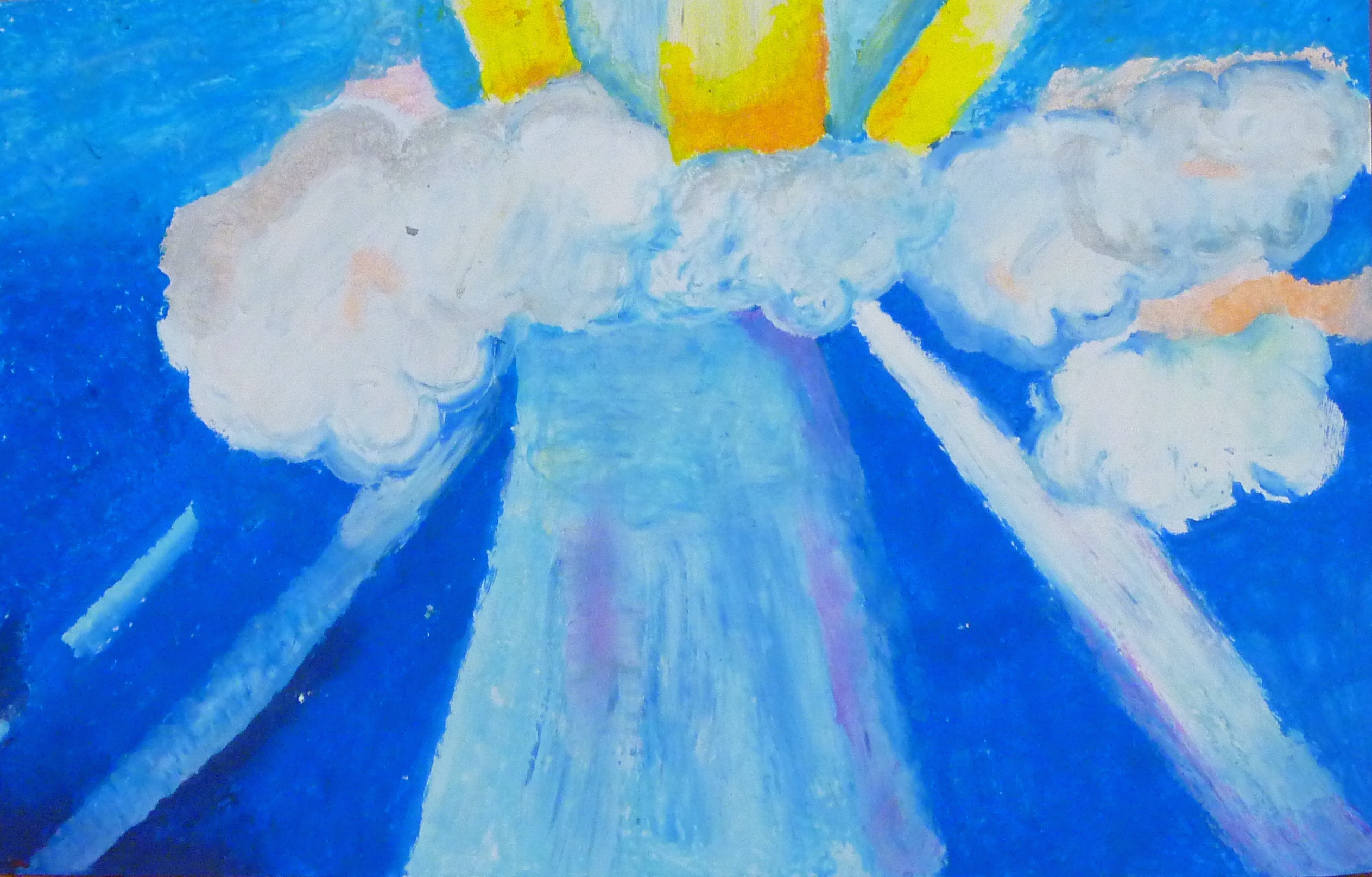
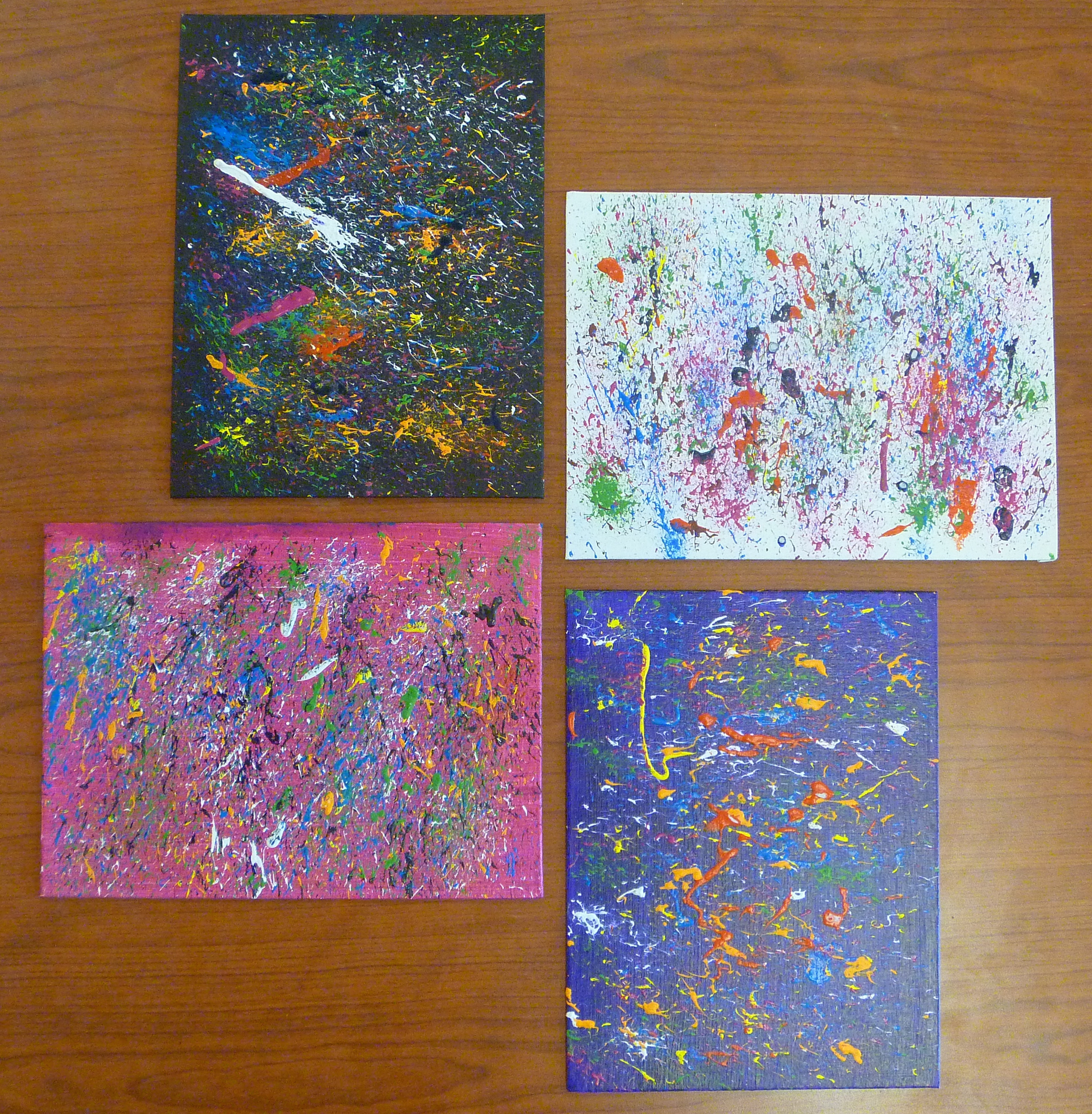
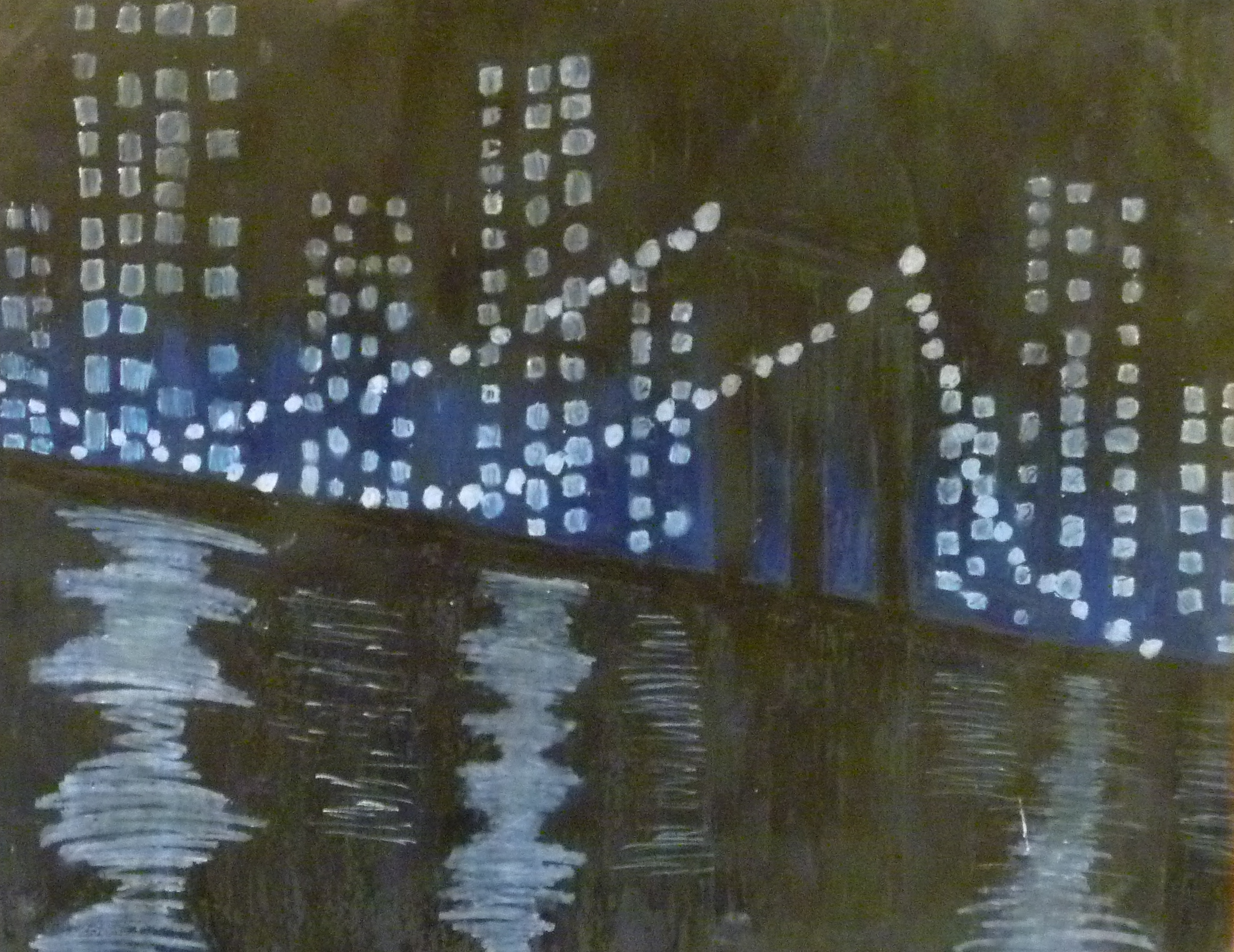
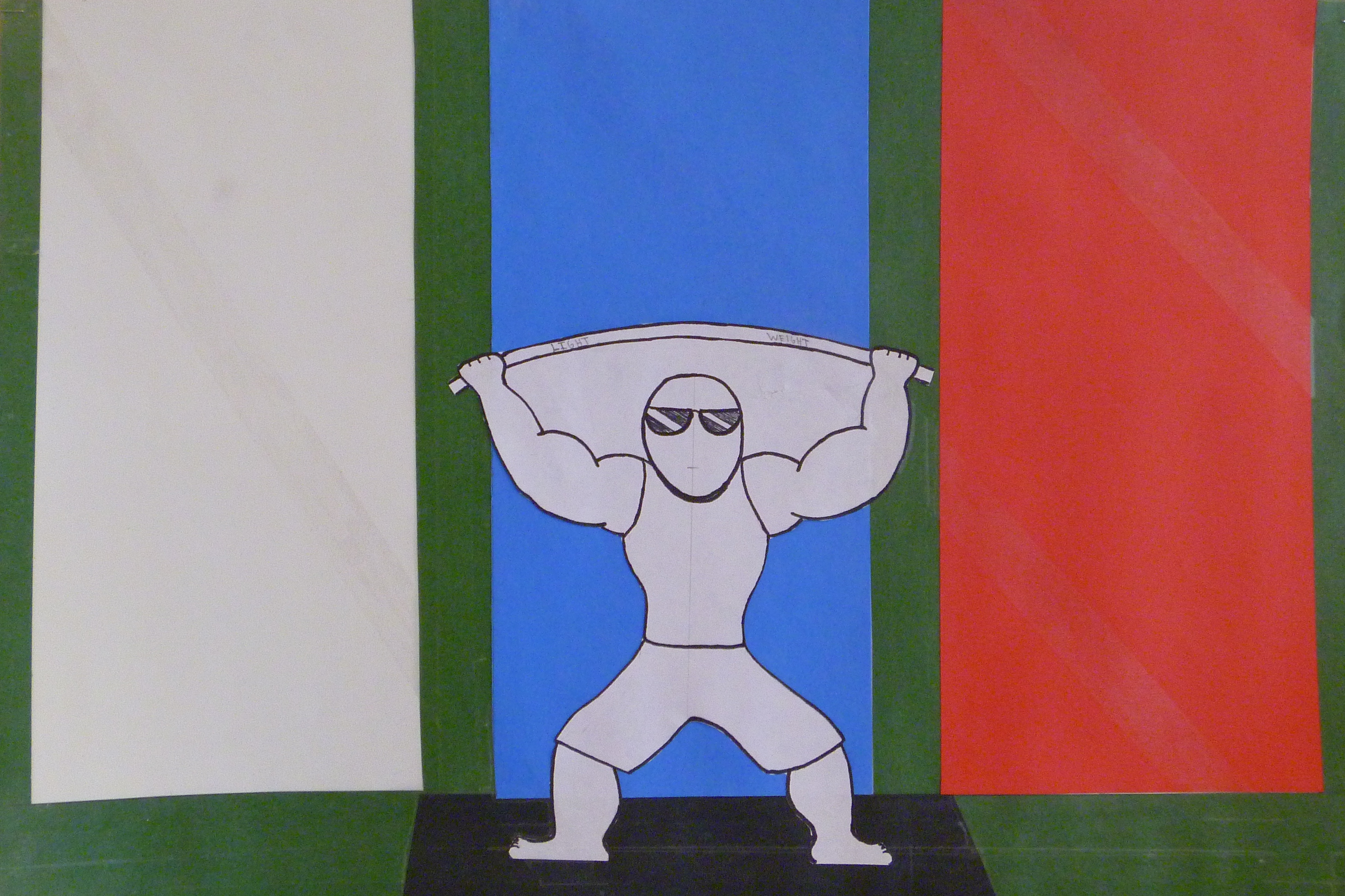
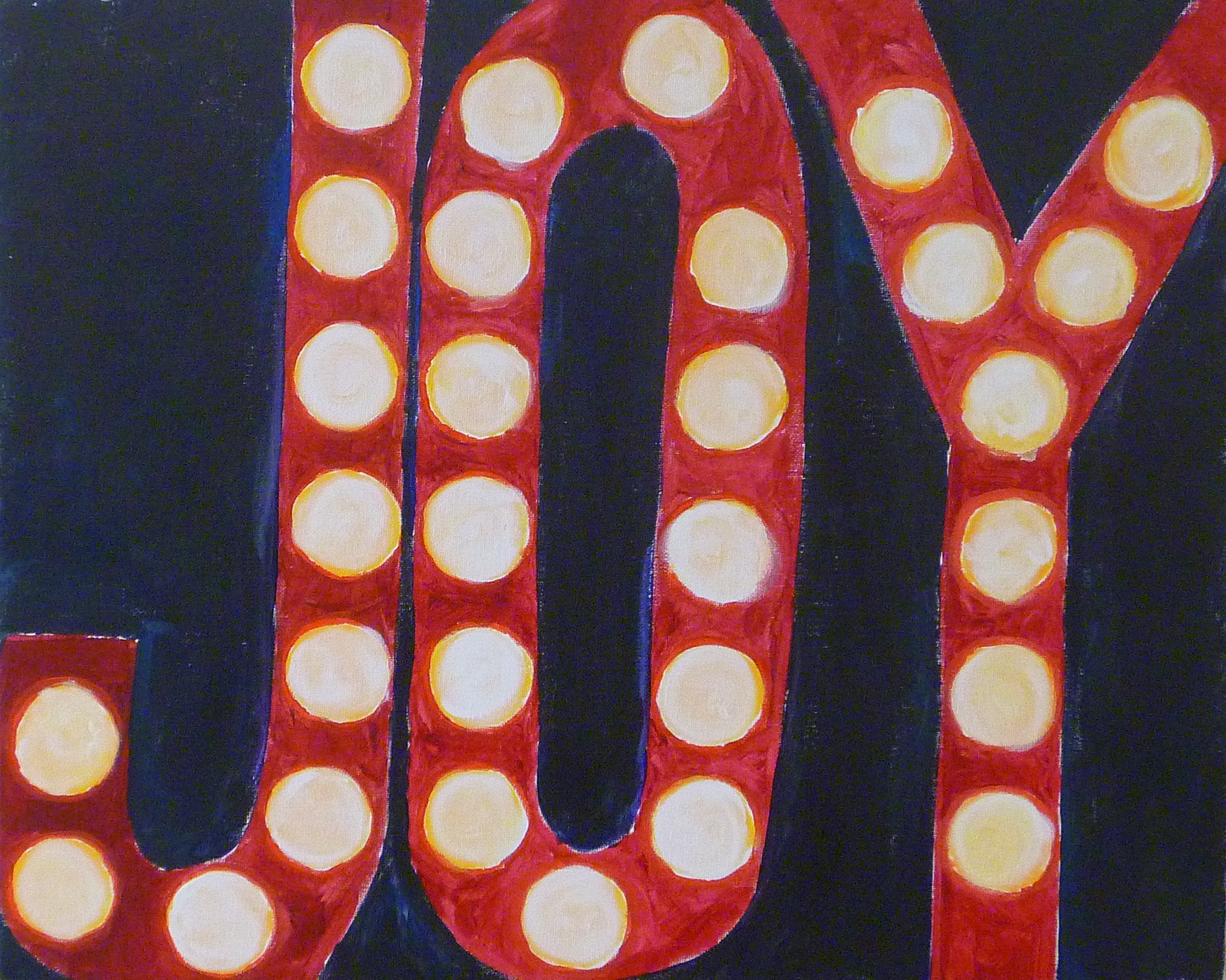
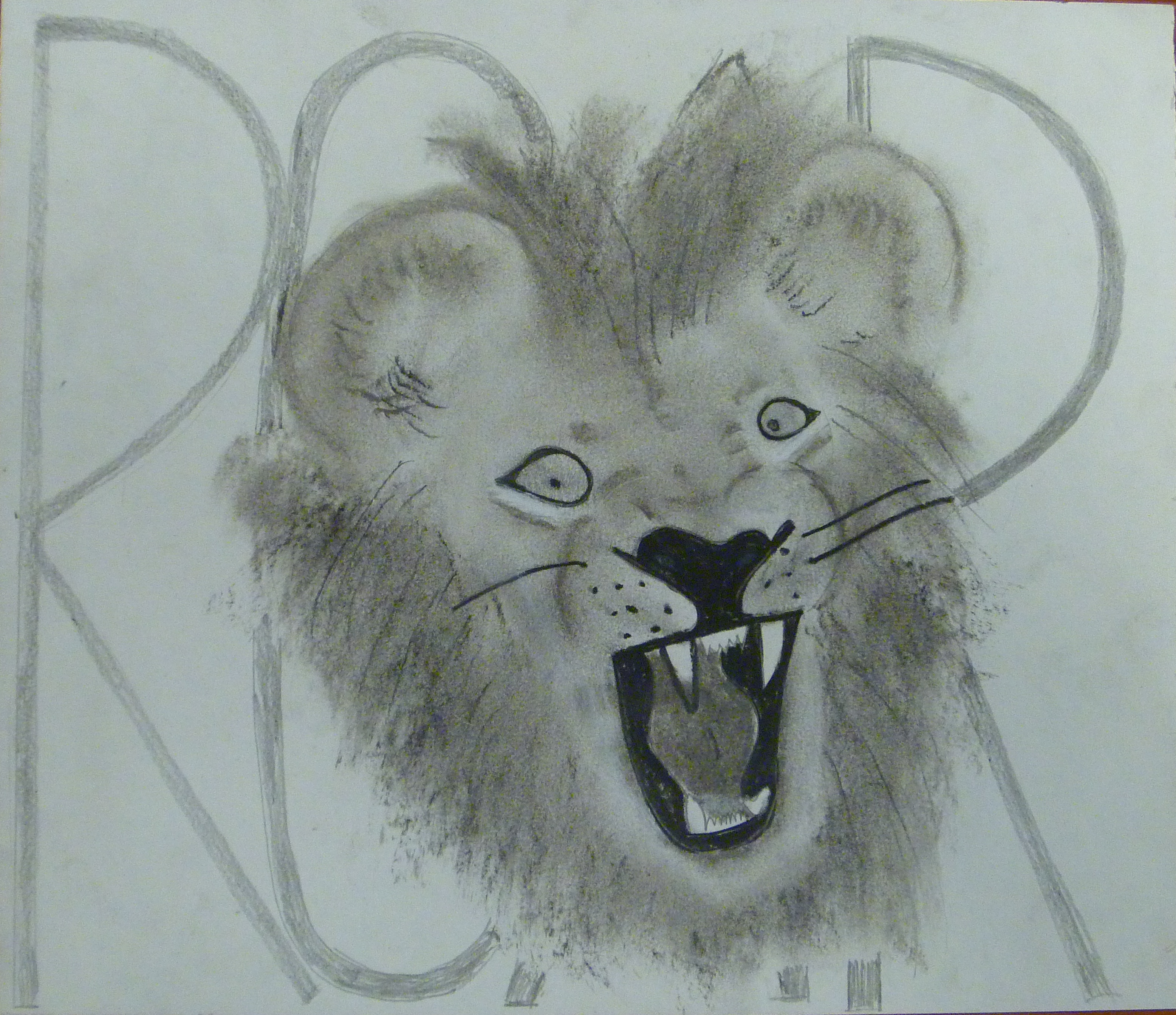
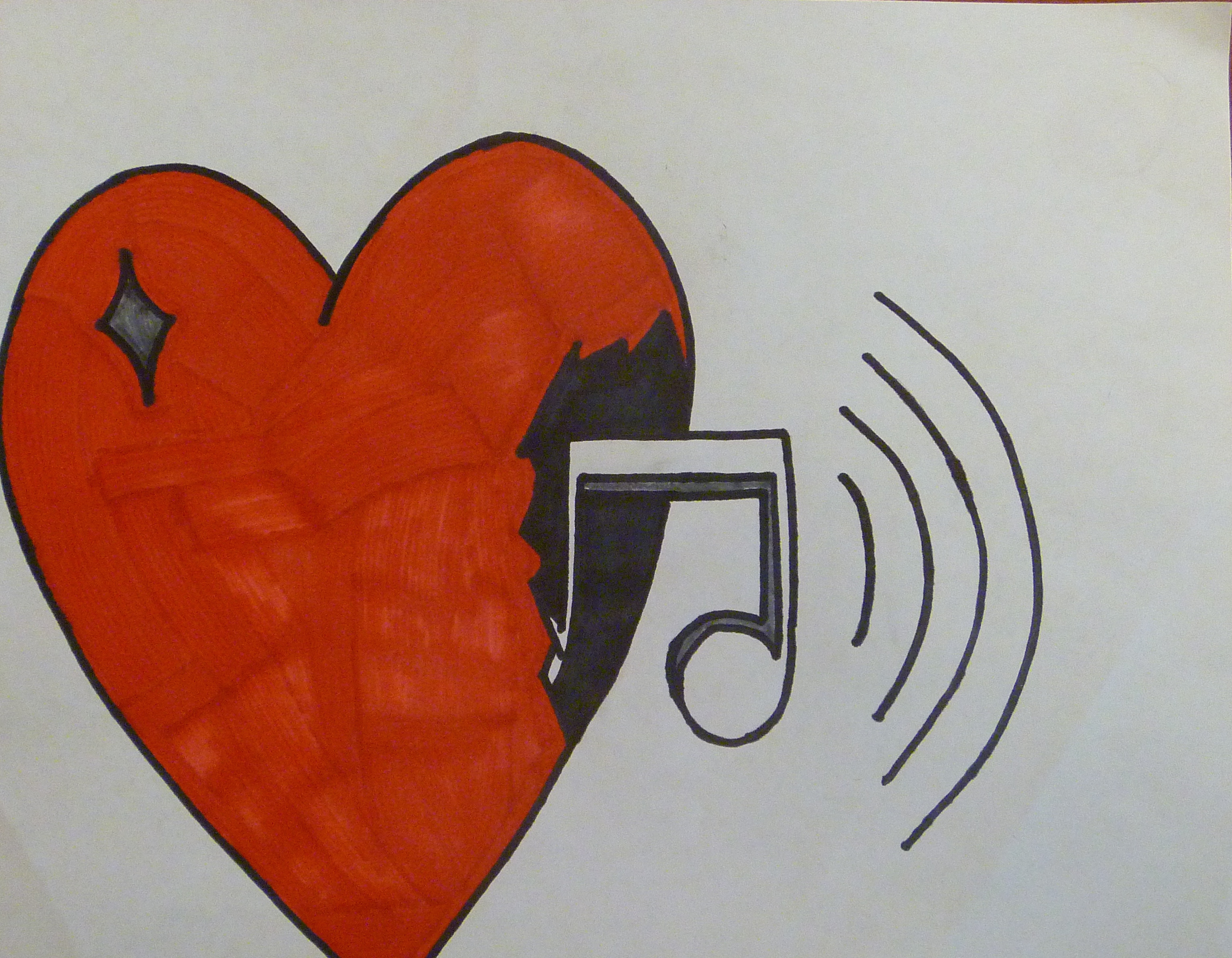
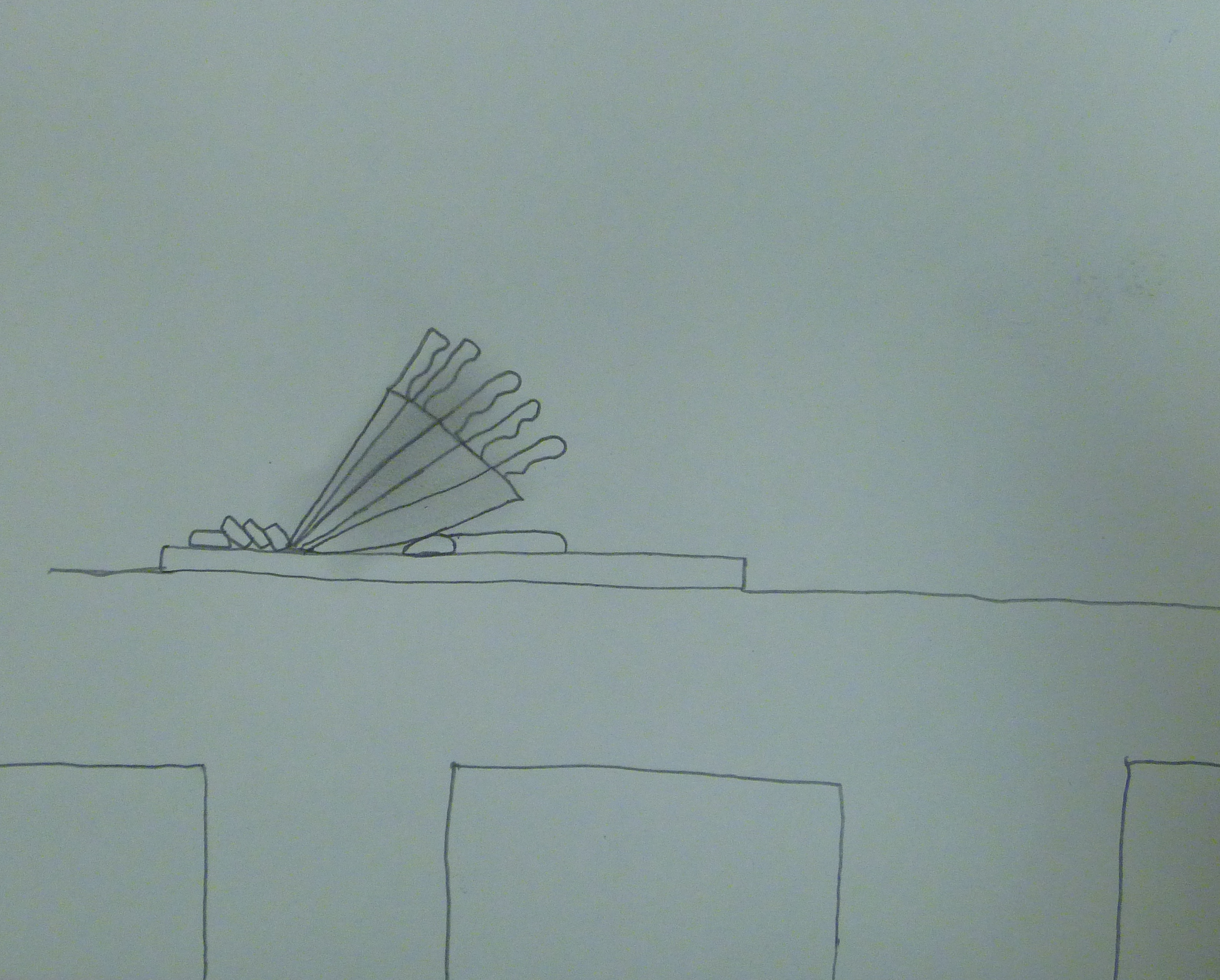
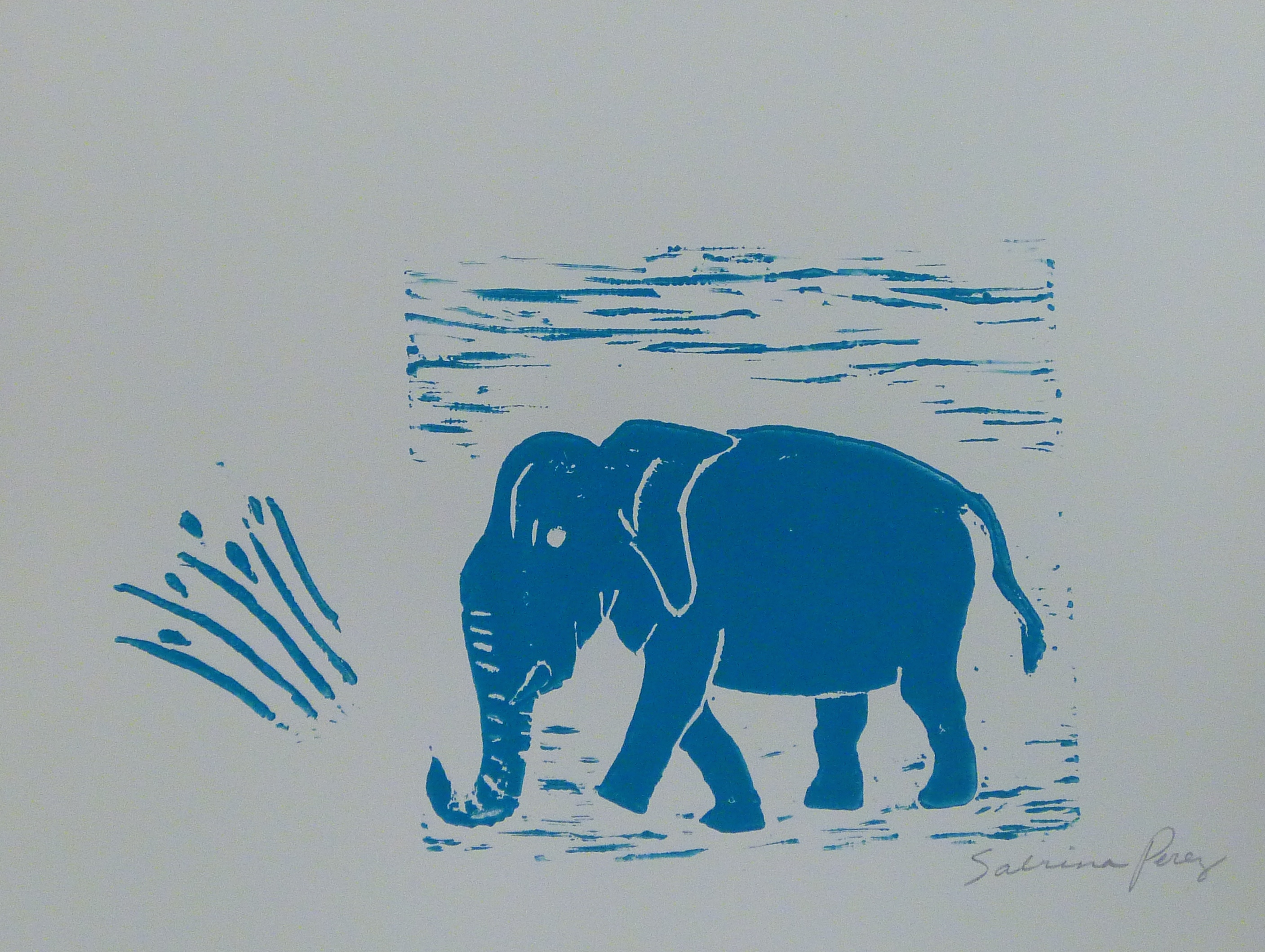
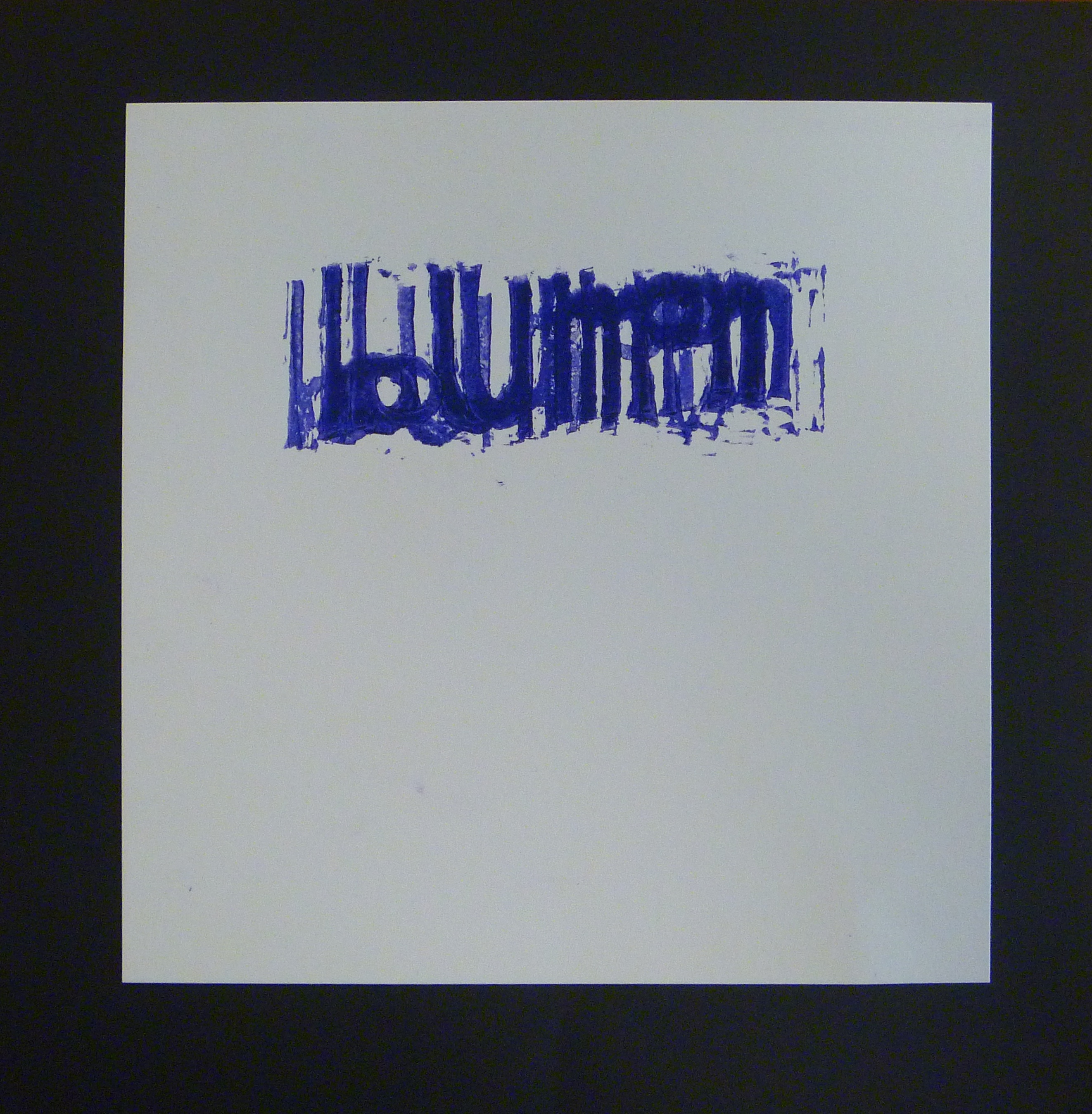
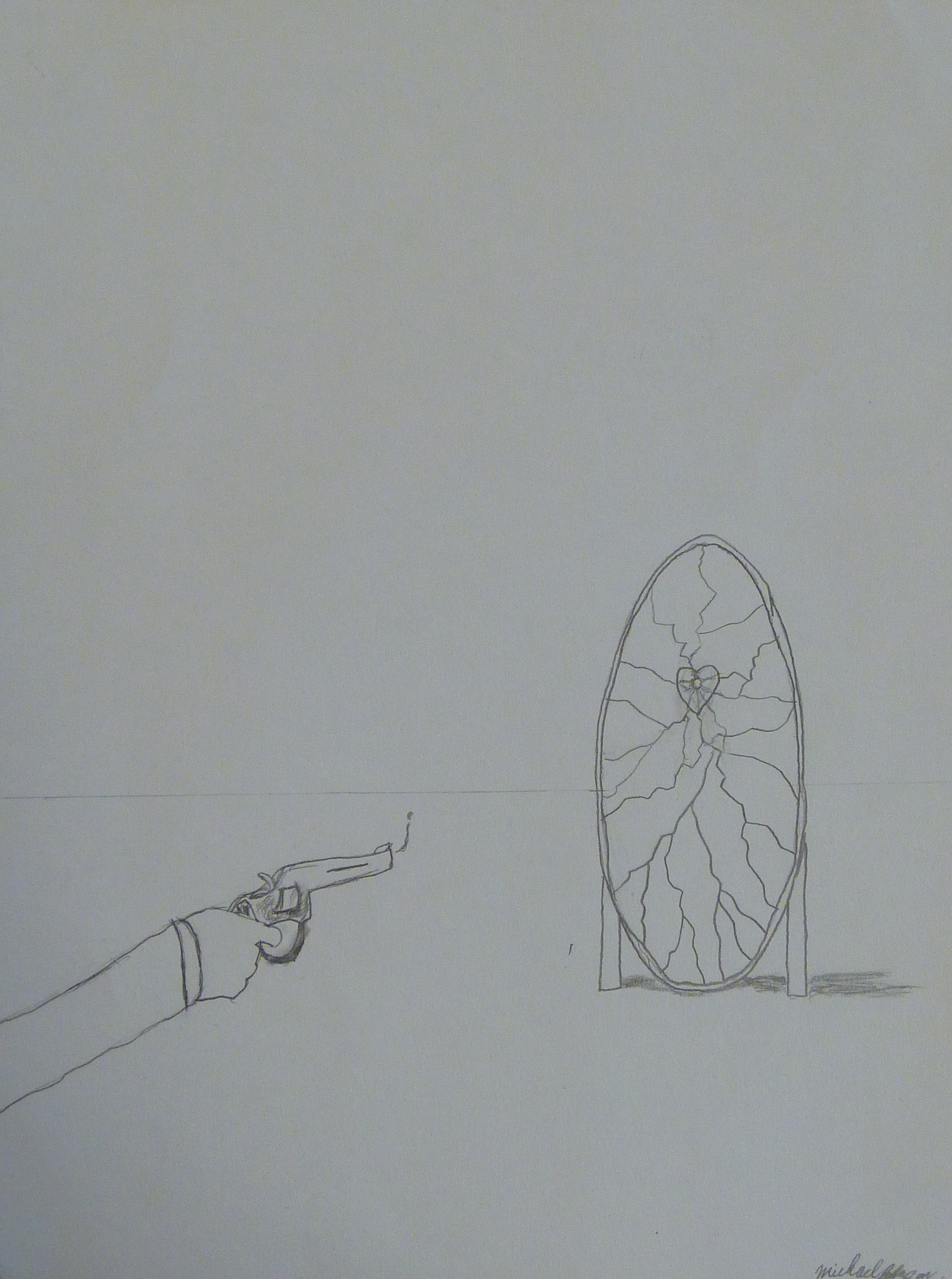
Sound.  Visualize it in your mind’s eye.  It’s not easy is it?  Well, that’s what my art 1 students were tasked with.  They were asked to take something that is not concrete and turn it into something that is.  And, they did just that.  They picked images that remind you of certain sounds…tires screeching, wind chimes in the wind, the quietness of peace, speakers booming, the vibration of bass, the crack of a baseball bat or thunder.

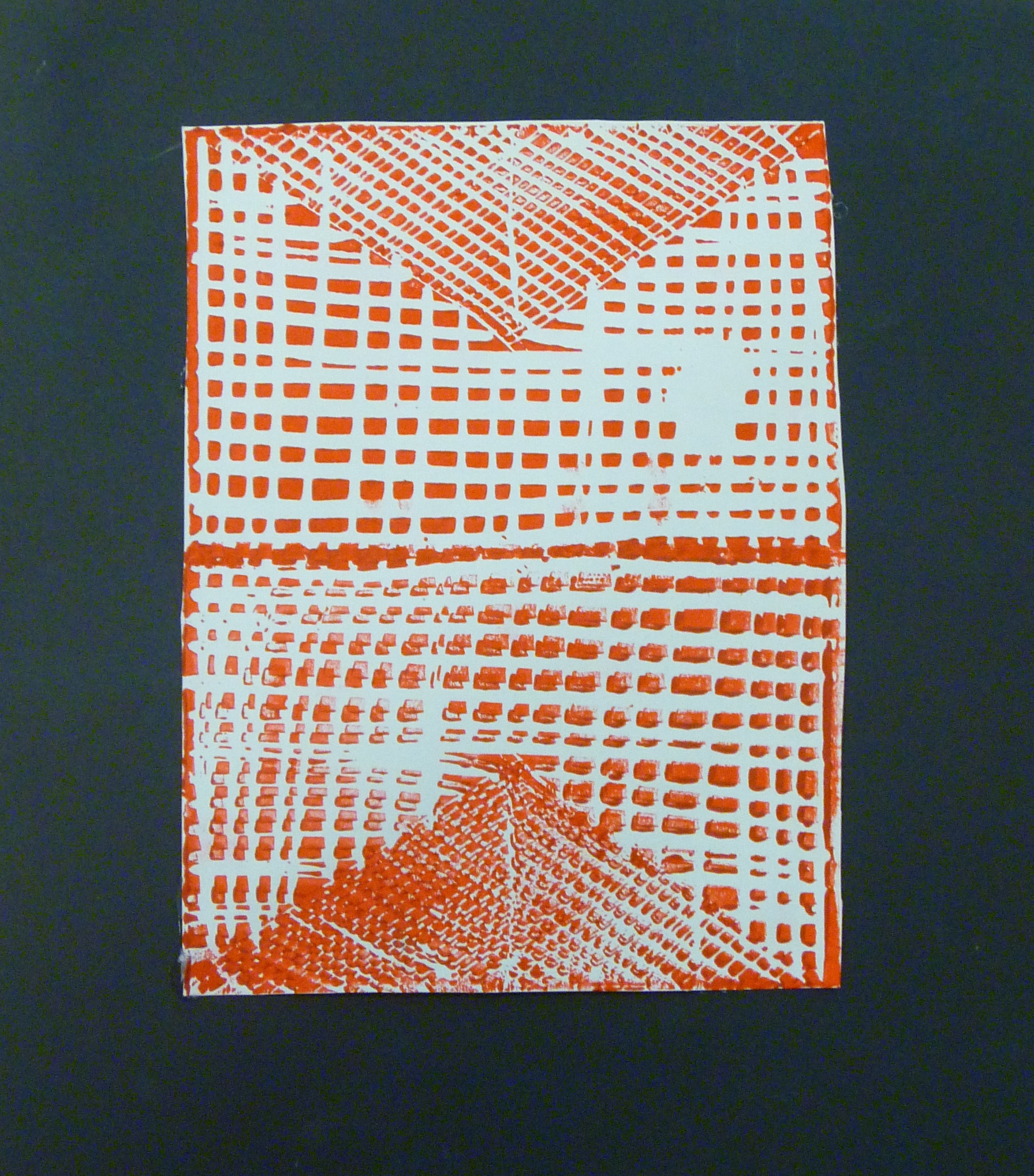
In this unit I introduced block and collograph printing.  Of course, tons of kids wanted to try block prints. I think they did well for their first try.  It was difficult to get them to understand placement of the print on the paper, but luckily I had a template they could use to help them get it right.

I am so pleased with their solutions.  There is so much thought put into these works.  Check out their artist statements telling of their intent and processes.  This is definitely a theme I will use again.

P1050503 P1050508 P1050511 P1050513 P1050518 P1050520 P1050536 P1050537 P1050539 P1050547 P1050565 P1050568 P1050574 P1050575 P1050577 P1050621 P1050625 P1050626

The Art of Being Observed

Standard

Every year it happens…the official observation that one of your administrators must do so you can be evaluated about how good of a teacher you are.  There is always much discussion on this in teacher groups…no matter what subject you teach. Some teachers are all about the dog and pony show–changing lesson plans or adding in things that wouldn’t normally occur on that day.  Others take a more “I’m just gonna go about my business” type attitude.  This is how I teach, come and get it.  This latter camp is where I fall.

Yes, I choose the day based on what we are doing.  And yes, I try to have my observer come in during my best class.  But other than that, I don’t change a thing.  I try to ask for a date where we might be doing something other than just a complete work day, but if I don’t have one of those, I let the observer know and I roll with it.

I don’t agree with the dog and pony show.  I don’t understand stopping what you are doing to show some “home run” lesson. It doesn’t seem honest and authentic to me.  Why would I want an evaluation that isn’t really based on how I am as a teacher?  If it is not something I do everyday, then it’s not me.  I want to show what it is like in my classroom, every day.  I want to know if there are practices I am doing well or practices that need improvement.

I’ve heard some teachers say they show the admin what they want to see so that admin will just leave the teacher alone the rest of the time to do what they (teacher) thinks is good and what they want to do.  This doesn’t make sense to me either. Why would you want others to think you’re something you aren’t?  If you feel you have to change for an evaluation, why is that?  Are you not comfortable with how you run your classroom?

I had my formal observation last week.  I finally received the evaluation on it today.  It confirmed what I had known, that I was doing good things in my classroom.  She saw the learning and creativity that happens every day in room because we ran the room like we did every day.  Nothing changed.  My students did exactly what I thought they would–the participated, they talked, they joked around, they learned, they made art.  They did that the day before my observation.  And, they did it the day after.

The Living Painting Experiment

Standard

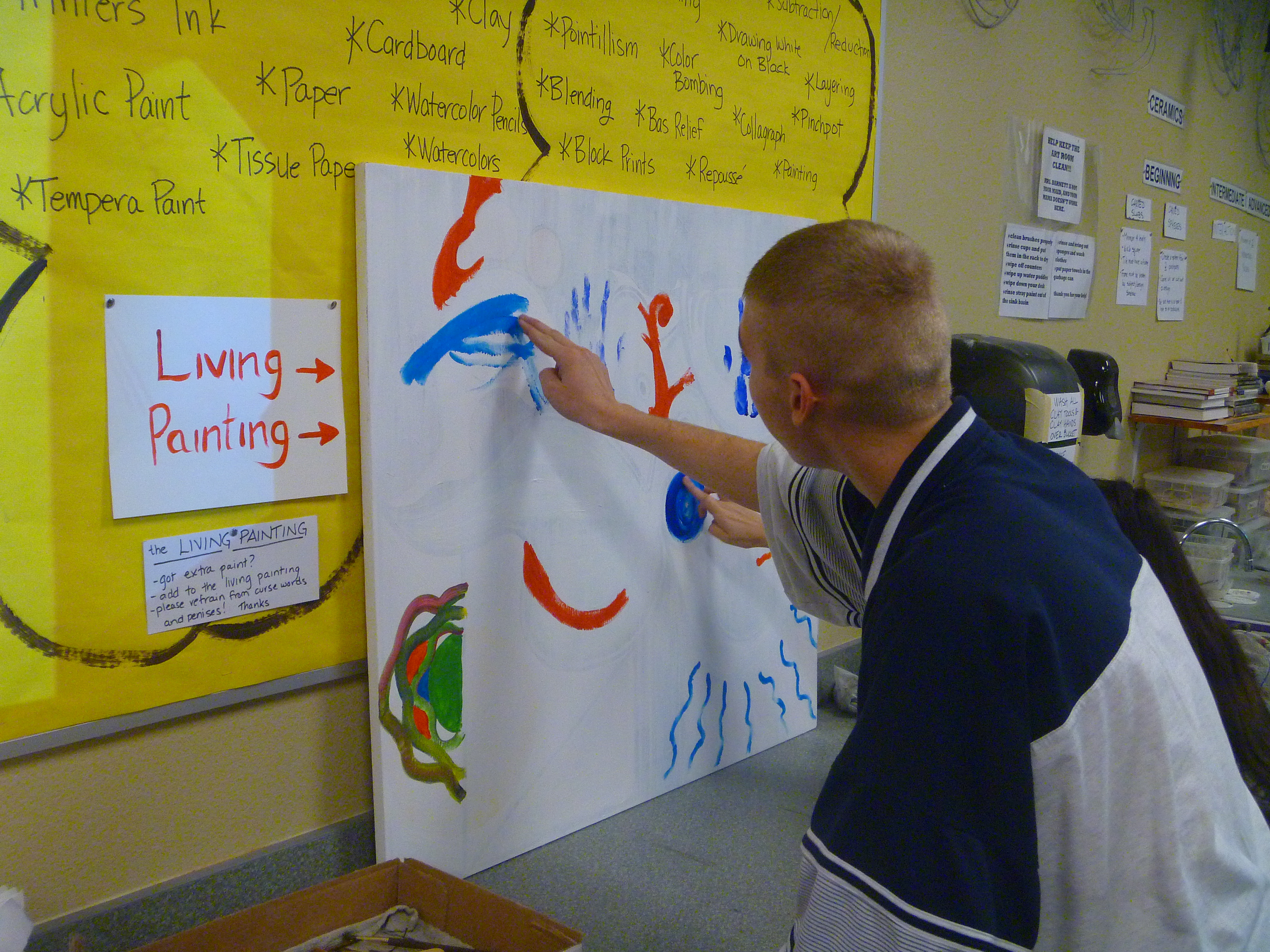
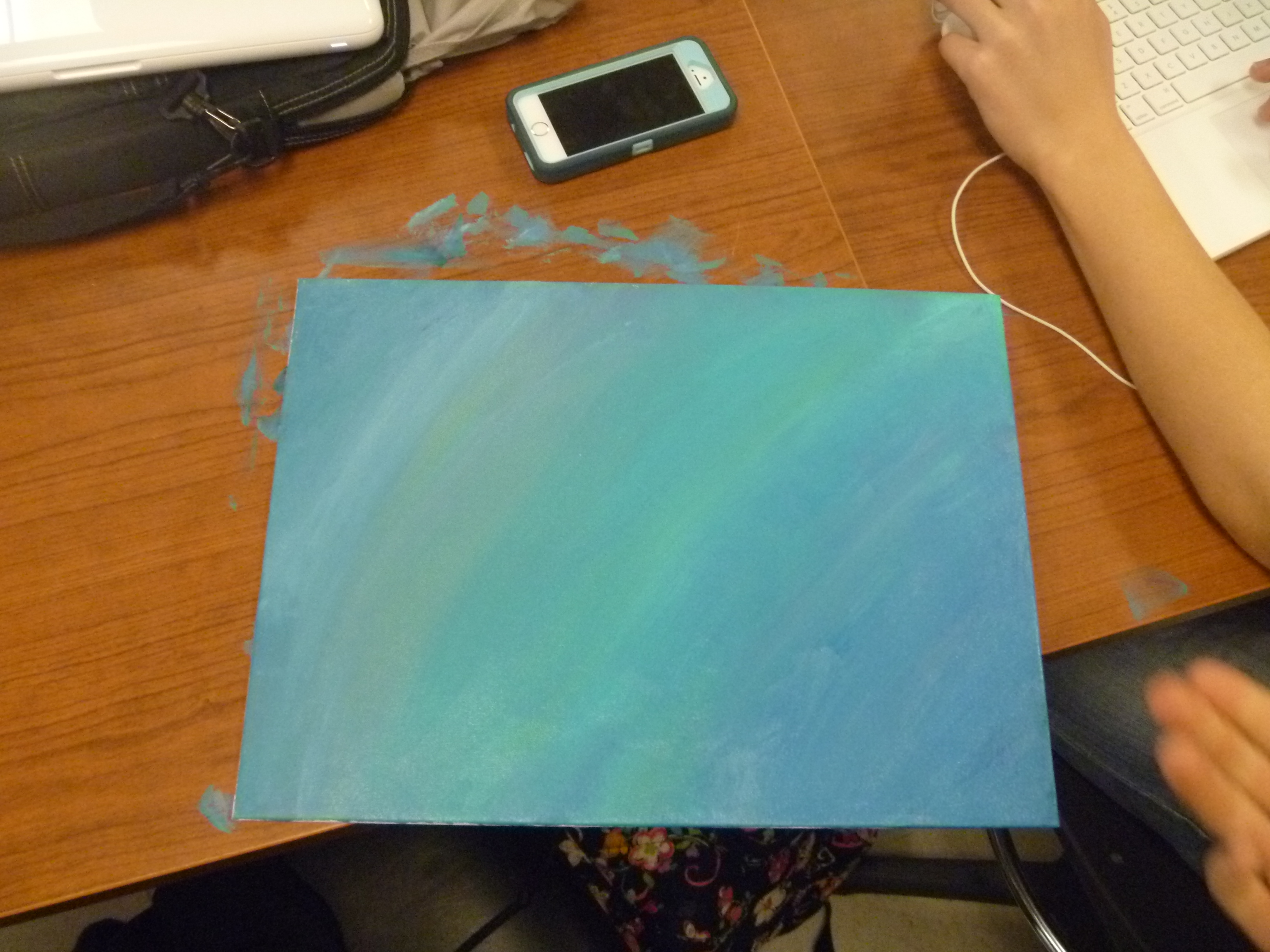
A friend of mine gifted me an canvas that she no longer wanted in her home.  I thought about using the canvas for myself, but I never got around to gessoing over the image to replace with my own.  Then I remembered something I read about on my art teachers group page about how a teacher had this canvas in her room that the kids could paint on when they had extra paint or had finished with their work.

I thought this was a fabulous idea.  So I brought the large (36″X40″) canvas to school and had my aide put one coat of gesso on the canvas.  You could still see the original painting through the gesso, but I thought that might help kids to get started.

I put a sign up that read ” LIVING PAINTING” with a smaller sign underneath.  It reads, “Got extra paint?  Add to the living painting.  Please refrain from curse words and penises.  Thanks.”  (Some of my students are obsessed with drawing, painting, and creating penises.  It’s what they do.)

I introduced them to the canvas today, and they jumped right in.

P1050495

I have included a slideshow of the canvas in the sidebar of my school art blog to show how it changes over time.  I am in love already.

The Importance of Art History?

Standard

Admittedly, art history is probably the weakest area in my teaching.  It is something that I have never had an interest in studying.  It was one of the hardest art courses I took at both colleges I attended.  I have never figured out a way to really make the incorporation into my classes fun, interesting, and worthwhile.

It is an area that I am “supposed” to bring into my classroom.  It is part of the TEKS (Texas Essential Knowledge and Skills) I must adhere to when creating my lesson plans.  I have skated around it for the past 7+ years saying that I add in art history by doing this activity or that activity.  At the beginning, every lesson had an art history component.  I don’t think the kids ever really made the connection between what we were doing and the artist or genre we were “studying”.  In fact, I don’t think they really cared.  Over time, I changed the activity about 7 times…that works out to be some new way to bring it in every year.  I was exhausted.

So, just how important is it that we teach our kids about what came before them?  As an artist, I usually don’t go looking into the past when working.  I am concerned about the now.  When I read about who artists were influenced by, they are usually contemporaries of that artist.  Rarely have I read that an artist was influenced by another artist that came 100 years before them.  This is not to say it doesn’t happen.  I am sure it does…I just haven’t read about it that much.  Many of the artists that I like were/are pushing the envelope of what was occurring at their time or maybe a few years before them…but still to them, contemporary.

So, it is more important that we drone on about the past or that we introduce them to what is happening today?  I lean towards the latter.  I am not dead-set in this opinion.  Convince me that I need to continue to rack my brain figuring out how to incorporate art history more that showing images of artwork that illustrates a theme.  Tell me why–beyond because it is important to learn what came before.  Tell me that it is more important to know these things for something more than being able to answer questions on Jeopardy or Trivia Crack.


“Art needs to be socialised, and you need a lot of context to understand that, and that doesn’t mean having read a few art history books.”                                 ~Peter M. Brant

A Great TASK to Help Start the New Year

Standard
A Great TASK to Help Start the New Year

Today was the start of a new semester at school.  I thought we needed to start off with a great activity–one that would shake off the slumber of winter break and ring in creativity and imagination for a new year.  And what better way to do so than have a day-long TASK party.

What is a TASK party you ask?

You can also find a previous post on TASK here.

I pulled out a bunch of supplies I had in my storage room:  yarn, egg cartons, craft items, fabric, 12″ dowels, wooden hearts and starts, buttons.  I plugged in all the hot glue guns we had.  I grabbed the large rolls of colored paper from the faculty lounge.  And, I started with a container full of tasks.

This party was to last all day.  I have 7 classes.  Once I started the party, I only broke for lunch, which consisted of writing more tasks.  This was the only place the students faltered…well, and when it came to blindly picking a task.  (Many wanted to pick and choose their task.  It was hard to stop them.)

It really was a fun day.  A few kids fought it at first, but ended up having a good time.  I think they need that time to play.  High school kids don’t often get that anymore.  And bonus, no one was on their computer today.  I wish I knew how many tasks were completed today…or at least attempted.   It would be fun to figure it out.  Perhaps next time.

By the end of the day, my feet were killing me and I was tired as all hell.  But, I had a counter full of artifacts.  I had a hopscotch board on my floor, and I had 2 body outlines–one in dry erase marker and one in tape.  (Just an FYI–certain dry erase markers don’t come off the floor so easily.)  I had a roll full of photos of the students making and laughing and creating and smiling.  I had a heart full of memories. And, I think it set the tone that creativity is welcome here–and encouraged.

This slideshow requires JavaScript.

Best of 2014

Standard

Social convention tells me that as of midnight on December 31st, the year has come to an end.  Even though it feels strange to look back over what seems like 2 years, I do want to celebrate the fabulousness of 2014.

I am in the middle of my 8th year, and quite arguably my best year…yet.  Compared to some, I’ve had quite a calm time during my career.  While I’ve had the same job these 7.5 years, I’ve been through 2 buildings, which means 2 art rooms, 6 different assistant principals, 2 head principals, and 2 superindendents.  Co-workers have come and gone, but some things always remains…the creativity, the fun, the awesomeness, and the memories that all happen in my art room.

Without further ado:

January:

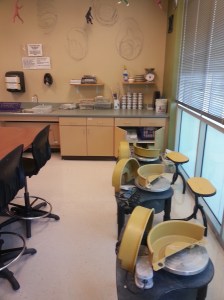
January not only began the new year, it also began a journey going from offering sculpture classes to ceramics classes.  I had been feeling such disconnect in the learning and mastering going on. My principal gave the green light to test it out starting in the 2nd semester.  Here it is, a year later, and I am so glad I did.  The learning and growth the kids are showing is amazing.  Everything I felt was missing from my sculpture classes have surfaced in ceramics.

P1030554 - Version 2


February

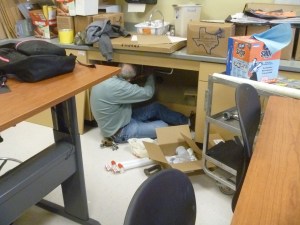
February brought the smell that rocked the school.  My sinks had been starting to drain super slow, so I put in a maintenance request.  The plumber came out, thinking it would be an easy fix.  Nope.  He opened up the drain and the sewage smell was horrid!!  It made the entire school smell.  We had to leave for the day and I ended up running my classes from the tables at the front of the school.  We were without water for about a week or so while they waited for the gleco traps to arrive and be installed.  Since then, it has been a great improvement in clay clean-up and the smell in my room. 😉

P1030563P1030559P1030562 running_water


March

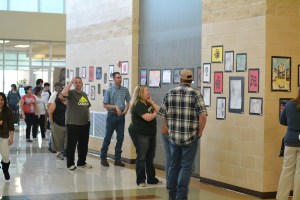
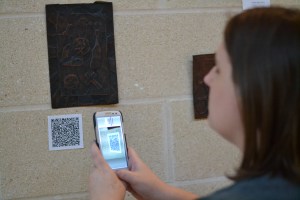
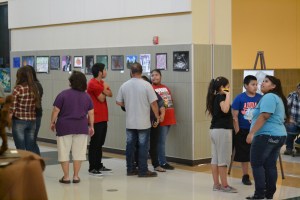
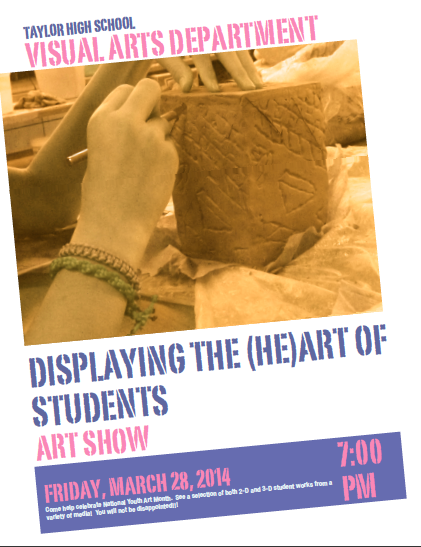
To celebrate Youth Art Month, I put on my first art show at the high school.  In fact, I think it was the first show dedicated to high school art.  We hadn’t had one in the time I had been there, and I didn’t know of there being one prior to my time.  It was a lot more work than I had thought, but it was worth it. Work was included from almost all my students and from many of the students of the other art teacher. Formal invitations were sent to parents.  The culinary students made apps for us.  QR codes showcased a little bit about senior artists.  And the entire first floor was full of amazing 2-D and 3-D work.  It was a huge success!!

Screen shot 2014-03-23 at 1.42.25 PM DSC_0076 DSC_0082 DSC_0106 DSC_0117 DSC_0096


April

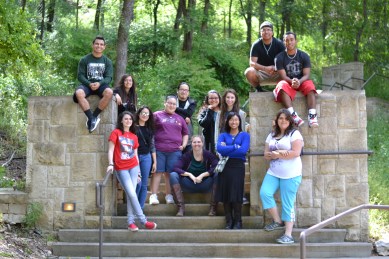
3 words: Umlauf Sculpture Garden.  I took my intermediate and advanced students on a field trip to the sculpture garden.  This was a very important trip for us.  None of my students had ever been to a museum.  All of the students, except one, were seniors, so it was a nice way to end the time I had with them.  I had most of them for at least 3 years as students, and a handful for all 4 years.  They had such an amazing time.  It is a trip I will never forget.  #THSSculpture 4 Lyfe!
DSC_0105


May

My favorite memory from May was graduation night.  I walked around the church where graduation was being held and took selfies with all my favorite students.  It was so much fun.  One of my students refused the selfie and had us pose nicely.  I love the pictures of us.  I am so proud of them.  I miss them so much. I know they are off living their lives and becoming better people!


Summer

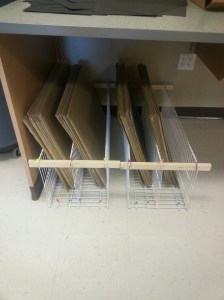
The summer brought a lot of work for me.  I spent much time researching and building.  I was making the switch to a TAB classroom come September and I wanted to be ready.  I continued my research about running a TAB classroom.  I was able to procure a ton of plastic bins and boxes from a friend who was moving to England.  I build new storage units for supplies.  I made a new website. I did some professional development.  It was a summer jam-packed with all good things.  And, don’t worry…I had some fun relaxing too.
wpid-20140813_103738.jpg20140822_11191620140822_112102wpid-imag0367.jpgwpid-imag0372.jpg


September

I was so nervous in September.  Was I doing the right thing?  Was TAB going to be worth it?  About 2 weeks into our first units, I knew it was right.  Every artwork was different.  Every student was invested. Every student had a voice.  And, it wasn’t the hard work I thought it would be.  Yes I was constantly moving, but it was fun.  I felt so energized at the end of the day.

P1040280 P1040299 P1040303

P1040326P1040288P1040296


October

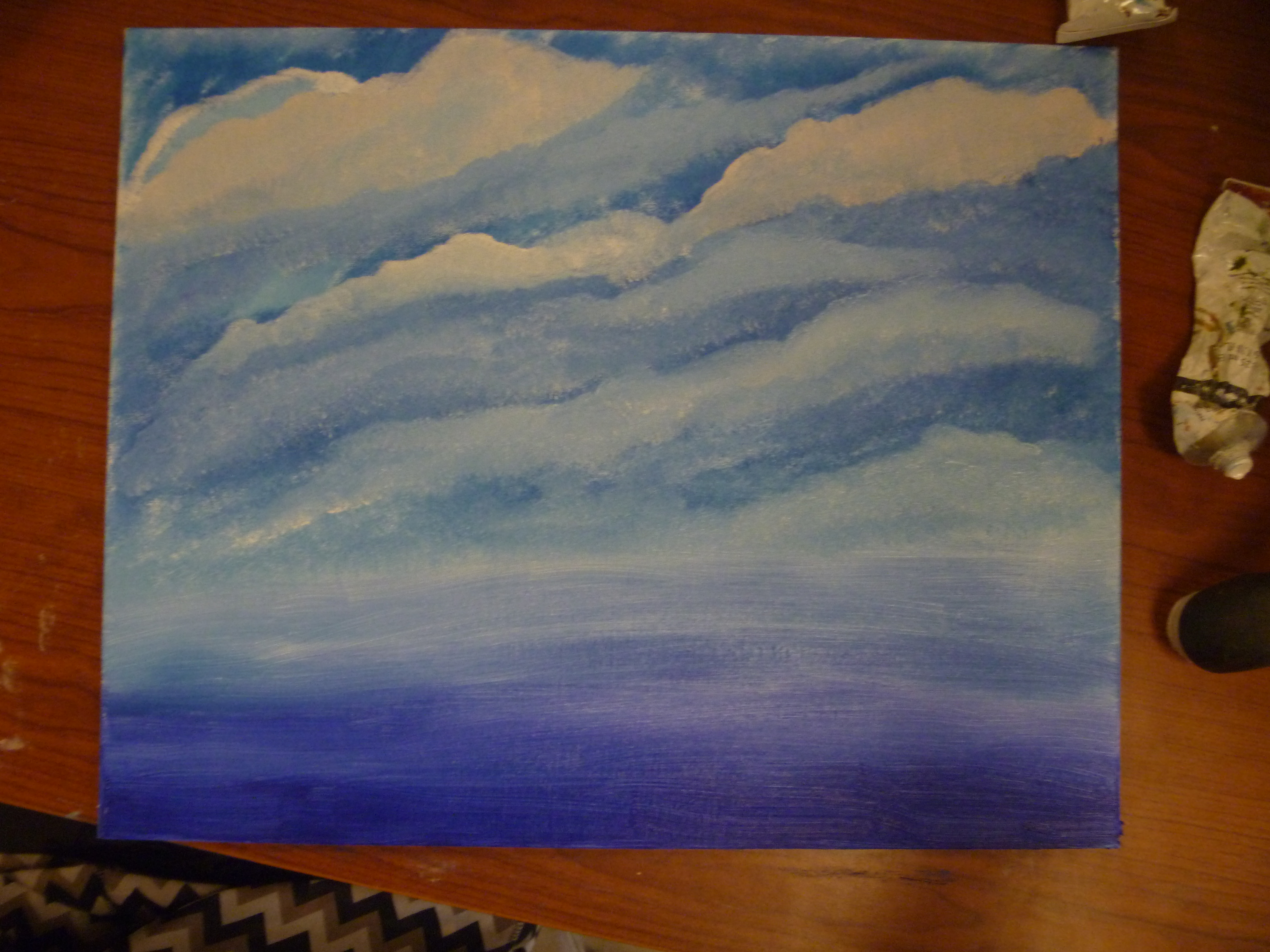
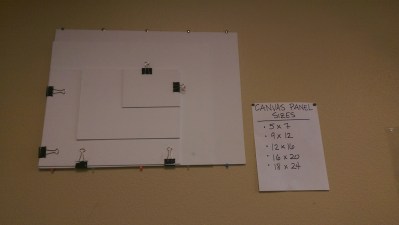
October brought me Donor’s Choose.  I had created a project to help fund canvas boards for my students.  It was funded within a 2 weeks of my creating it.  I am so grateful.  It really helped me to get other supplies for my students.  My kids are going through the canvases–both exploring ways of painting and creating some fabulous pieces along the way.  I again can’t thank my donors enough for what they brought me and my students.
wpid-imag0368.jpgP1040736 P1040779 P1050025


November

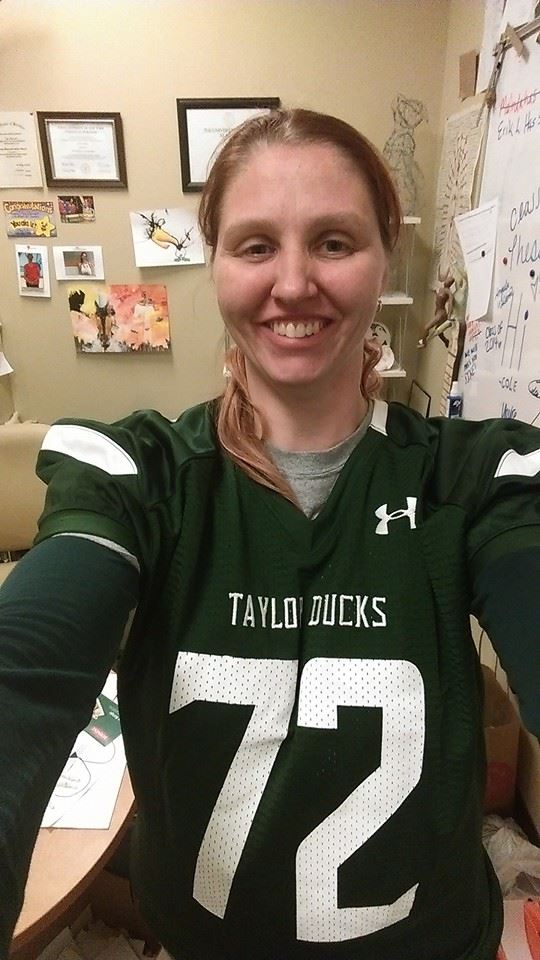
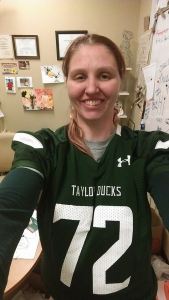
I was honored by the football team in November as their final choice for Teacher of the Week.  I still can’t believe that the guys chose me.  It was an amazing game and I was able to see the boys in a new light.  I still haven’t given the jersey back…I figure I have time until next season.
10406732_10105316807377270_6440602375597769091_n


December

December wrapped up my first semester teaching in a more student-centered direction.  I loved it.  I learned so much this semester and I grew so much.  My students learned so much and grew as artists.  It was/is a win-win situation.  It was the right decision to move forward with TAB, and I have no plans on turning back.  My students think it was the right choice too.  Here is my post about it.


Looking Ahead

I look forward to the new experiences that will occur in my classroom in 2015.  Sculpture will become a choice in Art 1.  Ceramic students will start to be given more choice.  A trip to New Orleans for the NAEA conference–I am presenting to boot.  The 2nd annual art show.  Tears of joy will be shed as this year’s seniors spread their wings to fly.  And so much more.

Choice and the Ceramic Classroom

Standard

As you may know, I have changed the majority of my classes to a TAB/Choice-Based classroom.  And, I love it.  The work is authentic and I feel students are really learning and creating something they are invested in, rather than just going through the motions.

Well, how do I do that in a ceramics class?  That has been an internal issue I have.  I want to bring choice to them, but felt that I couldn’t just jump in.

I did with my intermediate and advanced class, but they are really my guinnie pigs.  I have told them as much too.  There are only 6 kids total in those 2 classes, and 4 of them took beginning ceramics last year. But it was only for a semester, so in reality, they are technically beginners.  It’s a long story.  Anyway, they know the basics and are just given themes to work with.

That is my plan for beginning ceramics…to eventually bring a theme for them to interpret how they see fit and to choose the best building method to carry it out.  But first, I felt they really did need to have some basics.  They needed to learn how to use slabs, how to coil, how to score and use slip.  From there, then they could explore further.

I know many are ready to break free, even though we haven’t covered coil yet.  But, am I ready for them to break free?  There will be some things I will show them as we go along–engobes, slip casting, mold making, the potter’s wheel.

Can I really treat my ceramics class in a similar fashion?  Can I just show them a demo, record it, and have them refer to it later if need be?  Will that be enough? Can they just have a theme to interpret and explore?  I guess after the coil lesson, we will find out.

Ceramic Spheres

Standard

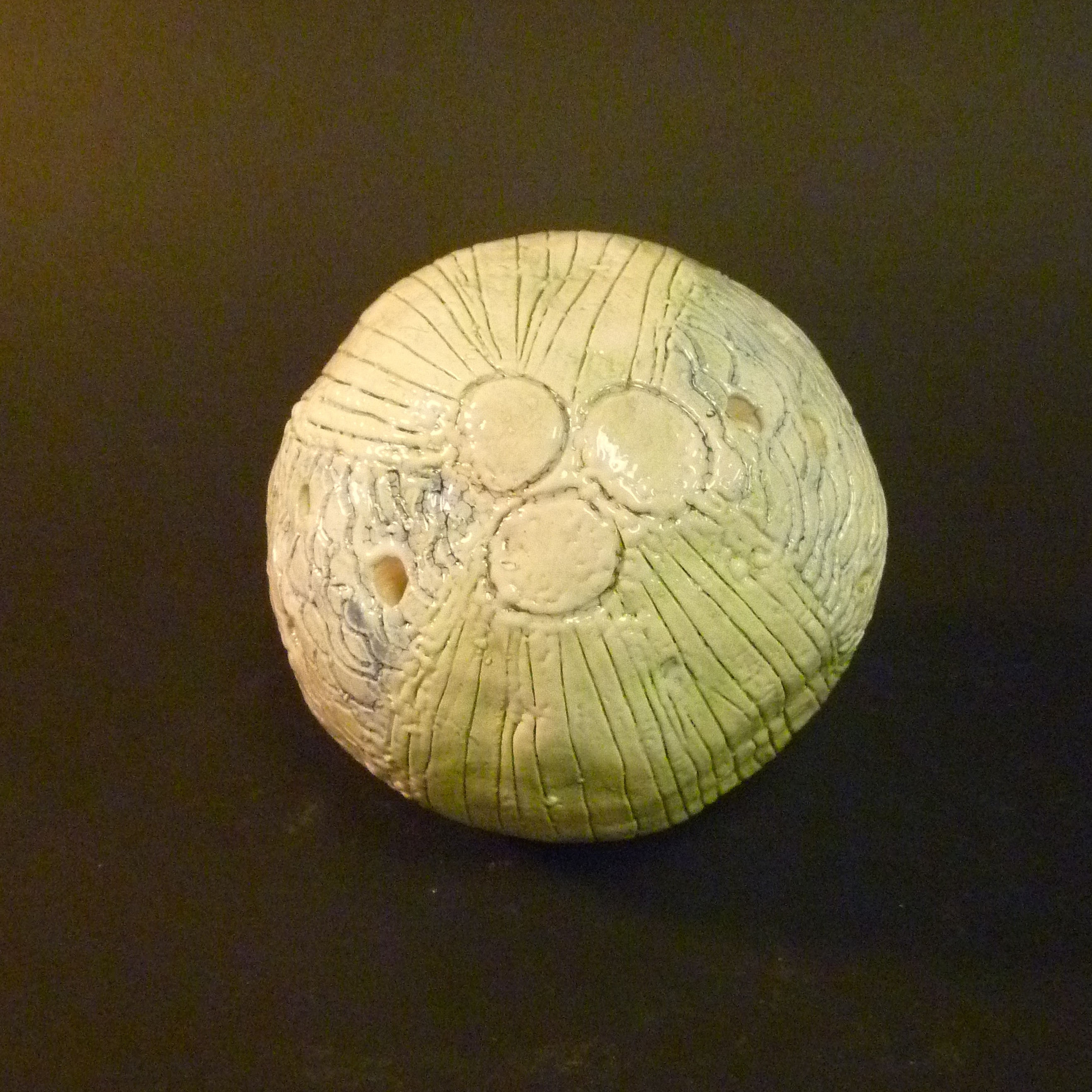
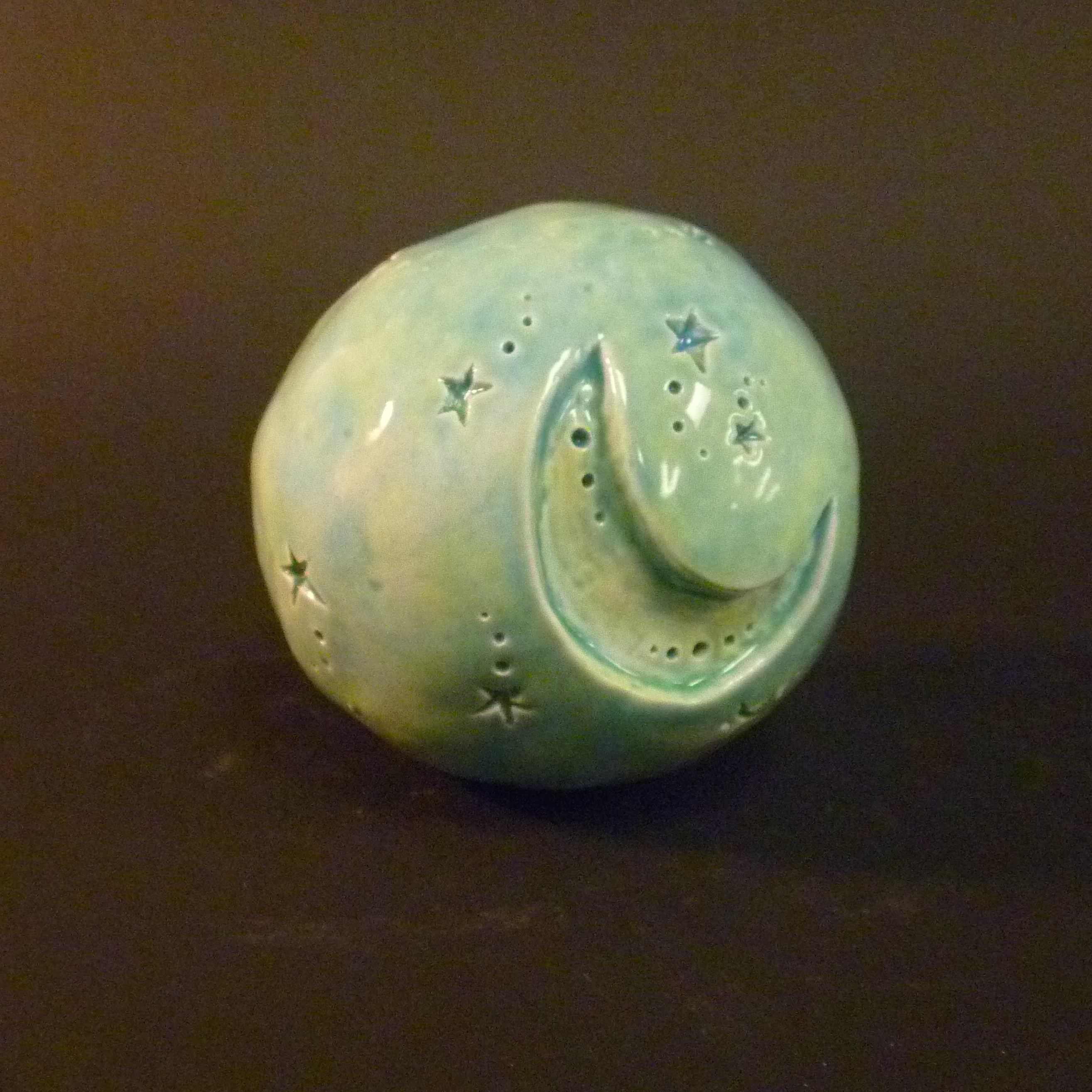
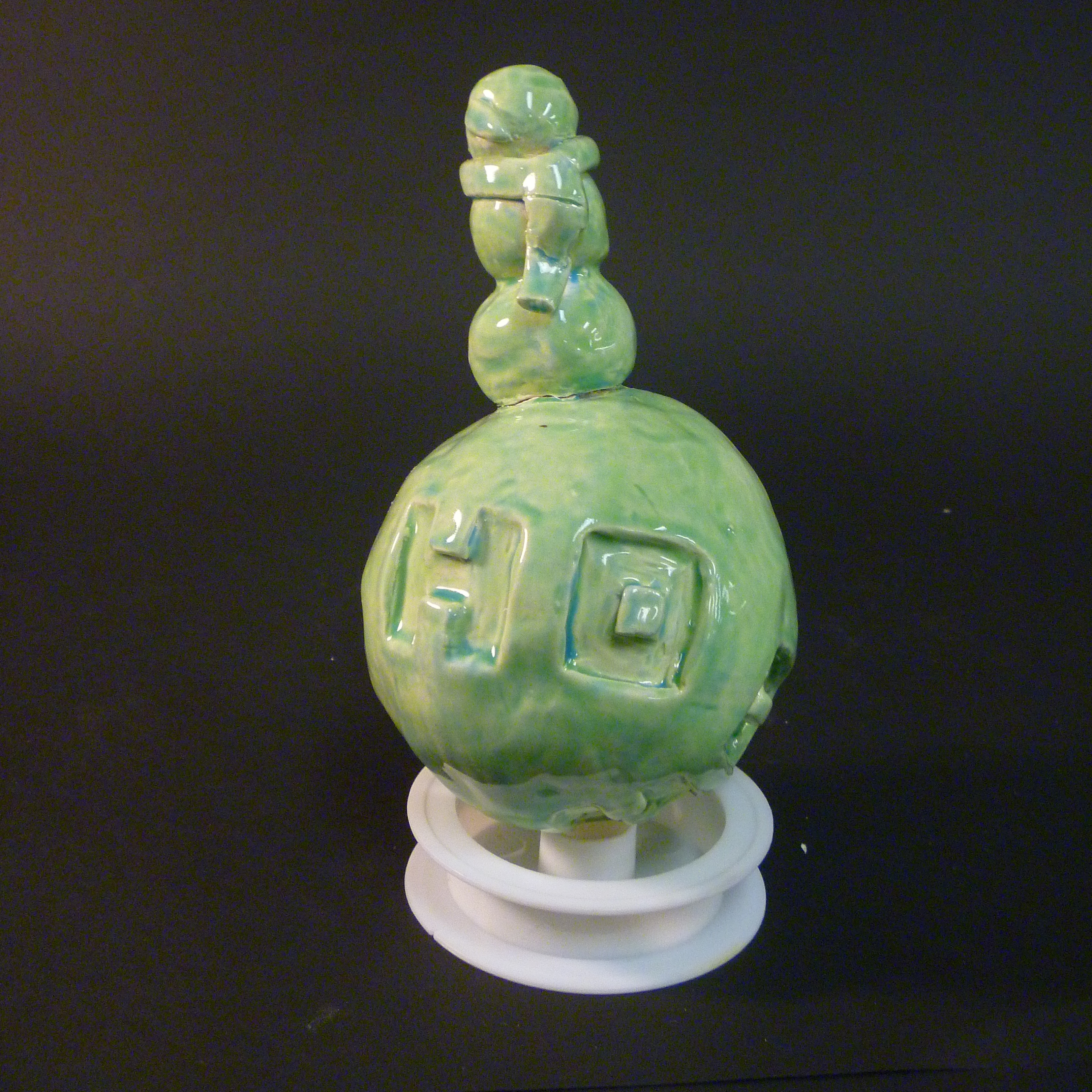
My beginning ceramics students are slowly learning the basics of hand-building in hopes that soon I can let them enter a more choice-based atmosphere.  One of the basics we learned was the pinchpot.  In Art 1, my students create pinchpot monsters.  I wanted to do more than that in beginning ceramics class.  I also wanted them to continue to practice carving, which we had done in the previous unit, carved slabs.
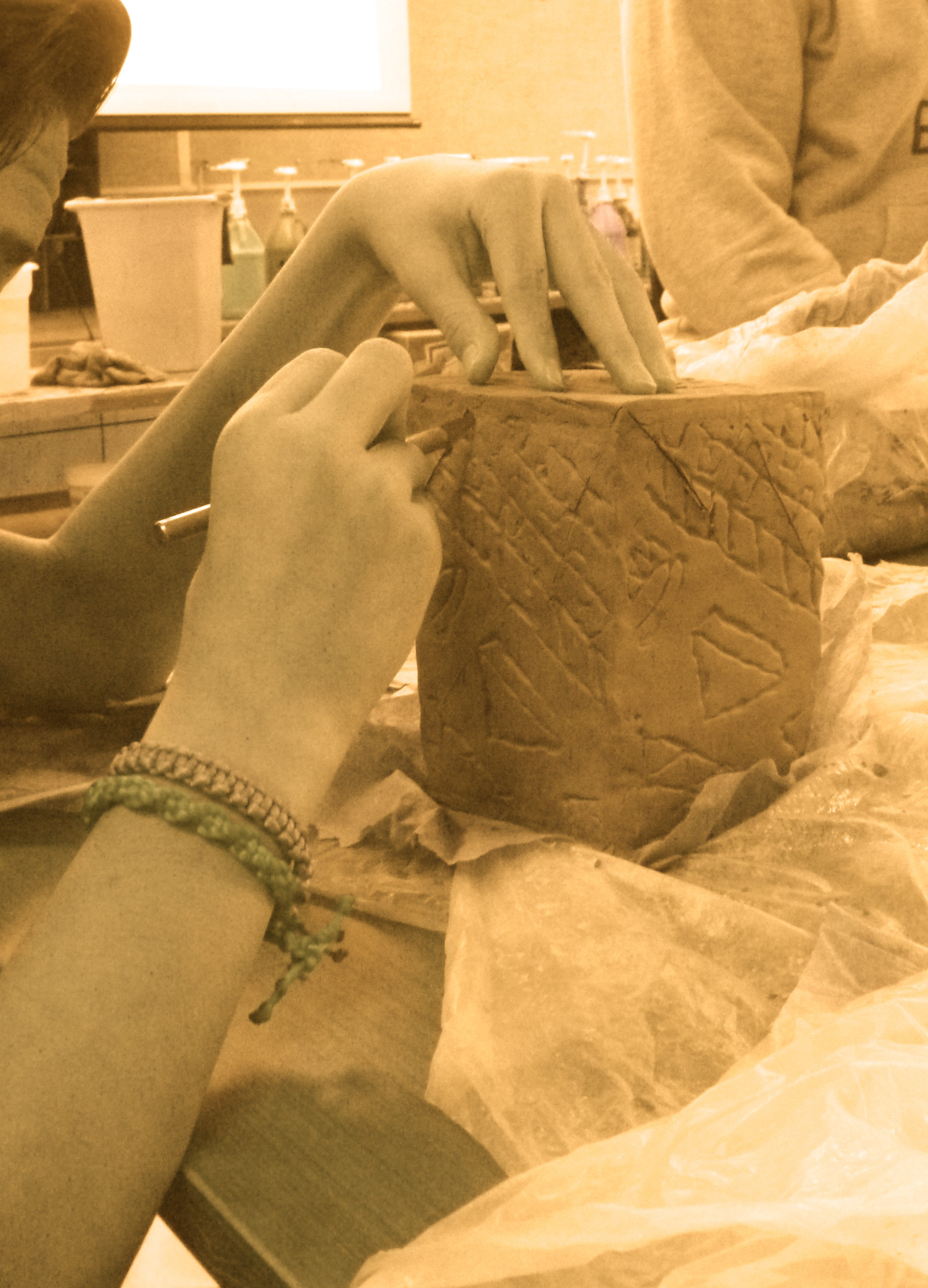
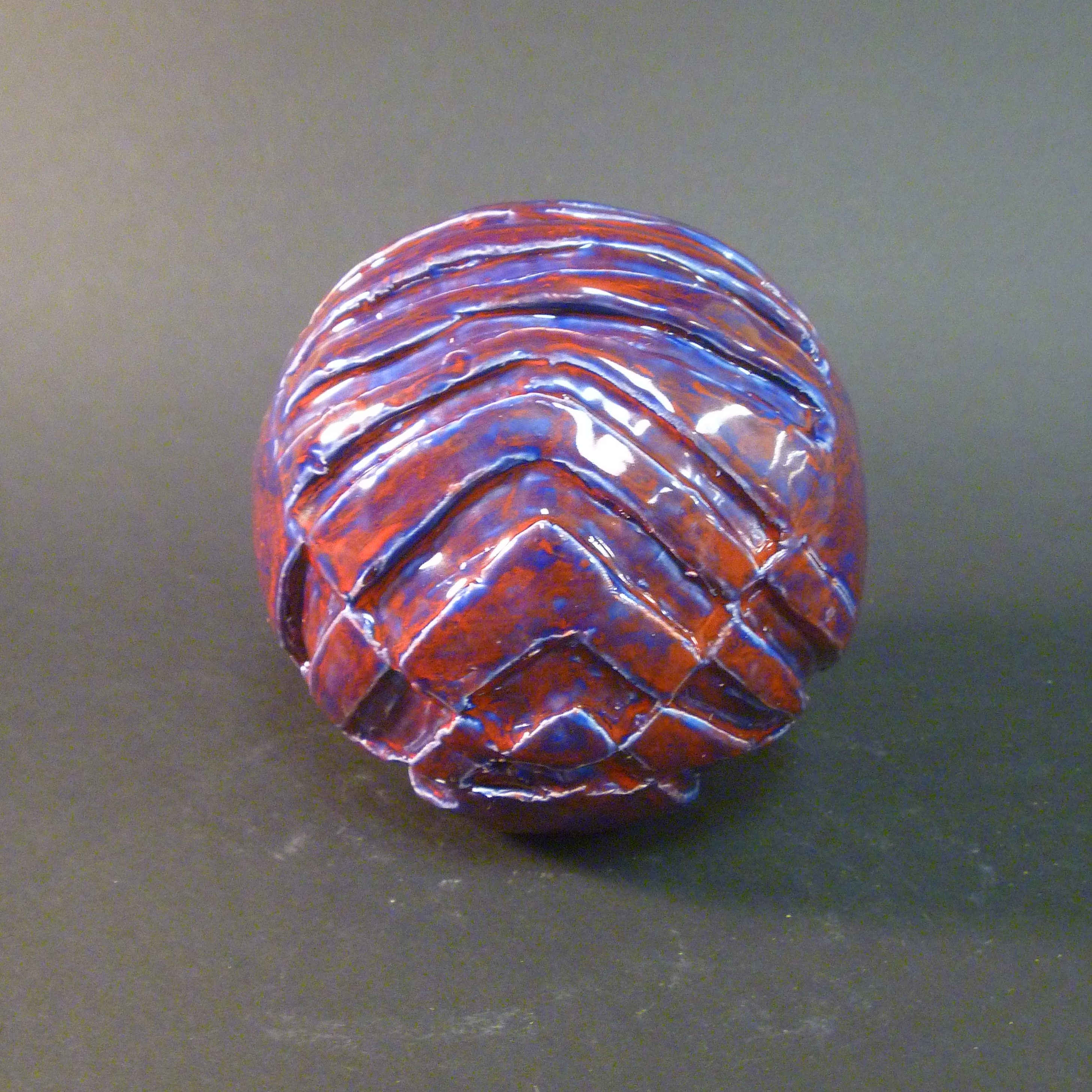
Students created 2 pinchpots and scored/slipped them together to form a sphere-like shape.  After letting it firm up some, they were to carve, incise, and/or cut into their sphere.

Some kids spent a lot of time figuring out their designs.  Other just went for it.  Two kids added to their sphere.  But, they all learned a lot about thinking in the round and time spent in the air.  A couple commented that their carving got better, even though it was much harder to carve a round surface than it was the flat surface.

The last thing we did was glaze them.  For this I had them choose from the test tiles they had created.  They could choose from their samples or from any sample from the other students.  Luckily they all took good notes.

Here are some of the results.

P1050151 P1050152 P1050156 P1050160 P1050161 P1050165 P1050166 P1050173 P1050174 P1050177

Clay Slab Tiles

Standard

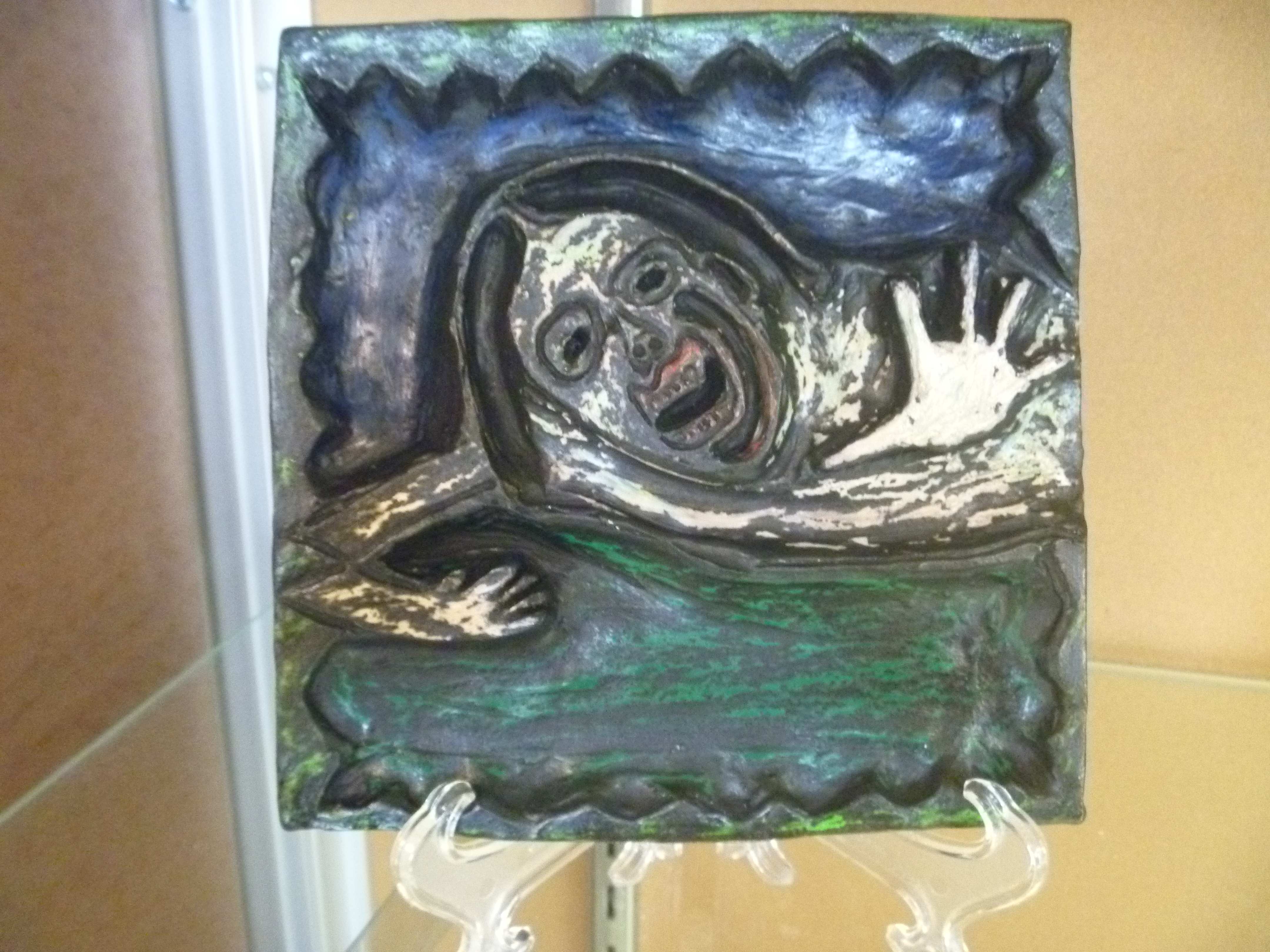
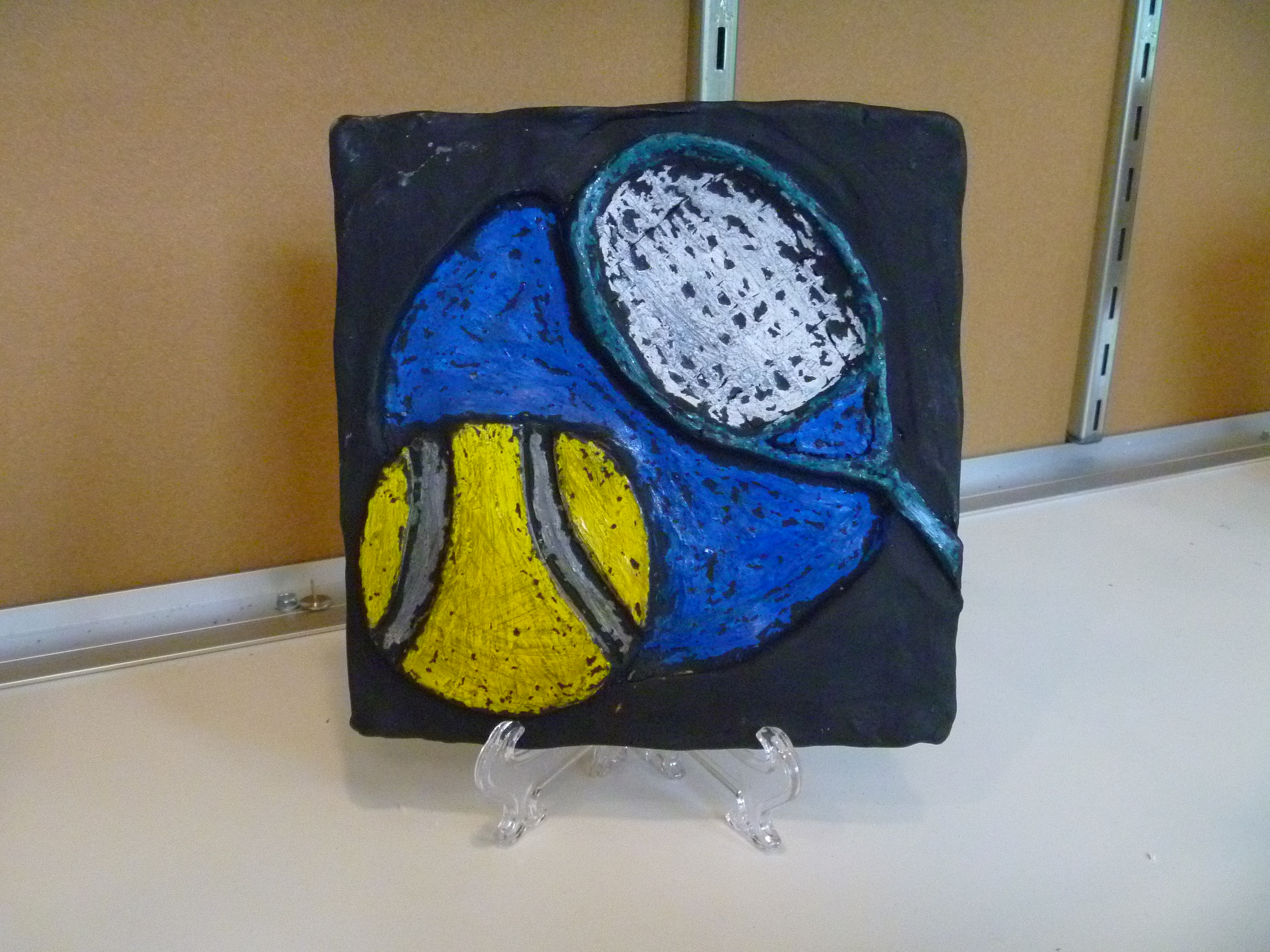
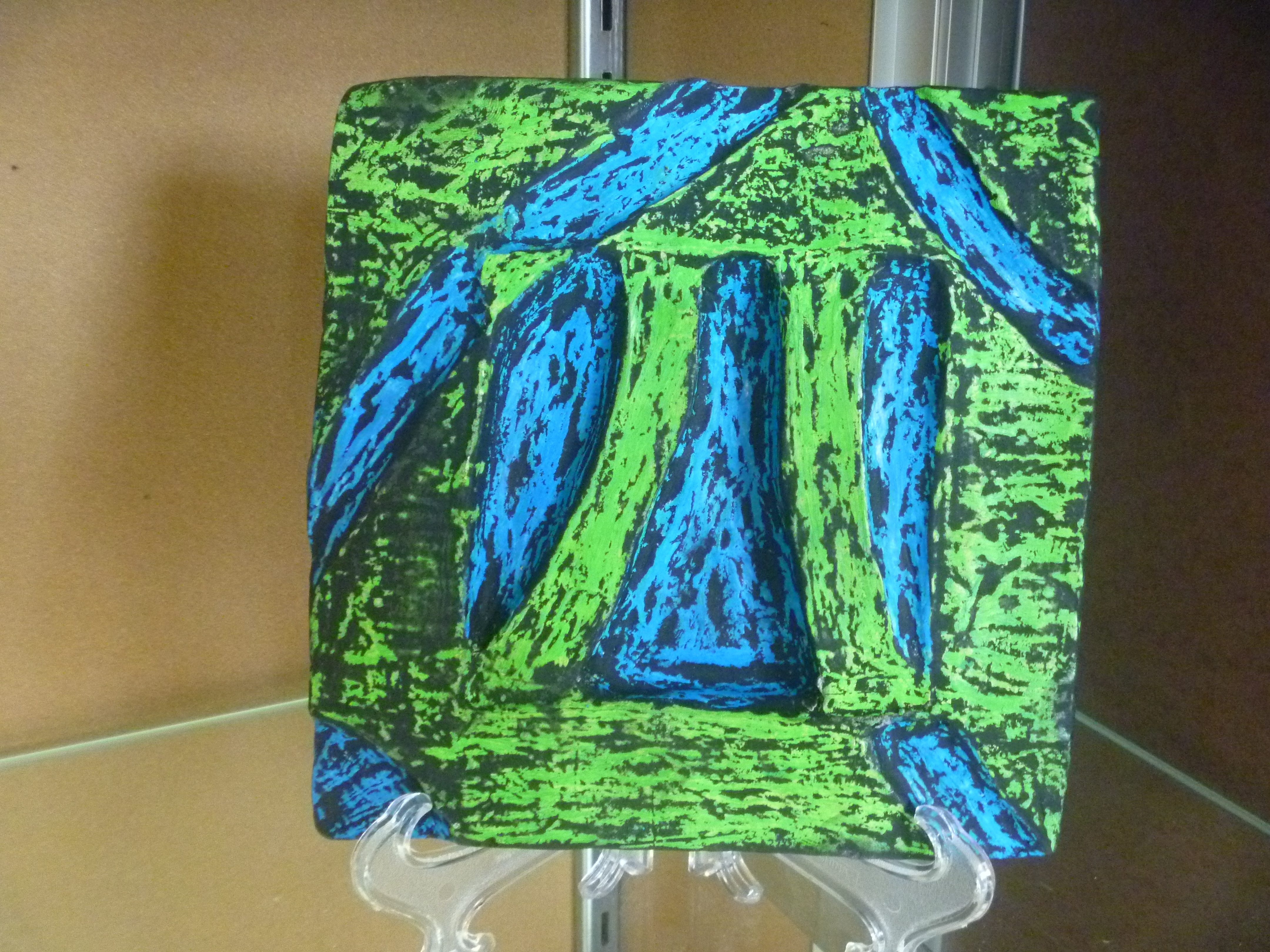
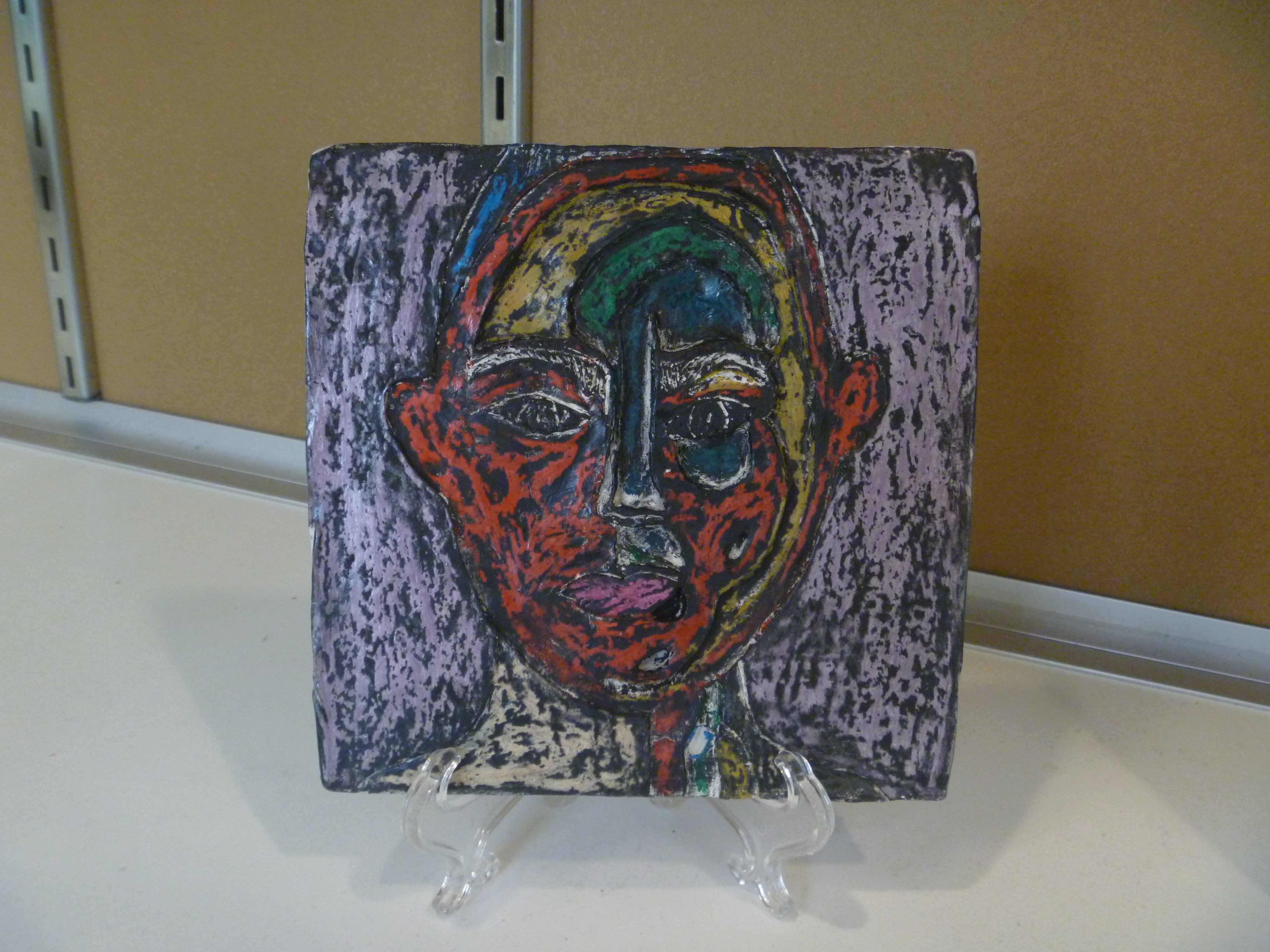
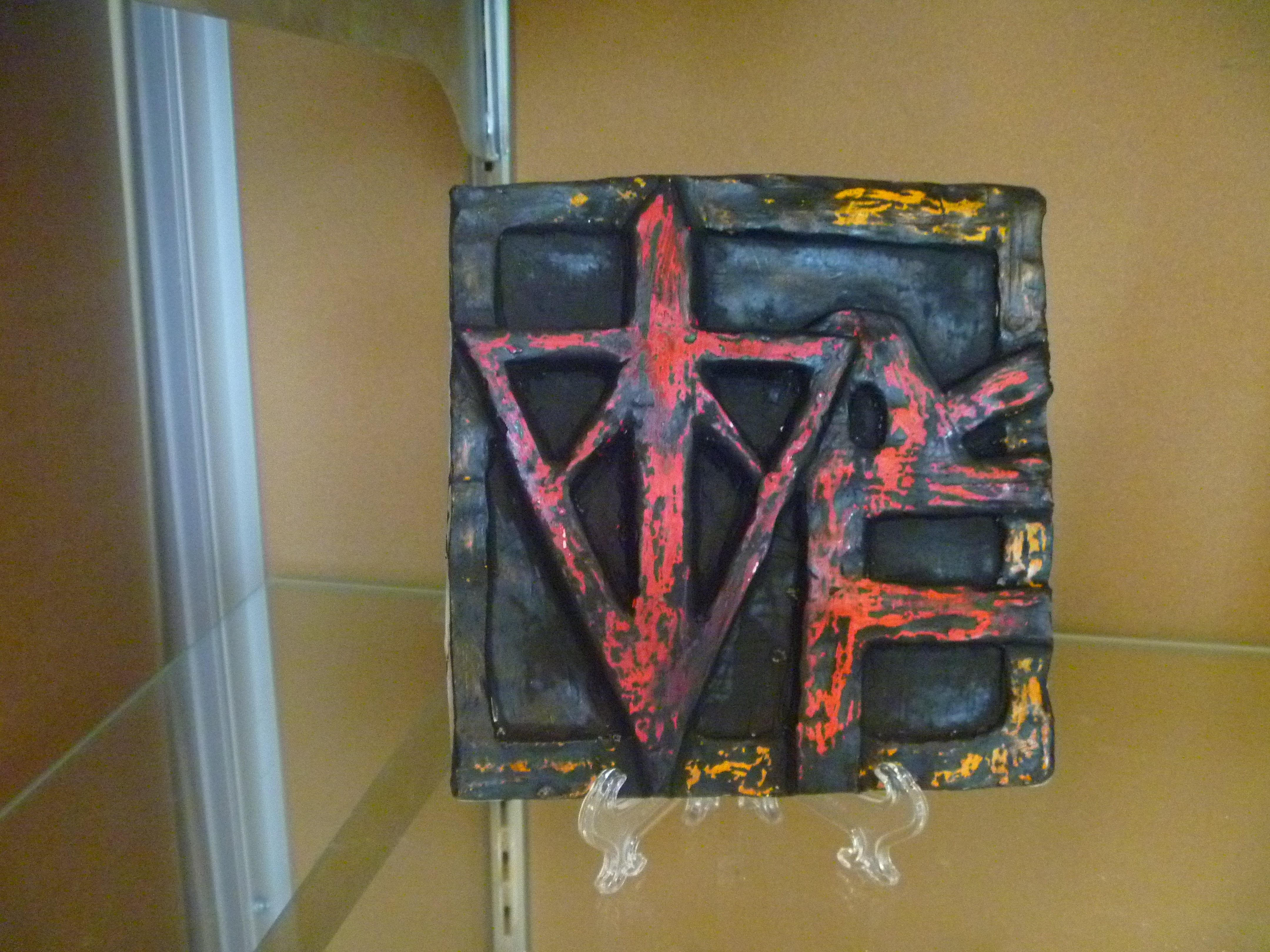
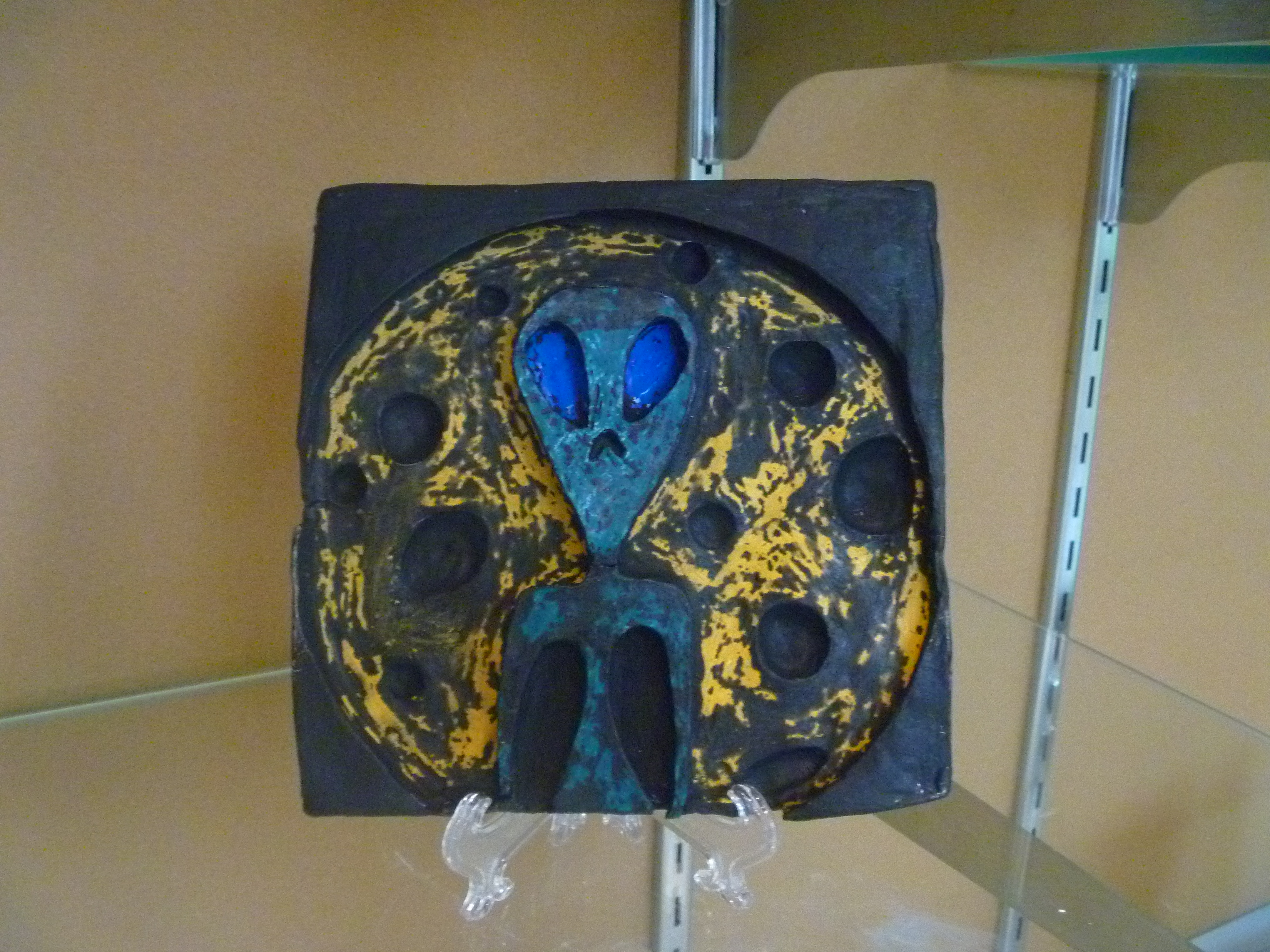
Beginning ceramic students learned all about rolling out slabs when making their clay boxes.  So, I thought I would use the slab to let them experiment carving.  They all rolled out and cut 6″X6″ tiles.  From there they were given the “rules”.  They needed to have a minimum of 4 levels.  How that was achieved was up to them.  They were shown this Pinterest board for some examples.  They had to have a frame…again, they decided what constituted a frame.  And, one element had to break said frame.

And go.  As usual, I have a few kids that can just jump in and go for it…and get great results.  Others carefully planned and revised their designs.  I had one student wind up at our alternative center and had to work on her tile without help from me or others…she did a fabulous job.

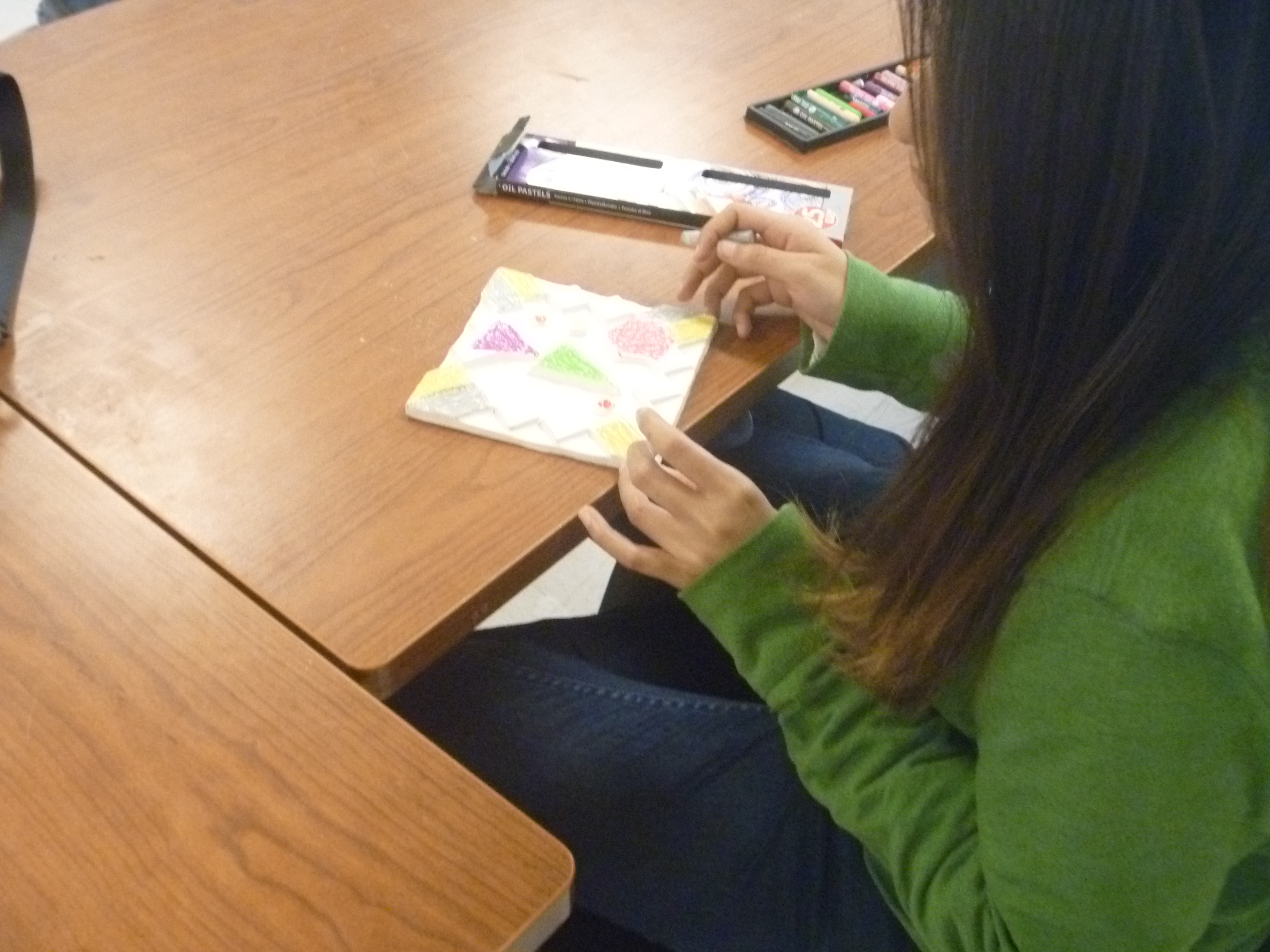
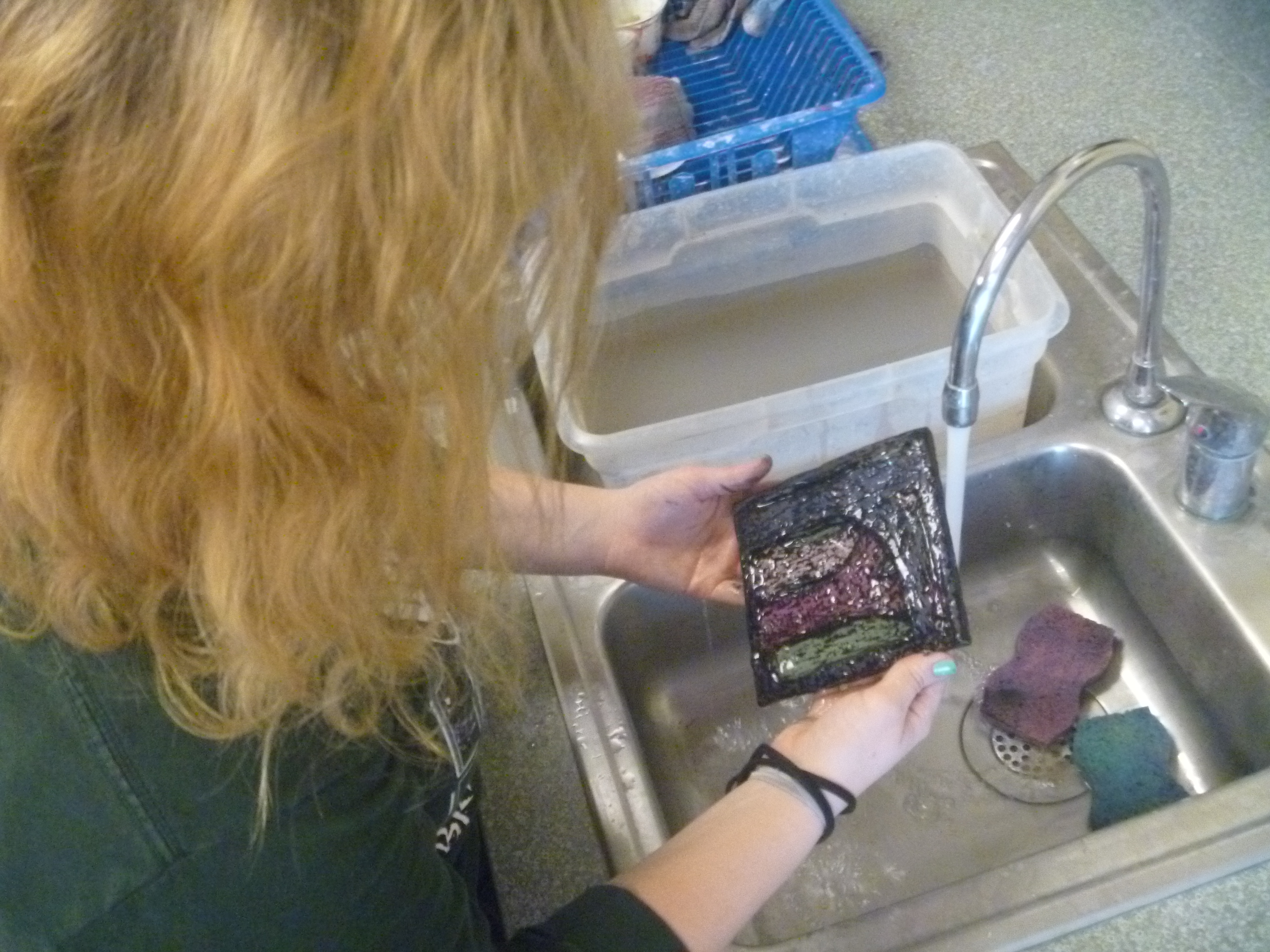
Once they were finished, I had decided this was a great project to show them a non-glaze surface technique.  I had seen pieces done on my Facebook Art Teachers group and thought the oil pastel tempera resist would be perfect for them.  First they color the tiles with oil pastels.  I tell them to color darkly, but not to color fully.  Where ever there were holidays, the tempera would soak into the ceramic. Next they covered the entire piece with tempera.  On my example I had watered it down.  I didn’t have them do that, and they turned out just fine.  After that they held the tiles under a running stream from the faucet.  I reminded them just to let the water wash over it and not to scrub.  The water would rinse away all the tempera where they had colored with the oil pastels.  Many were nervous and seemed as if they didn’t believe me.  I love their faces when they finally saw the amazing result.  As a last step, I had them spray with a spray gloss to seal the piece.

They were super happy with their tiles.  I don’t think they ever would have though to do anything like this.  A few of them are in painting and drawing with the other art teacher and the connected what we did with the resist to a similar project they did on paper with tempera and ink.  Love when they can do that.

P1040693 P1040873 P1040875 P1040919 P1040927 P1040928 P1050268 P1040930 P1040933 P1040941 P1040942 P1040944 P1050055 P1050199 P1050200 P1050202

Ceramic Slab Boxes

Standard

Our first big unit in beginning ceramics class was to build a slab box that had texture, a lid, a handle, and a few added embellishments.  A fellow ceramics teacher, Jen,  was kind enough to share her lesson.  I tried it out for the first time last year.  I thought the kids did well, so I did it again this year.  I think it is a good intro to the hand-building technique of the slab.  Also, it brought in texture, a favorite aspect of mine, by use of texture rollers, adding a usable handle, and adding embellishments.

The students learned a lot about slabs.  The state of leatherhard is one they all know now.  Some really did understand the state, while other just never got there and didn’t heed advice to cover the slabs they weren’t working on at the moment, thus letting things dry out too much to use.  A couple kids did find out that you can mist way too much.

But, I did hear good conversation about using the stilts (in our case made of paint stirrers) to help keep slabs even, how much pressure to use when using texture rollers, and reminders to put in reinforcing coils.

I am pleased with the results of the boxes, even though more than one handle was either not scored/slipped right or was too fragile and broke off–unfortunately, usually by me.

P1040581 P1040587 P1040586 P1040585 P1040583 P1040582

For the surface treatment, I wanted them to learn a technique that would enhance the texture created by the texture rollers.  I asked them to choose 2 glaze colors–a dark and a light.  They learned how to pour in a glaze and roll it around to cover the interior of the box.  They did this with the dark.  After that, they used the dark to brush into the texture.  Once dry, they washed off the excess leaving the color in the recesses (and as a slight stain on the flat surfaces.)  Then they brushed on the lighter color to the outside of the box, going over everything–including the dark in the texture.  The theory is that the dark will show through the light, creating an interesting surface with a bit of depth.

Not everyone followed instructions, and that is okay.  But, the ones that did created some wonderful looking boxes.

P1050129 P1050243 P1050242 P1050150 P1050149 P1050146 P1050144 P1050139 P1050137 P1050136 P1050134 P1050133 P1050132